







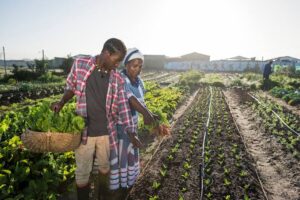

When many companies look at Africa, they see the risks first — political instability, currency fluctuations, security concerns and unfamiliar markets. Japan is no exception. But focusing too heavily on those risks can make it easy to miss what is happening on the other side: African markets are growing, consumers are changing, and new businesses are emerging across the continent.
Yes. Africa is changing. It is already producing measurable economic results. Last year, the African Development Bank reported that Africa hosts 12 of the world’s 20 fastest-growing economies, with 21 African countries expected to grow by more than 5%. The Financial Times reports that Airtel Money, Africa’s rapidly expanding mobile-finance business, is preparing for a London listing at a valuation of around $10 billion, with more than 54 million customers and $1.35 billion in 2026 revenue. At the same time, mobile money has become a major financial infrastructure, with $2 trillion in transactions globally in 2025. Much of the innovation is centered in Africa. Africa is also building one of the world’s largest new workforces: the World Economic Forum estimates that more than 60% of Africans are under 25, and by 2035, more young Africans will enter the workforce each year than in the rest of the world combined.
For Japanese businesses in particular, this explosive market creates a difficult contradiction. While Africa’s economies are expanding rapidly, Japanese companies often remain cautious about entering the market. They are typically careful to weigh the risks from every angle: currency fluctuations, government policy and credit risks. This can delay decision-making or deter them from entering the African market completely.
Meet Yuriko Nomura, an African Market Expert from Japan
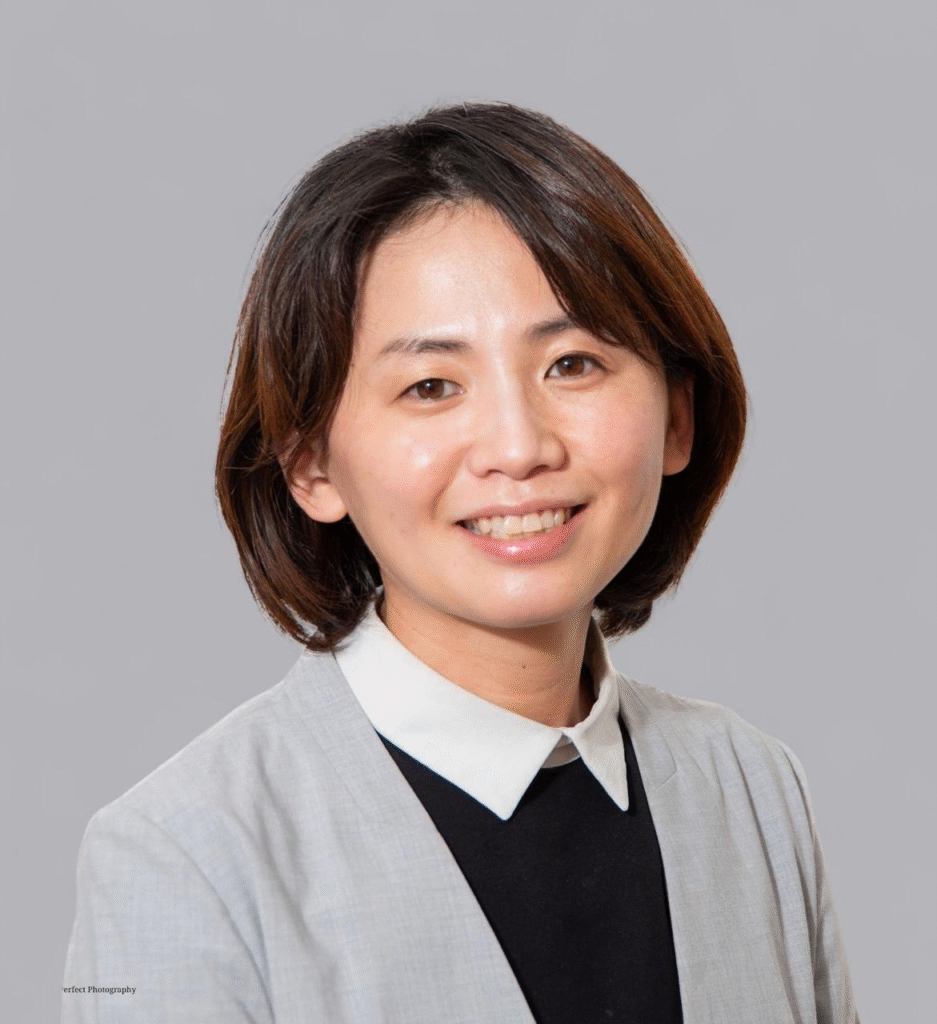
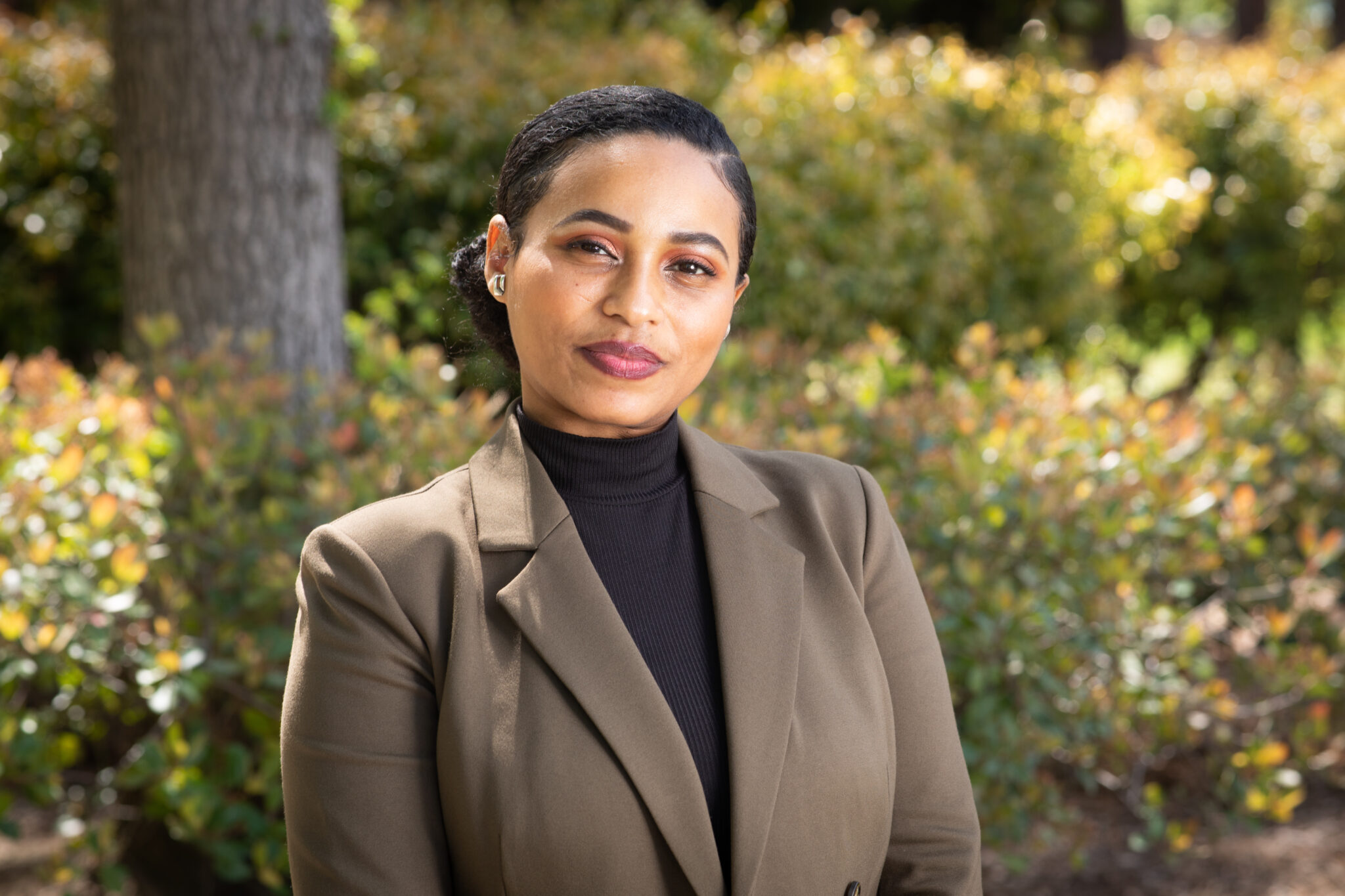
Yuriko Nomura, Partner and CEO of AIS Consulting (Africa Insight and Strategy Consulting) and a business consultant based in South Africa, believes Japan needs to change the way it looks at Africa. With experience advising companies on African markets and investment, her mission is to step away from the narrative that Africa is the world’s “next frontier.” Instead, she is calling Africa an “indispensable market,” one that Japanese companies can no longer afford to overlook. She believes Japanese companies can no longer afford to overlook Africa as these markets develop. Nomura says that “Africa will become an indispensable market for the world,” and she wants Japan to take that seriously.”
Photo: Yuriko Nomura
At 23, Nomura left Japan for one of Tanzania’s most remote villages as a Japan Overseas Cooperation Volunteer (JOCV) with the Japan International Cooperation Agency (JICA), the Japanese government agency that coordinates Official Development Assistance (ODA) to support the economic and social development of developing countries. There, she spent two years teaching mathematics and physics at a secondary school. There was no running water or electricity, and her students helped carry water from a well about 150 meters from her home. Yet despite the lack of material comforts, she was struck by the happiness and resilience of the people around her. What began as an effort to help others gradually changed her understanding of development. “I began to realize that I was the one being taught. I came to understand the importance of thinking from the other person’s perspective,” she recalls.
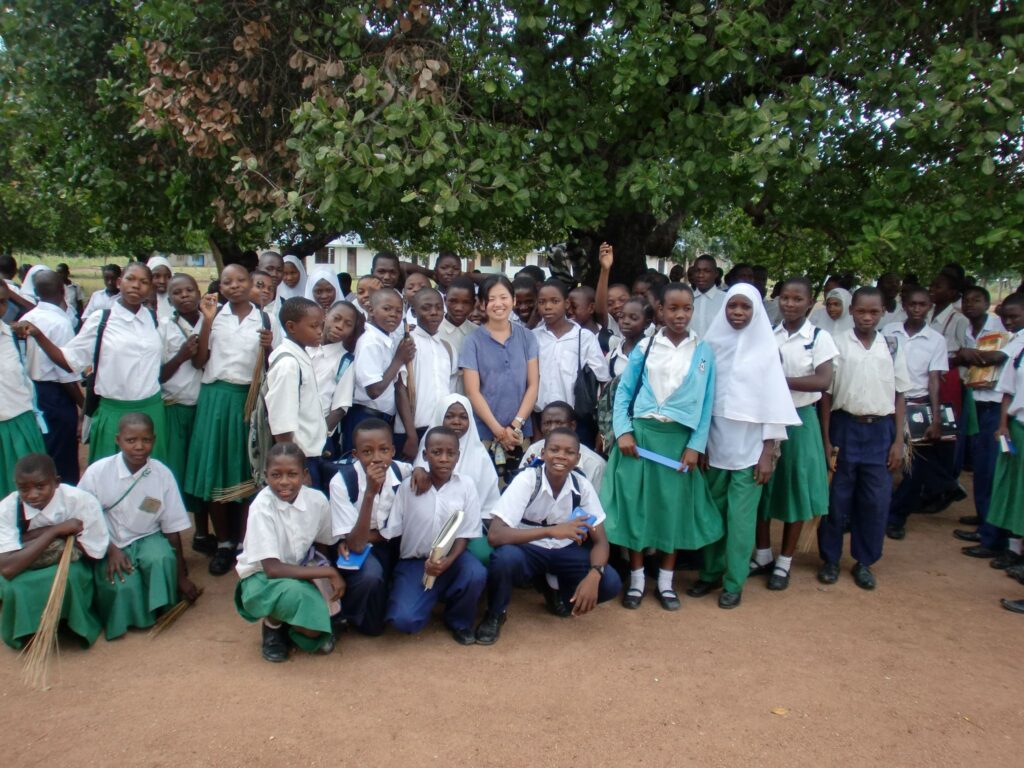
Tanzania JOCV period: Photo with students
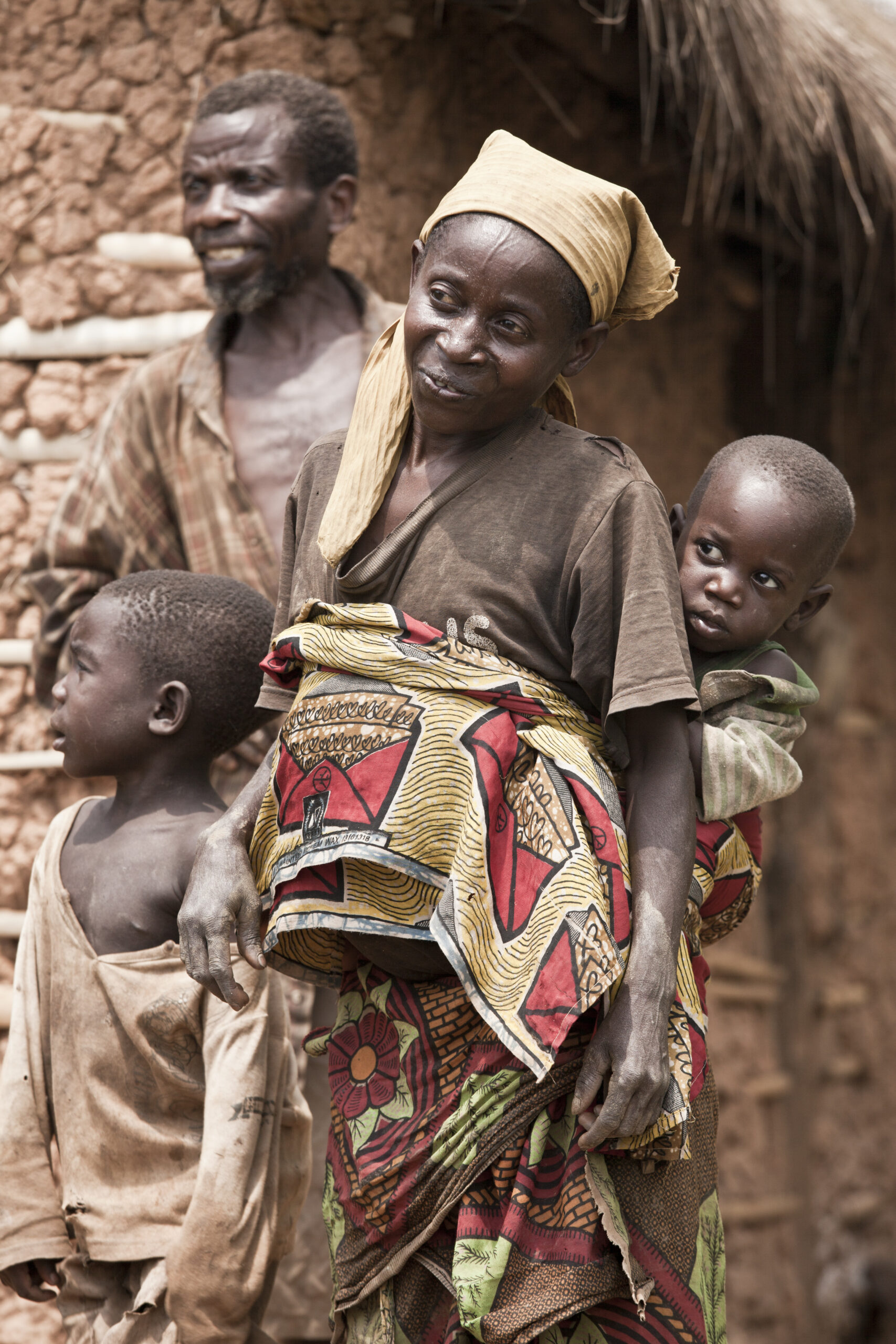
In Tanzania, Nomura saw firsthand how well-intentioned aid could fail when it was designed from a distance: her school received new English-language textbooks from the United States and Europe, but because her students could not read English, the books largely went unused. The experience showed her the gap between what looks right on paper and what works in reality, and led her to believe that mutually beneficial business—creating investment, employment and economic opportunity—could have a more sustainable impact than one-way assistance. That belief eventually shaped her career. Nomura also believes Japan has lost some of the “hunger” that once drove its companies overseas, while other countries are moving more aggressively into Africa.
Africa Is Not India. Africa Is Not Southeast Asia. Africa is Not One Country.
For Nomura, one of the biggest mistakes foreign companies can make is assuming that a strategy that worked in India or Southeast Asia will work in Africa. Africa is not one market. Each country has its own culture, customs and business environment. Even a strong product may fail if companies do not invest the time to understand the market, educate consumers and build the right marketing strategy. Success in Africa requires patience, local knowledge and the willingness to adapt rather than assuming that a good product will sell itself.
That difference becomes clear when looking across the continent. Nomura points to opportunities across very different regions: Egypt, Morocco and Algeria in North Africa; Ghana, Côte d’Ivoire and Nigeria in West Africa; Ethiopia, Tanzania and Uganda in East Africa; and the Democratic Republic of Congo, Zambia and Angola farther south. “The opportunity depends heavily on the industry and the country rather than on treating Africa as a single market.”
Africa Needs More Business, Not Just More Aid
The experience also changed how Nomura thought about the role of foreign assistance. She believes aid can be valuable, but long-term development requires more than one-way support. Investment can create businesses, employment, incomes and government revenue, allowing economies to grow from within. For Nomura, that makes mutually beneficial business a more sustainable relationship than simply providing assistance. The goal is not for foreign companies to come to Africa simply to sell or extract, but to build businesses that create value on both sides.
Japan’s Attention Is Still Focused Elsewhere
Nomura believes Japanese interest in Africa remains limited. While the idea of the “Global South” has gained attention in Japan, she says that interest has largely centered on markets such as India and South Asia. Her goal is to push that attention further, toward Africa, where she believes Japanese companies are still not moving quickly enough.
The Small Farmer May Be Africa’s Biggest Investment Opportunity
For Nomura, the strongest opportunities are not limited to major cities or large corporations: one of Africa’s greatest investment opportunities may be its smallholder farmers. In Sub-Saharan Africa, small-scale farmers vastly outnumber large-scale producers, making their productivity critical to both African and global food security. Investment that helps farmers produce more can reduce dependence on imports, create jobs and raise incomes, expanding the middle class and, in turn, strengthening government revenues that can be invested in food security. Investment creates productivity, while productivity creates employment and income. Stronger economies create greater food security.
Nomura sees African agriculture serving two markets at once: “Feed Africa” by increasing production of staples such as rice and wheat and reducing dependence on imports, and “Feed the world” by expanding exports of fruit, avocados and fresh vegetables to Europe, the Middle East and India. She also sees major potential in food processing, particularly in countries such as Ghana and Nigeria, where agricultural production can be connected to manufacturing and wider economic growth.
Responsible Investment Must be Fair
The opportunity, however, depends on how investment is carried out. Investment in Africa, Nomura argues, cannot simply be about finding opportunities and extracting returns. Responsible investment must be fair and two-way: investors need to listen to local partners, spend time in the communities where they operate and build genuine relationships rather than imposing their own expectations. Given Africa’s history of slavery and economic exploitation, earning that trust requires more than good intentions.
She gives advice to companies entering Africa. “Do not enter alone. Build strong local networks, find trustworthy stakeholders, learn the market firsthand and think in the medium to long term rather than judging success day by day. Companies need people on the ground who understand the market, culture and relationships—and they need to spend enough time there to determine who can be trusted.” As Nomura puts it, “it is better to think in the medium to long term and not judge success day by day.”
Nomura sees Africa’s future growth extending far beyond natural resources, with opportunities across agriculture, food processing, manufacturing, pharmaceuticals, housing, mobility and resources. For Japanese companies, the risks are real, but so is the cost of waiting. Her own experience, from a young JICA volunteer in a remote Tanzanian village, to a business adviser helping companies navigate African markets has convinced her that Africa should not be approached simply as a place where outsiders can provide help. It is a place where they can learn, invest, build and grow together.
And perhaps her most powerful lesson comes from the village in Tanzania, where her interest in the continent began: “Tomorrow will be a better day than today.”
Africa is building that tomorrow now. Japan should be part of it.
To learn more about AIS Consulting and its work connecting businesses with opportunities across African markets, visit the links below.
Website: https://africa-ais.com/
YouTube: https://www.youtube.com/@AfricaAIS
note: https://note.com/ais_consulting
LinkedIn: https://www.linkedin.com/company/ais-consulting-africa-insight-and-strategy-consulting/