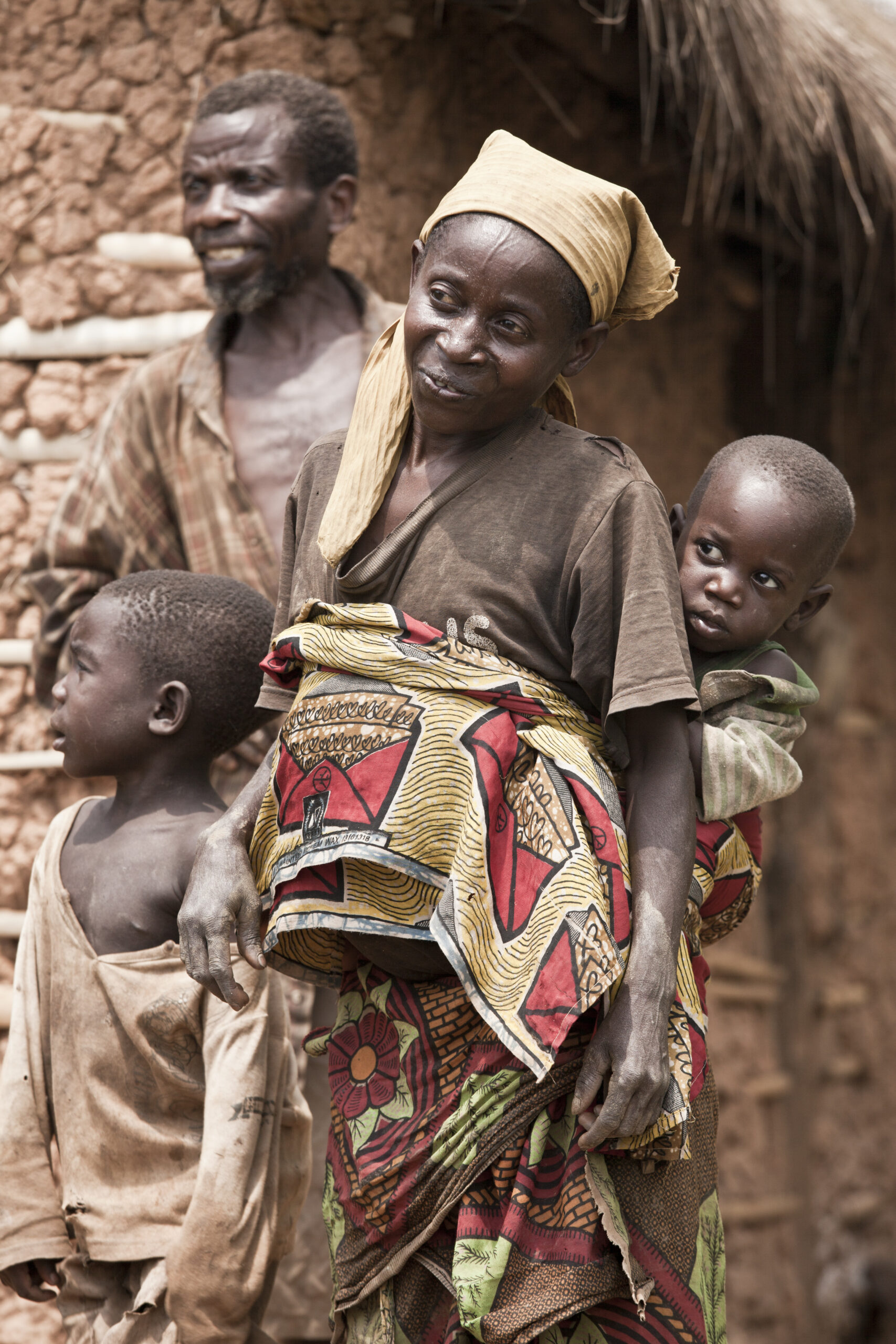







307 million Africans are undernourished while leaders push new laws, trade reforms, and climate funds. Will progress reach the table?
Africa is living through changes that cut across food, finance, health, and freedom. The continent carries the greatest burden of hunger in the world, yet it is also moving into bold experiments in technology, trade, and climate action. The question is whether these shifts will ease the weight on ordinary people or add new layers of struggle.
In Senegal, a major outbreak of Rift Valley Fever has already claimed 17 lives and sickened more than 100 people. The disease, carried by livestock and mosquitoes, threatens food security as well as health. When cattle die, families lose milk, meat, and income. When children fall ill, classrooms empty. This outbreak is a warning of how climate and disease combine to strike at both farmers and consumers.
Photo attribution: US Department of Health, public domain

At the same time, the region is pushing forward with financial innovation. Kenya has passed a landmark law regulating digital assets, placing crypto exchanges under the eye of the Central Bank. Supporters say it will draw investment and give the country a new edge. Critics warn of risks to small investors already battling high food prices.
COMESA, the trade bloc linking 21 countries, has launched a cross-border payment system that allows traders to buy and sell in their own currencies. For decades, dependence on the U.S. dollar has driven up costs and slowed trade. If the new system works, it could open smoother food markets and make essentials cheaper to move across borders.

Meanwhile, African leaders are calling for a new climate solutions fund of 50 billion dollars a year. They argue that the continent, hit hardest by drought, flood, and storm, cannot keep waiting for outside rescue. Investment in climate resilience means investment in food, in health, in the chance for communities to withstand shocks rather than collapse into crisis.
Yet even as these ambitious steps are taken, freedom remains fragile. Internet shutdowns have reached record highs across Africa. In 2024, more than 20 countries cut access during elections or protests. Each blackout silences farmers, traders, teachers, and families, cutting them off from markets, from education, and from their own voices.
Africa stands at a crossroads. This is not only about hunger or disease, not only about finance or climate. It is about whether governments can bring these strands together for the good of their citizens. If policies fail, hunger deepens. If they succeed, millions of children may find food at school, medicine at the clinic, and connection to the wider world.
The world must not look away. Hunger, health, and human rights are bound together. Africa is showing both the danger and the possibility of this truth.
Sources
- Reuters. “Kenya parliament passes crypto asset law to boost investments.” October 13, 2025.
https://www.reuters.com/business/media-telecom/kenya-parliament-passes-crypto-asset-law-boost-investments-2025-10-13/ - Reuters. “African trade bloc COMESA launches digital payments system.” October 9, 2025.
https://www.reuters.com/world/africa/african-trade-bloc-comesa-launches-digital-payments-system-2025-10-09/ - Associated Press (AP). “Senegal records 17 deaths in rare major outbreak of Rift Valley Fever.” October 2025.
https://apnews.com/article/d749c04910cb6bc5d8ed69b85e70f7c9 - Reuters. “Africa looks to raise $50 bln a year for new climate solutions initiative.” September 10, 2025.
https://www.reuters.com/sustainability/cop/africa-looks-raise-50-bln-year-new-climate-solutions-initiative-2025-09-10/ - The Guardian. “Internet shutdowns at record high in Africa as access ‘weaponised’.” March 9, 2025.
https://www.theguardian.com/technology/2025/mar/09/internet-shutdowns-record-high-africa-2024-access-weaponised