






A group of African Union leaders, meeting at the Africa Climate Summit in Nairobi in September 2025, have launched a new initiative to raise 50 billion dollars each year for climate solutions.
In their communiqué, they declared: “Africa must take charge of its climate future with solutions that are both ambitious and fair.” It is a historic pledge. But a question stands in the middle of it: will the money reach the farmers and families who struggle with hunger, or will it stay in large-scale projects that do not feed people?
The African Development Bank estimates the continent loses up to 15% of its GDP each year because of climate change impacts on agriculture.
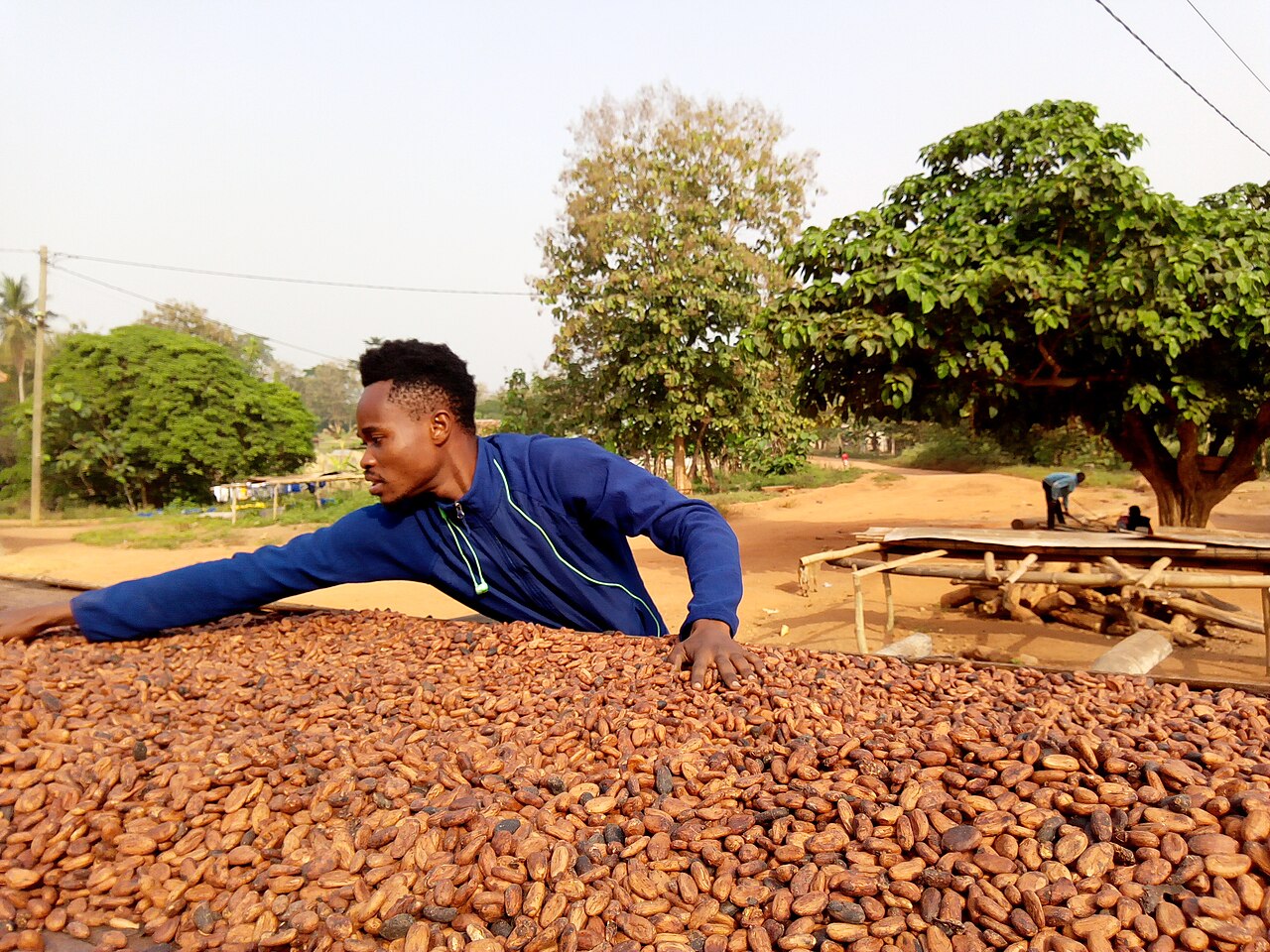
Smallholders produce about 80% of Africa’s food, yet they receive less than 2% of global climate finance. In the same year, more than 280 million Africans faced food insecurity, according to FAO and WFP data.

Photo attribution: Trees For The Future (TFTF), CC BY 2.0 https://creativecommons.org/licenses/by/2.0
Most climate pledges are directed to renewable energy grids, carbon credits, and infrastructure.
These matter for the long term. But when food prices rise after a drought, families cannot wait for a wind farm to be built.
What they need is seed support, storage, and irrigation systems that protect them from failed rains.
In 2022, global funding for nutrition-specific programs in Africa was under 5 billion dollars, compared to the new pledge of 50 billion for climate.
The gap shows how food security remains underfunded even as hunger numbers rise.
Some leaders argue that large infrastructure creates jobs and can trickle down to households.
Others point out that without food stability, jobs mean little if markets have no grain or prices soar.
The balance between big projects and community food security remains unresolved.
In Rwanda, part of its climate finance has been directed to terraced farming and irrigation, boosting yields and reducing soil erosion.
Yields rose by more than 50% in some districts. This shows that climate money can be used in ways that strengthen food security directly.

Africa’s 50 billion dollar climate plan is bold. But hunger is already here, and farmers cannot wait.
The real question is whether food will be at the center of this new fund, or left outside the room.
What remains is the will to act. Governments and donors must put food first in climate finance.
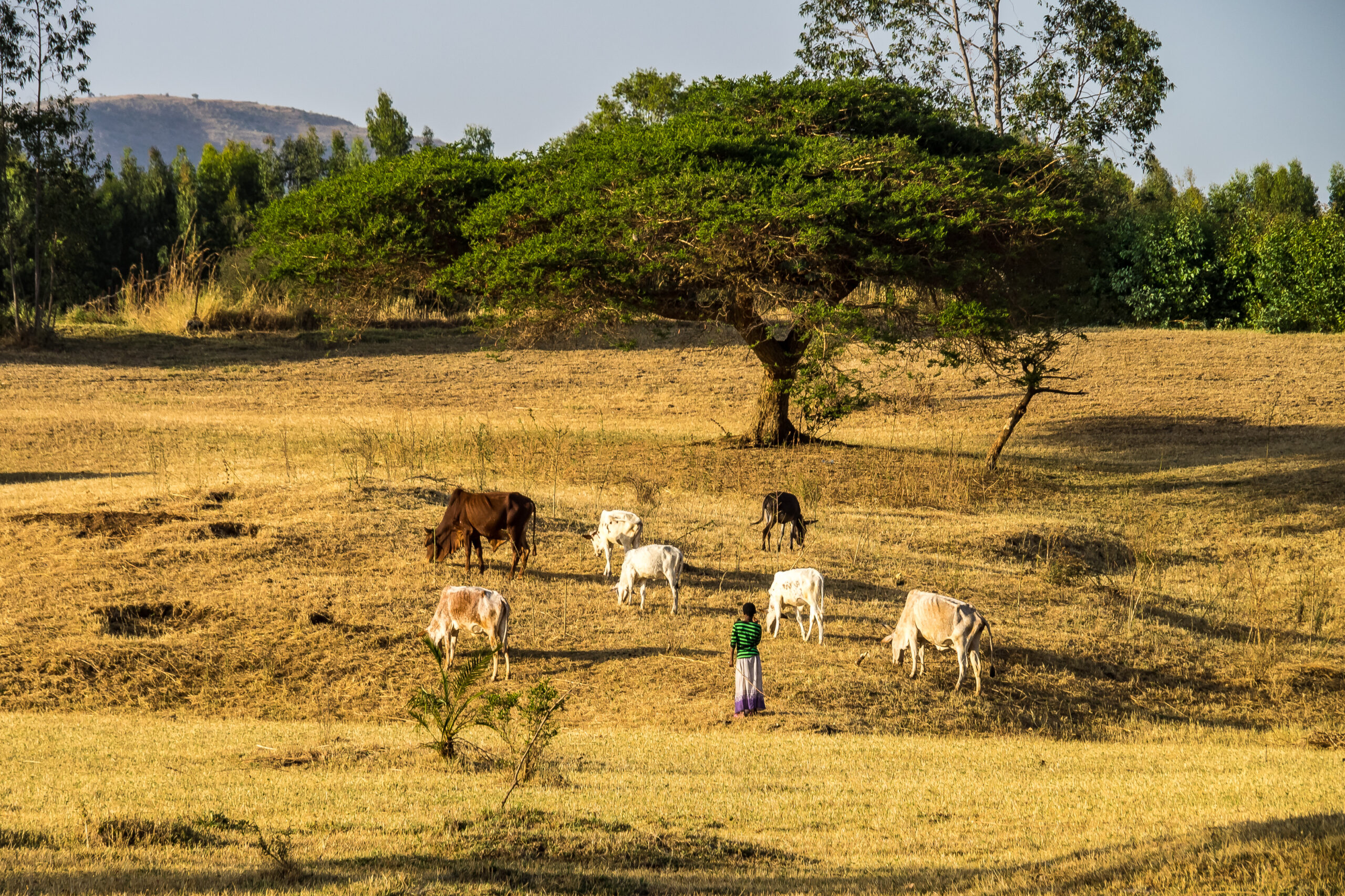
Photo attribution: GUEVARAsamaki, CC BY-SA 4.0 https://creativecommons.org/licenses/by-sa/4.0, via Wikimedia Commons
Sources
Reuters – Africa climate funding initiative: https://www.reuters.com/sustainability/cop/africa-looks-raise-50-bln-year-new-climate-solutions-initiative-2025-09-10
African Development Bank – Climate impact on GDP: https://www.afdb.org/en/topics-and-sectors/sectors/climate-change
FAO – Smallholder farmers and climate finance: https://www.fao.org/climate-change/resources/detail/en/c/1442841/
World Bank – Agriculture and resilience data: https://www.worldbank.org/en/topic/agriculture/overview
Case example Rwanda terraces – FAO: https://www.fao.org/climate-change/programmes-and-projects/detail/en/c/1456733/
Africa Climate Summit 2025 – Official Communiqué: https://africaclimatesummit.org/communique
FAO/WFP – Food insecurity numbers 2024: https://www.fao.org/3/cb9997en/cb9997en.pdf
Food for Africa News is an independent voice on hunger and agriculture in Africa.