




It is logical to assume that countries with valuable natural resources should be wealthy. If a nation has oil, gold, diamonds, or other valuable minerals, it seems natural that prosperity should follow.
Yet in several parts of Africa, the opposite has happened.
Economists call this the “resource curse.” This term is for a situation where countries rich in natural resources remain trapped in poverty, conflict, and food insecurity.
Two clear examples are both countries in Africa which are in the top three poorest counties in the world: South Sudan and Central African Republic.
South Sudan holds large oil reserves beneath its soil. Oil exports provide about 90 percent of government revenue. Yet despite this wealth, it is ranked as the poorest country in the world with a national GDP between $251 and $455. Farmers struggle to plant or harvest crops because of violence, displacement, and extreme weather. Inflation has driven food prices beyond the reach of many households.
While oil leaves the country, hunger remains.
Central African Republic shares a similar narrative.
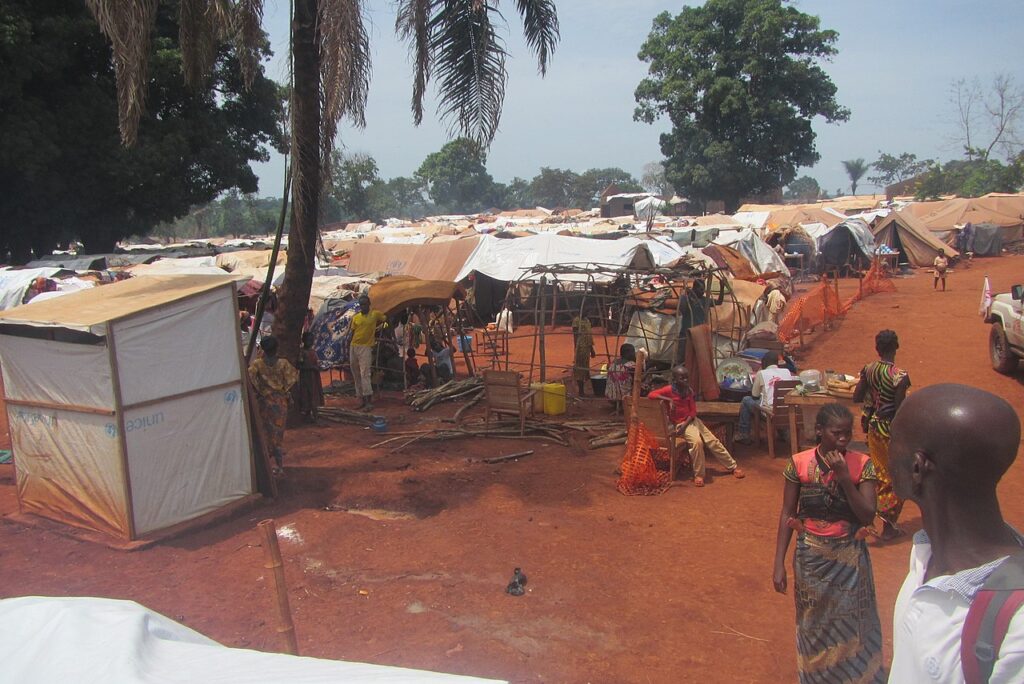
Photo: Refugees camp in PK3, Bria, Central African Republic. Freeman Sipila (VOA), Public domain, via Wikimedia Commons
On paper, this country appears abundant with gold, diamonds, uranium, timber, and potential oil reserves. In reality, much of the population lives in poverty. Decades of instability and conflict have prevented many communities from benefiting from the nation’s natural wealth. Large areas remain outside full government control, making it difficult to build roads, schools, markets, and agricultural systems that could help farmers increase food production.
When wealth from natural resources is concentrated among a small group of people, communities often see little improvement in their daily lives. Investments in agriculture, roads, irrigation systems, food storage facilities, and rural education are often delayed or overlooked. Without these investments, countries remain dependent on imports and vulnerable to food shortages.
Many international organizations are working to address these problems.
The World Bank supports projects aimed at improving agriculture, infrastructure, and economic development. The United Nations World Food Programme delivers food assistance during emergencies and helps communities strengthen local food systems. The Food and Agriculture Organization works with farmers to improve crop production and resilience.
However, critics argue that too much attention is often placed on emergency aid and not enough on building long-term agricultural independence. Food shipments can save lives during a crisis, but they do not replace irrigation systems, rural roads, farm equipment, agricultural education, or local food processing industries.
Private investment has also entered the conversation.
Business leaders such as Elon Musk have focused much of their attention on technology, energy, communications, and transportation. Projects such as satellite internet have improved connectivity in some remote regions around the world. Yet large-scale private investment aimed directly at transforming food production in countries affected by the resource curse remains limited.
Agricultural experts often point to a simple reality: no country has ever achieved lasting food security without investing in agriculture.
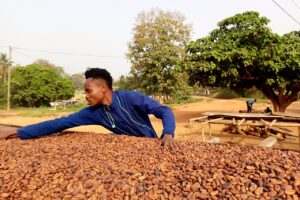
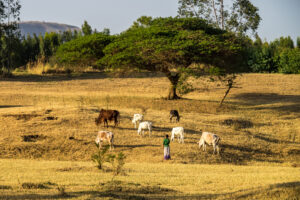
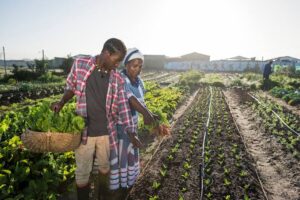
Africa holds nearly 60 percent of the world’s uncultivated arable land. Many countries possess fertile soils, abundant sunlight, and the world’s youngest workforce are eager for opportunity. The potential exists to feed local populations and supply growing regional markets.
The challenge is ensuring that wealth generated from natural resources reaches the people who need it most.
Until more investment is directed toward agriculture, rural infrastructure, clean water, and local food production, countries rich in resources may continue to face the difficult reality of empty cupboards beside valuable mines.
The resource curse remains a daily challenge for millions that cannot be ignored.
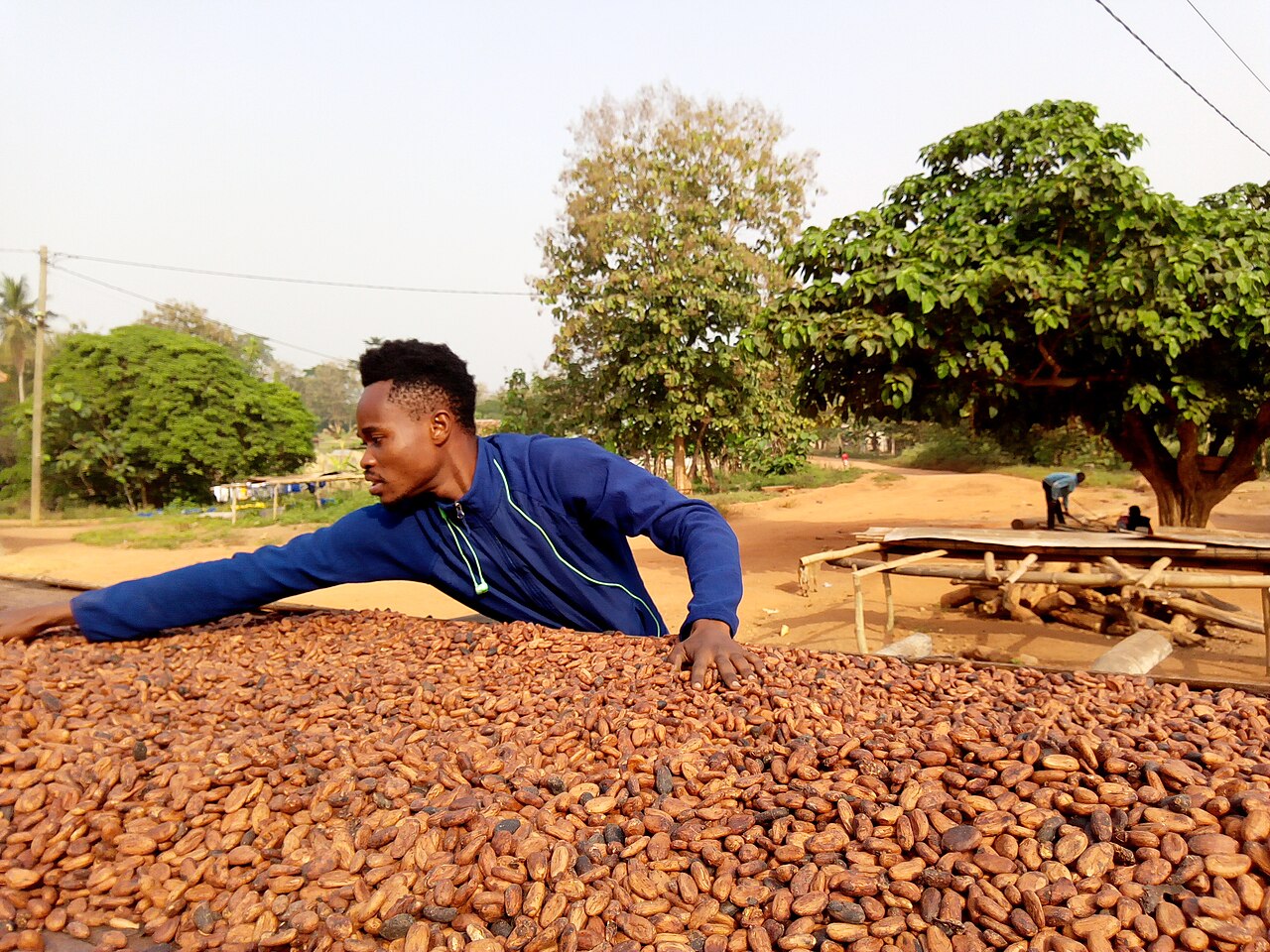
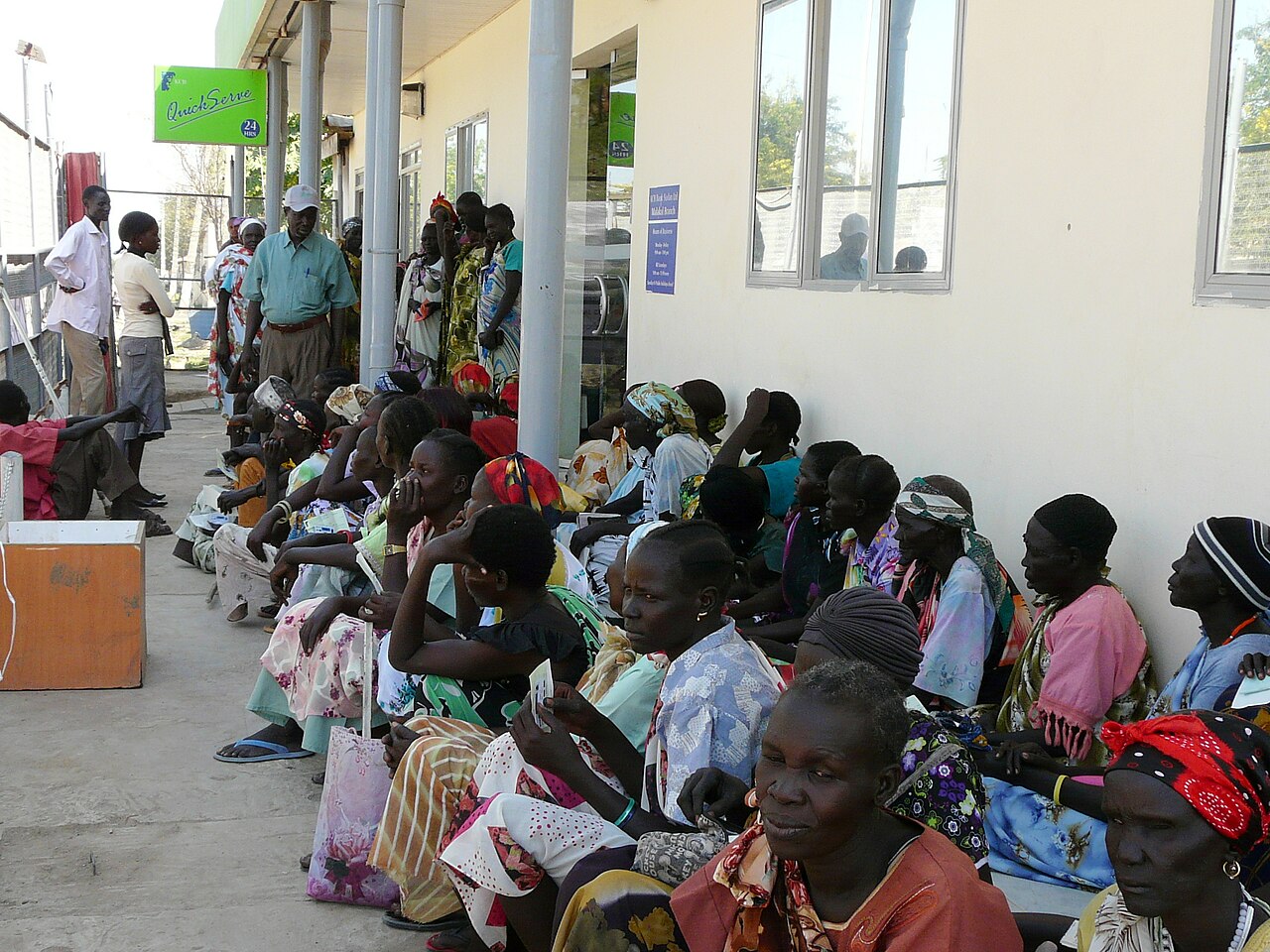
Featured photo: Oxfam East Africa, CC BY 2.0 https://creativecommons.org/licenses/by/2.0