









A New Idea That Could Change How Courts Work
It’s an age old story that goes something like this: Small guy goes up against big guy in a lawsuit. It’s complicated. Big guy represents a mining company that has invested millions to build a new mine next to a village where the small guy and his community have lived for generations. His village worries that mining could pollute their water and damage their crops. However, the big guy insists that not only are they following the way, but that this is an opportunity to create jobs.
This is an example of a complex case that enters the court system daily. It is a case which requires specialized knowledge to make a fair decision.
In 2026, Ghana’s Parliament passed the Public Tribunals Bill, introducing a new way to handle certain types of cases. With this bill, instead of sending every dispute to a regular court, some cases could be heard by specialized tribunals who are more suited to make a determination.
But, what exactly Is a Tribunal? Think of a hospital. If you are pregnant, you don’t visit a general practitioner. You see an OBGYN. When you break your bone, you see an orthopedic specialist.
A tribunal works in a similar way.
Instead of asking one judge to know everything about every kind of case, a tribunal focuses on a particular area and is designed to deal with complicated issues that require specialized knowledge.
Why Is Ghana Trying This?
Ghana’s court system is under pressure with heavy workloads which can lead to certain cases taking years to resolve. certain cases take years to resolve. Once and expert testimony before a decision is reached. Ghana hopes that specialized tribunals can help resolve certain cases more efficiently while maintaining fairness.
In the case of the big guy-small guy mining dispute, it is necessary to have the understanding in such areas including environmental science, mining laws, business contracts, traditional land ownership or more. Supporters if the the Public Tribunals Bill believe that judges or decision-makers who regularly work within these these subjects may be better prepared to work with complicated evidence.
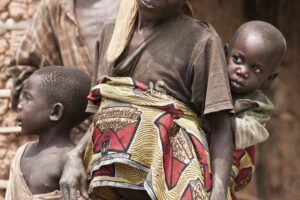
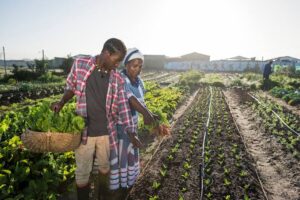
Across Ghana, disputes involving farmland, water, mining, environmental damage, commercial agriculture, food contracts, and land ownership can directly affect the ability of families to earn an income and grow food. When such cases remain unresolved for years, communities may all face uncertainty that can slow investment and economic growth.
How Could This Help Ghana?
Those who are in favor of the bill believe tribunals could:
• Resolve certain cases more quickly.
• Reduce the workload of regular courts.
• Allow complex cases to be handled by people with specialized knowledge.
• Bring justice closer to communities through regional tribunals.
• Improve confidence that difficult technical cases are fully understood.
If successful, Ghana could become an example for other countries looking for new ways to improve their justice systems.
But There Are Also Concerns
Not everyone agrees that tribunals are the perfect solution.
Some legal experts and citizens worry that special courts could become unfair if they are not completely independent.
People ask important questions such as:
• Who chooses the tribunal members?
• Can political leaders influence decisions?
• Will everyone receive a fair hearing?
• Can people appeal a tribunal’s decision?
History has shown that special courts can work well when they are independent, but they can lose public trust if people believe politics influences their decisions. Because of this, many experts say that independence, transparency, and fairness are just as important as speed.
The Big Lesson
A faster court is not automatically a better court.
The best justice system should be fast enough so that people do not wait for years but not so fast that that everyone cannot receive an equal opportunity to present their case. It should also be independent enough that no person or political group can control the outcome.
Ghana’s new tribunal system is an ambitious idea. If it succeeds, it could become a model that other countries study.
Only time will tell whether Ghana has found a better path toward justice.
⸻
Did You Know?
A tribunal is a special court or decision-making body created to hear certain kinds of cases that may require specialized knowledge or experience.
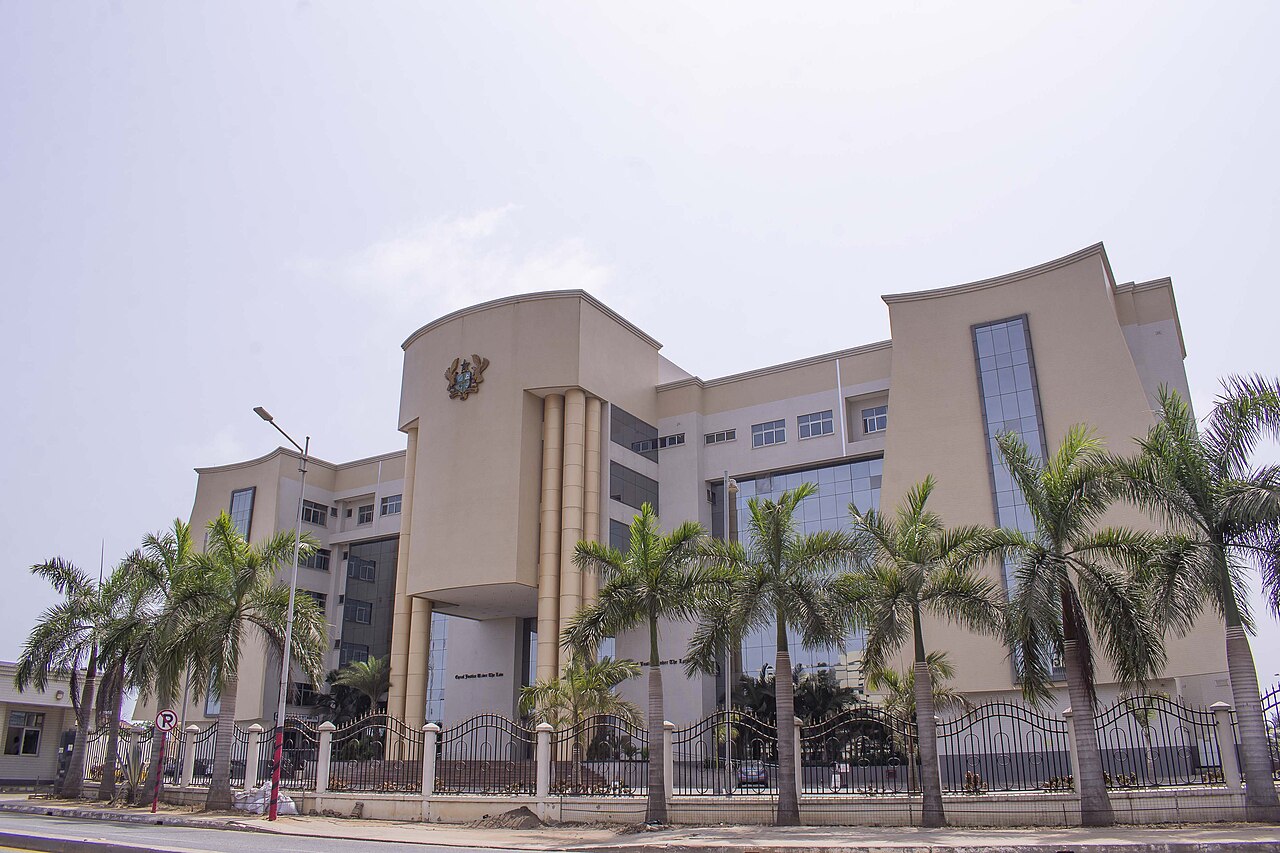
Featured photo attribution: Amuzujoe, CC BY-SA 4.0 https://creativecommons.org/licenses/by-sa/4.0, via Wikimedia Commons