








From Sudan to Ethiopia, internet blackouts don’t just stop conversation. They stop trade, payments, and food.
Across Africa, the web has become a basic tool. Prices, weather updates, and payments now move through phones. When the connection breaks, so does the supply chain that feeds people.
In the past year, more than twenty-five shutdowns were recorded across the continent. Most were ordered during elections or protests. Officials said they wanted peace. What followed was a standstill.
In Sudan, farmers use mobile money to buy seed and fertilizer. During the unrest, networks went down. Traders could not confirm receipts. Trucks were parked until payments cleared. A cotton buyer near Wad Madani said he lost a third of his season waiting for the lines to return.
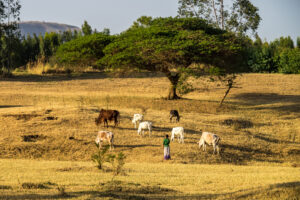
In Ethiopia’s Tigray region, the blackout reached the fields. No weather alerts, no crop insurance, no digital transfers. Buyers stopped collecting grain because they could not verify payments. Farmers spoke of markets that vanished overnight.
Aid workers felt it too. Relief teams depend on satellite maps and digital updates to move food. When the web goes dark, convoys drive blind. The United Nations says each week of blackout can delay deliveries by days. For families already short of food, that is time they do not have.
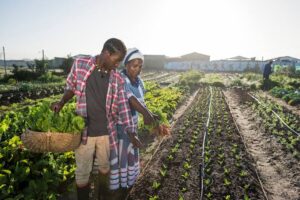
Even in stable countries, silence costs money. In Ghana and Kenya, farmers trade through digital cooperatives that post daily prices. One missed update can ruin a sale. “If I can’t see the market price in Mombasa, I sell cheap here,” a tomato grower said. “I lose twice, money and trust.”
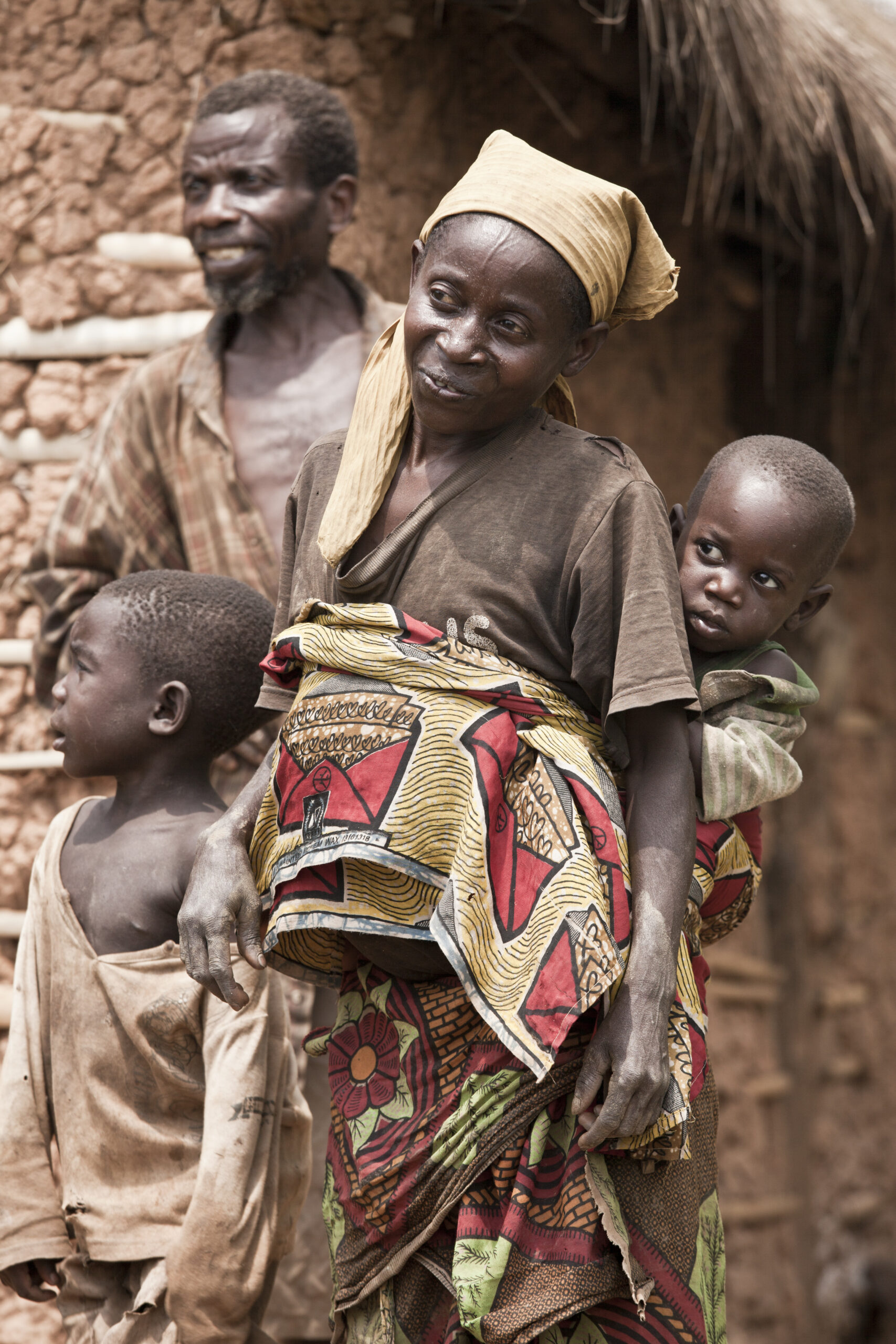
Governments defend shutdowns as security measures. Yet every disconnection cuts into the lives of ordinary people. It freezes income, halts deliveries, and closes access to food. The world calls it censorship. In the villages, it is hunger.
After a decade of building mobile banking, weather apps, and online markets to lift smallholders from poverty, every flipped switch sets progress back. A farmer with no signal is once again a farmer with no market.
It is one of the new faces of hunger. Not drought. Not war. Just silence.
Sources
- Access Now – #KeepItOn 2024 Report: Internet Shutdowns in Africa (March 2025) https://www.accessnow.org/keepiton-report-2024
- International Telecommunication Union (ITU) – Measuring Digital Development: Facts and Figures 2024https://www.itu.int/en/ITU-D/Statistics/Pages/facts/default.aspx
- World Bank – Digital Agriculture Profile: Kenya, 2024https://documents.worldbank.org/en/publication/documents-reports/documentdetail/710671635465973325/digital-agriculture-profile-kenya
- United Nations Office for the Coordination of Humanitarian Affairs (OCHA) – Horn of Africa Situation Update, 2024 https://reliefweb.int/report/ethiopia/horn-africa-situation-report
- GSMA & FAO – The Digital Agriculture Revolution in Sub-Saharan Africa (2024) https://www.gsma.com/mobilefordevelopment/resources/the-digital-agriculture-revolution-in-sub-saharan-africa/
Editorial Verification:
This report was prepared from verified institutional sources and regional interviews by Food for Africa News editors. All facts were cross-checked against official data from the FAO, ITU, Access Now, and the United Nations Office for the Coordination of Humanitarian Affairs.