







Africa is lighting up at night in ways it never did before. Solar farms stand in the desert, new dams rise across rivers, and power lines reach further each year. The International Energy Agency estimates more than 110 billion dollars was invested in African energy in 2024.
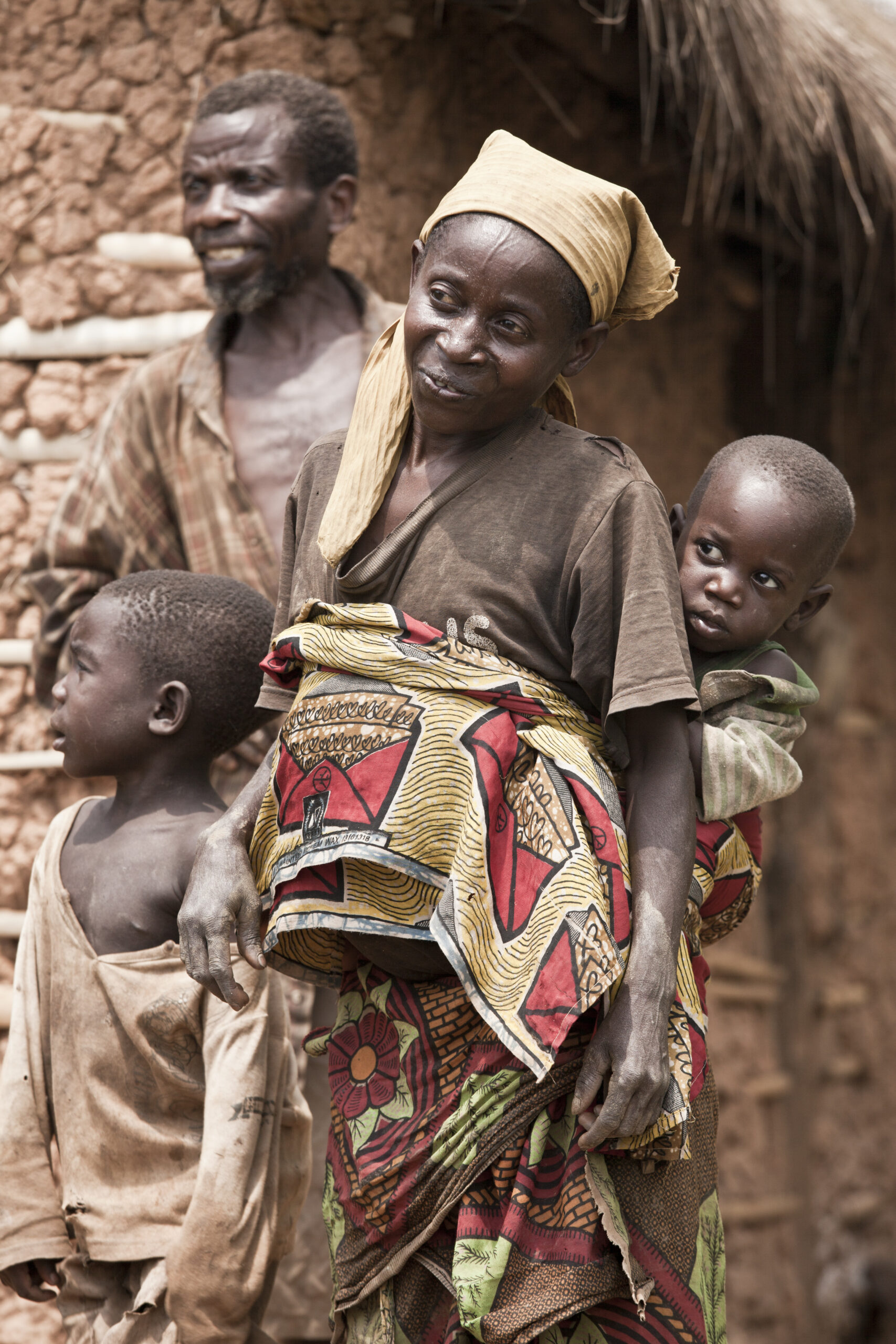
At the same time, more than 307 million Africans went hungry. The United Nations reports hunger in Africa is climbing even as it falls in much of the world. Electrification is advancing, but hunger continues to spread.
Experts point out that electricity by itself does not reduce hunger. Power helps when it supports irrigation, cold storage, or food processing. Sub-Saharan Africa loses almost a quarter of its food after harvest. Reliable cold storage could prevent part of that waste, but many rural areas are still without access.
Families also face the limits of this progress. A healthy diet costs 4.46 dollars a day per person, according to FAO data. For millions, this remains out of reach. In Nigeria, higher electricity tariffs in 2024 added to household costs at the same time food prices were climbing. Analysts explain that the problem is not only rising tariffs but also stagnant incomes that leave families unable to afford both food and electricity.
Power Politics
Governments and donors continue to back large energy projects. These projects are visible, attract international finance, and can be promoted as symbols of growth. Food system reform, by comparison, involves markets, transport, and pricing. It is slower and harder to present as a clear success.
The result is a gap. Hunger shapes migration, unrest, and lost development, yet it is less likely to draw the same funding and political attention as a new power plant.

There are examples where energy and food are linked effectively. School feeding programs reached 87 million African children last year. Many rely on steady power for kitchens while sourcing food from local farmers. Agro-industrial parks with storage and processing have reduced waste and helped stabilize markets.
Investment in electricity is expanding, but food systems are not receiving the same urgency. Both are essential. Power keeps the lights on, but food keeps families alive. The task now is to make sure energy and agriculture move forward together, with equal commitment.

Sources
United Nations Food and Agriculture Organization. “Hunger declines globally, but rises in Africa and Western Asia: UN report.” July 2025.
https://www.fao.org/africa/news-stories/news-detail/hunger-declines-globally–but-rises-in-africa-and-western-asia–un-report/en
International Energy Agency. “Africa Energy Outlook 2024 – Forecasts $110 billion investment.” October 2024.
https://solarquarter.com/2024/10/15/iea-forecasts-110-billion-investment-in-africas-energy-sector-in-2024
Reuters. “Nigeria raises electricity tariffs for high-use consumers.” April 2024.
https://www.reuters.com/business/energy/nigeria-raises-electricity-tariffs-high-use-consumers-2024-04-03
Reuters. “Africa feeding 20 million more children with school meals, WFP says.” September 2025. (Cites 87 million children reached in Africa, attributed to WFP.)
https://www.reuters.com/world/africa/africa-feeding-20-million-more-children-with-school-meals-wfp-says-2025-09-10
Food and Agriculture Organization. Food Loss and Waste Database – post-harvest losses in Sub-Saharan Africa.
https://www.fao.org/platform-food-loss-waste/en