







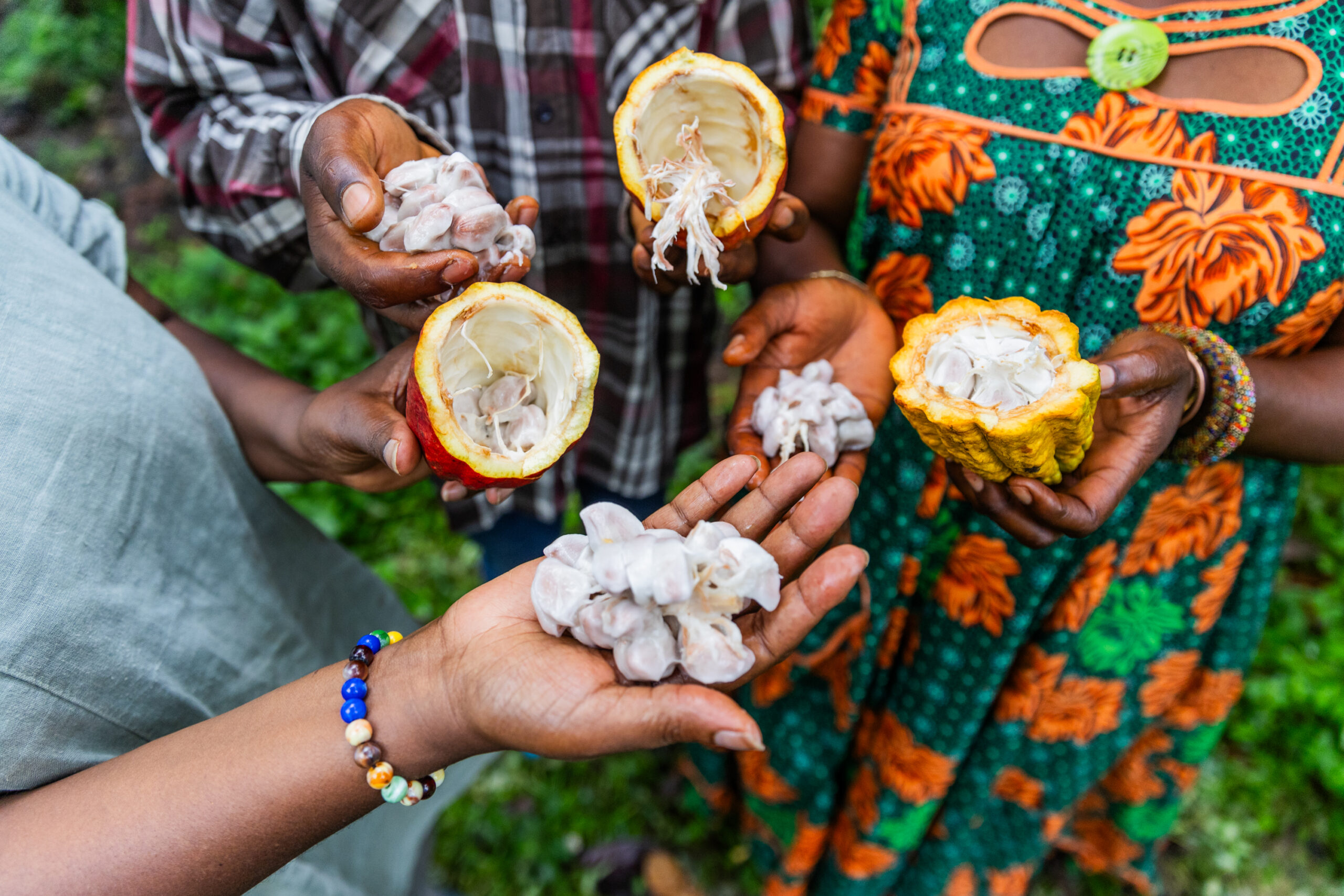
A new development in Ghana’s cocoa sector is drawing attention from farmers, buyers, and policymakers alike. Authorities report that some licensed cocoa buyers have been diverting funds—originally meant to purchase beans from Ghanaian farmers—to instead buy smuggled cocoa from neighboring countries.
At first glance, this appears to be a simple case of market abuse. But on the ground, the situation is more complex—and closely tied to hunger and poverty across the region.
Why Smuggling Is Happening
In parts of West Africa, cocoa prices are not always equal across borders. When farmers in nearby countries receive lower prices for their crops, some are driven to sell through informal channels into Ghana, where prices can be more stable or higher. For many smallholder farmers living day-to-day, this is not about profit—it is about survival.
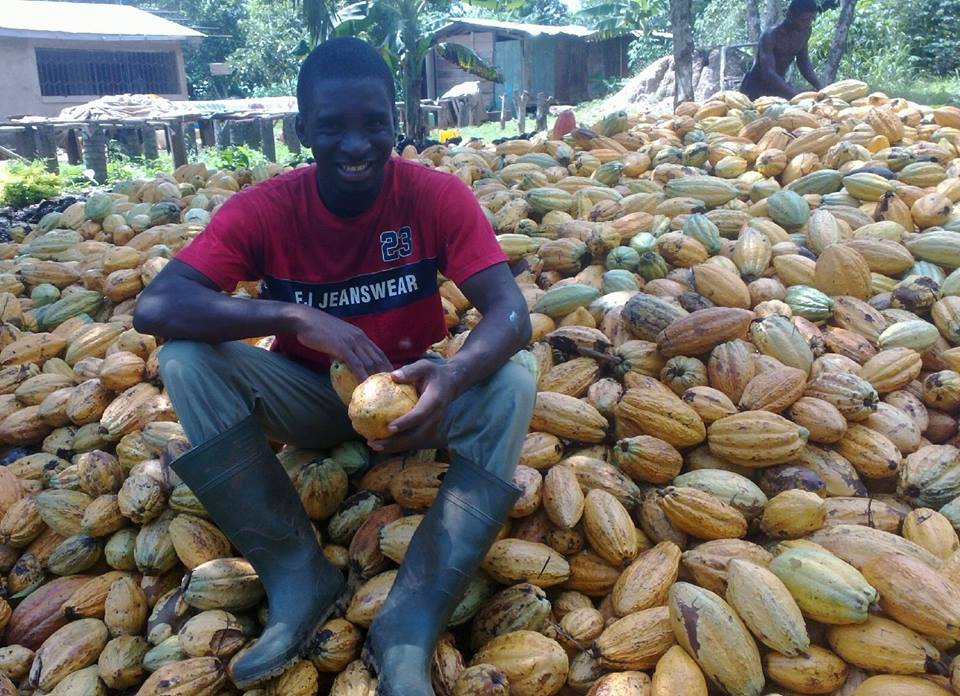
Photo: Rberchie, CC BY-SA 4.0 https://creativecommons.org/licenses/by-sa/4.0, via Wikimedia Commons
In these cases, smuggling becomes a way to secure enough income to feed a family. When formal markets fail to offer fair or reliable pricing, informal trade steps in.
How This Affects Ghanaian Farmers
However, the impact inside Ghana can be serious. When buyers use funds to purchase smuggled beans instead of buying locally, Ghanaian farmers may be left with unsold crops or forced to accept lower prices. This reduces household income and can directly affect food security.
Less income for farmers means:
- Fewer meals per day
- Reduced ability to pay for school or healthcare
- Increased vulnerability during the lean season
Over time, this weakens the entire agricultural system.
The Link to Hunger
Cocoa is a primary source of income. When that income is unstable, families cannot reliably buy food. In this way, disruptions in the cocoa market can contribute directly to hunger.
At the same time, farmers in neighboring countries who turn to smuggling are often doing so because formal systems are not meeting their needs. Low prices, limited market access, and lack of support leave few alternatives.
What Can Be Done
Addressing this issue requires more than enforcement alone. While stronger monitoring of buyers is important, long-term solutions must focus on the root causes:
- Fair and competitive pricing across the region to reduce incentives for smuggling
- Stronger farmer support, including access to credit and inputs
- Regional cooperation between governments to align cocoa policies
- Transparent buying systems to ensure funds reach local farmers
- Investment in rural livelihoods so farmers are not forced into informal trade
Looking Ahead
The situation highlights a broader truth across West African agriculture: when systems work for farmers, markets remain stable. When they do not, informal networks fill the gap.
There are already efforts underway to improve pricing systems and strengthen oversight in Ghana’s cocoa sector. If combined with regional cooperation and farmer-focused policies, these steps could not only stabilize the market—but also help reduce hunger by ensuring that farmers earn enough to support their families.
In the end, the goal is not just to stop smuggling, but to build a system where no farmer has to rely on it to survive.