






April brought several serious challenges across West Africa, increasing hunger and poverty in many areas.
In northern Nigeria, ongoing conflict forced thousands of families to leave their farms. Many could not plant crops for the season, meaning less food will be available later this year. Displaced families are now relying on aid or small daily earnings to survive.
In Ghana, food prices continued to rise in major markets like Accra. The cost of rice, cooking oil, and maize has made it difficult for low-income families to afford regular meals. Some households report eating only once or twice a day.
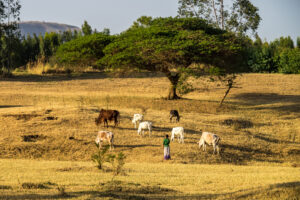
In Mali and Burkina Faso, insecurity in rural areas has limited farming activities. Farmers are afraid to travel to their fields, and some villages have been abandoned. This reduces food production and increases dependence on imports.
Weather has also caused problems. In parts of the Sahel region, rains have been delayed, slowing down planting. Without timely rain, crops may not grow properly, which can lead to shortages later.
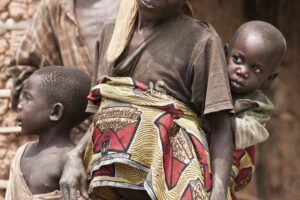
Health workers across the region are seeing more cases of child malnutrition. Clinics report more children coming in weak and underweight, a clear sign that families are struggling to get enough food.
However, there are signs of hope. Local farmers, aid groups, and communities are working together to improve food access and prepare for the next planting season. With continued support and better conditions, many families are hopeful they can recover and rebuild in the months ahead.
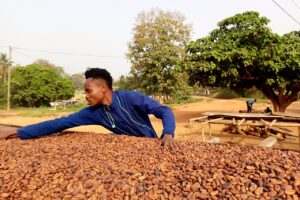
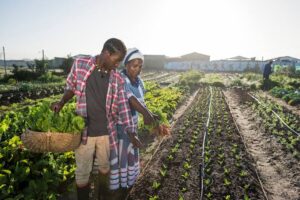
Featured photo attribution: Nsobila Bia, CC BY-SA 4.0 https://creativecommons.org/licenses/by-sa/4.0, via Wikimedia Commons