






Domestic violence expert David Mandel explains why family safety should be a development priority.
Governments measure development through indicators such as economic growth and food security. But according to David Mandel, founder and CEO of the Safe & Together Institute and author of Stop Blaming Mothers and Ignoring Fathers, one essential measure is often overlooked: family safety.
Mandel has almost 40 years of experience in domestic violence and child welfare advisory. He has worked with governments and professionals around the world to improve how they respond to domestic abuse. As the creator of the Safe & Together Model, he believes protecting children begins by addressing the behavior of perpetrators while supporting survivors. In this interview with Food for Africa News, he explains why family safety should be recognized as a key part of national development.
A Global Voice for Family Safety
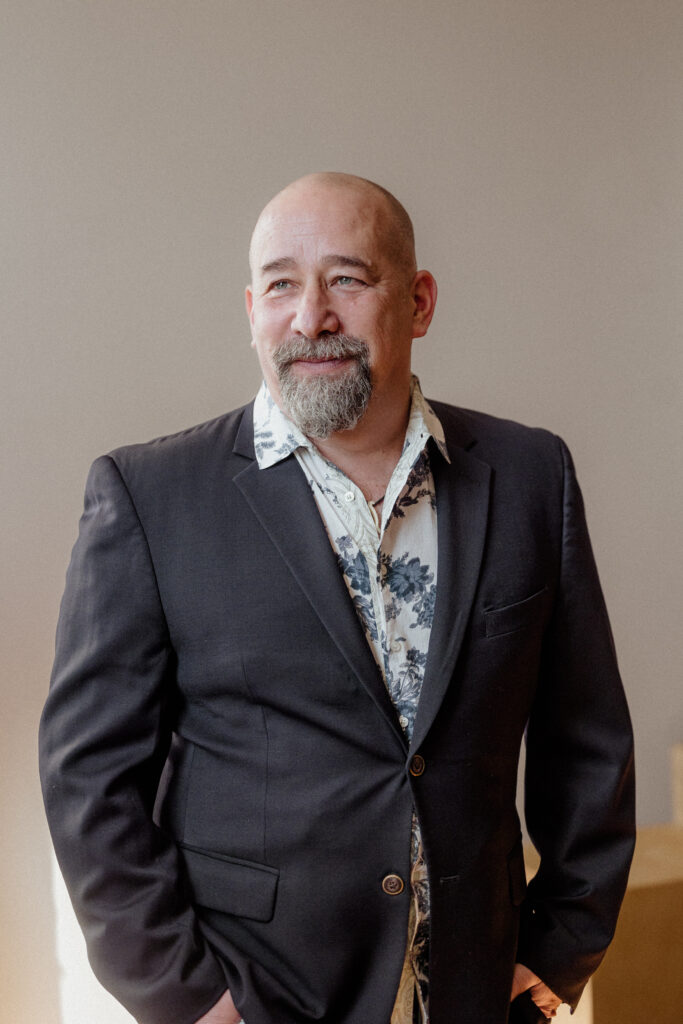
For more than two decades, David Mandel has worked to improve how systems respond to domestic abuse across the globe. Today, the Safe & Together Institute trains approximately 10,000 professionals each year and works with more than 100 partner government and NGO entities across North America, Europe, and the Asia-Pacific region. His approach has been adopted by child protection agencies, family courts, healthcare providers, and other professionals who work with families.
Before founding the Safe & Together Institute, Mandel studied international development, focusing on political economy and food aid. During his studies, and from listening to the experiences of women in his life, he became increasingly aware of the violence many women experienced from men, setting him on a path he says he has “never looked back” from.
A Development Perspective
According to Mandel, countries cannot achieve lasting development without addressing domestic abuse. “I don’t think you can do economic development without addressing this,” he said.
Mandel asks a question that policymakers rarely consider: “In what world does not addressing domestic violence make the family stronger economically?” In addition to families losing economic opportunities, children grow up in environments that have a negative impact on their mental health, education, and future potential. Mandel argues that these hidden costs should be considered alongside more traditional measures of development because they shape a country’s long-term social and economic well-being. He also believes development efforts should ask who controls household resources and whether women and children are able to benefit from them.
Poverty and Domestic Violence
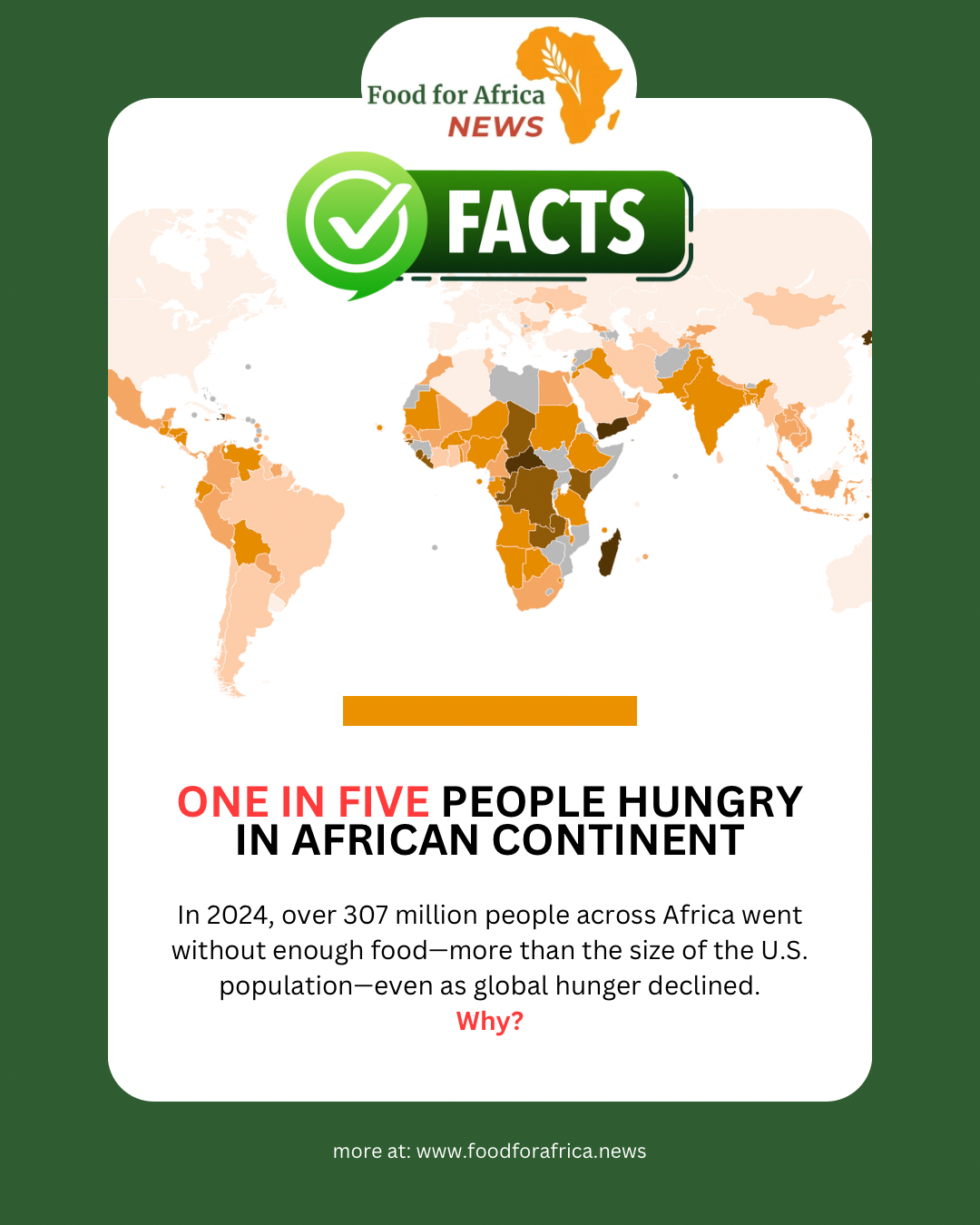
According to the latest United Nations estimates, more than 300 million people in Africa experience hunger, while over half of the continent’s population faces moderate or severe food insecurity. The challenges are compounded by domestic abuse. The World Health Organization estimates that about one in three women in Sub-Saharan Africa has experienced physical and/or sexual intimate partner violence during her lifetime, making the region one of the highest-prevalence areas in the world. Although financial insecurity places enormous stress on families, Mandel cautions against confusing economic hardship with the underlying cause of the abuse, “Poverty shouldn’t be used as an excuse or justification to stop accountability.”
Abusive partners often use economic hardship as another means of control: coercive control. Women may be prevented from earning an income, denied educational or professional opportunities, or have their earnings controlled by an abusive partner. Women who leave abusive relationships frequently face even greater financial hardship, including poorer housing and legal costs. Abuse limits a family’s ability to improve its economic future.
The Hurdles of Escaping Violence
For many women across Africa, leaving an abusive relationship can mean giving up the family’s only source of income or housing. A victim may have to face leaving one dangerous situation only to step into another dangerous one: homelessness and food insecurity. According to UN Women, for many countries, access to shelters, legal aid, and specialized support services remains limited, particularly outside major cities, leaving survivors with few safe places to turn. Stronger support systems, both within the community and from organizations, are essential if women and children are to escape violence safely.
Seeing What Others Miss
Mandel believes protecting children begins with recognizing the many ways abuse can occur. While physical abuse may leave visible injuries, coercive control often leaves no physical signs, making it much easier to overlook.
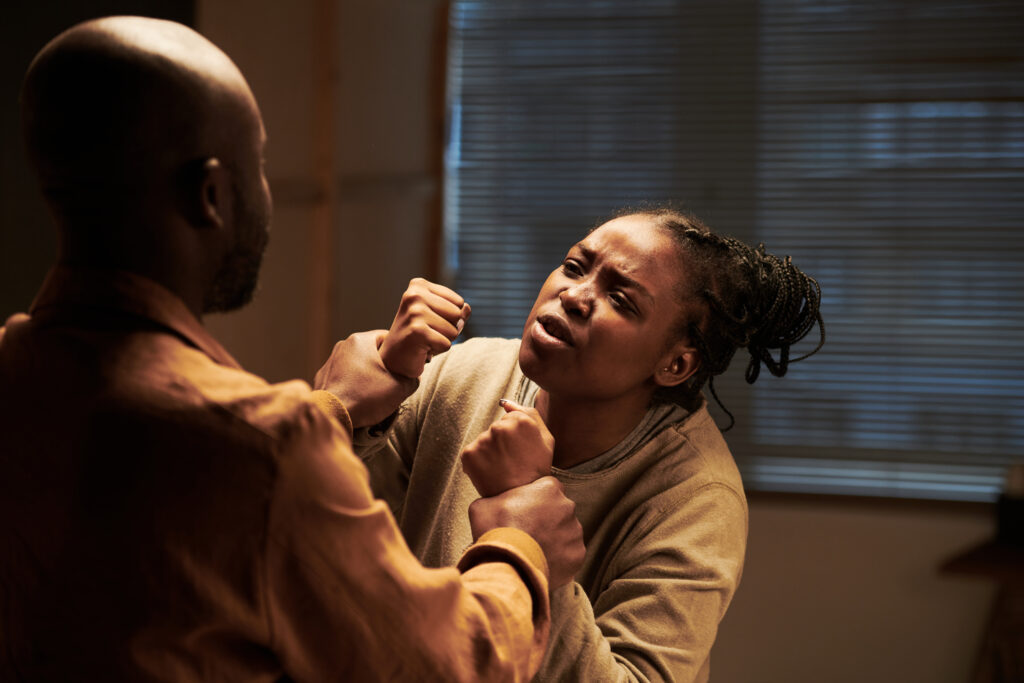
Physical warning signs may include unexplained injuries, frequent attempts to hide bruises, or fearful reactions around a partner. Coercive control, however, can be more difficult to recognize. Warning signs may include one partner controlling all household finances, preventing her from working or continuing her education, isolating her from family and friends, monitoring movements or communications, or making decisions on their behalf. Fear, anxiety, and sudden withdrawal from work or community activities may also indicate that someone is living under coercive control. While these patterns often leave no visible injuries, they can have lasting effects on both women and children.
Teachers, healthcare workers, neighbors, religious leaders, and extended family members often notice these changes before authorities do. Mandel encourages communities not to dismiss them as private family matters, but to consider how they can safely support the person experiencing abuse and connect them with appropriate services when available.
Shifting the Question
One of the biggest changes Mandel advocates is shifting the question away from, “Why doesn’t she leave?” Alternatively, he believes professionals should focus on the behavior of the person causing the harm. “If you care about the children and the overall health of the family your our biggest ally may be that protective parent… at the same time you can ignore the person causing the harm – as they are often a key part of the family and community.”he said. This shift, he says, moving attention away from blaming the non-offending parent and toward understanding how the abusive partner’s actions affect both the survivor and the children can change the entire way you interact with the family.
Before developing the Safe & Together Model, Mandel found that many child protection systems lacked training to document what children actually experienced. David found that professionals were often “not trained to name who did what to whom to what effect.” This would result in a difficulty to understand the impact on children or recognize patterns of abusive behavior. Without that information, he argues, “systems struggle to hold the abusive parent accountable and make informed decisions that protect children.”
This flaw allowed many systems to focus heavily on the mother’s perceived shortcomings while overlooking her protective actions. Reports often centered on her anxiety, depression, or decision to stay rather than on the father’s pattern of abusive behavior. Mandel developed his model to help professionals more accurately record the perpetrator’s behavior and recognize the strengths of the non-offending parent to better protect children.
Changing Systems
For Mandel, shifting the question is only the beginning. Lasting change happens when entire systems begin to respond differently. All over the world, professionals trained in the Safe & Together Model are asking survivors about their strengths instead of their perceived failures. Mandel reflected, “Many women became emotional because it was the first time someone had acknowledged what they were doing right for their children.” He has also seen judges reconsider earlier assumptions and agencies write supportive letters that influenced court decisions.
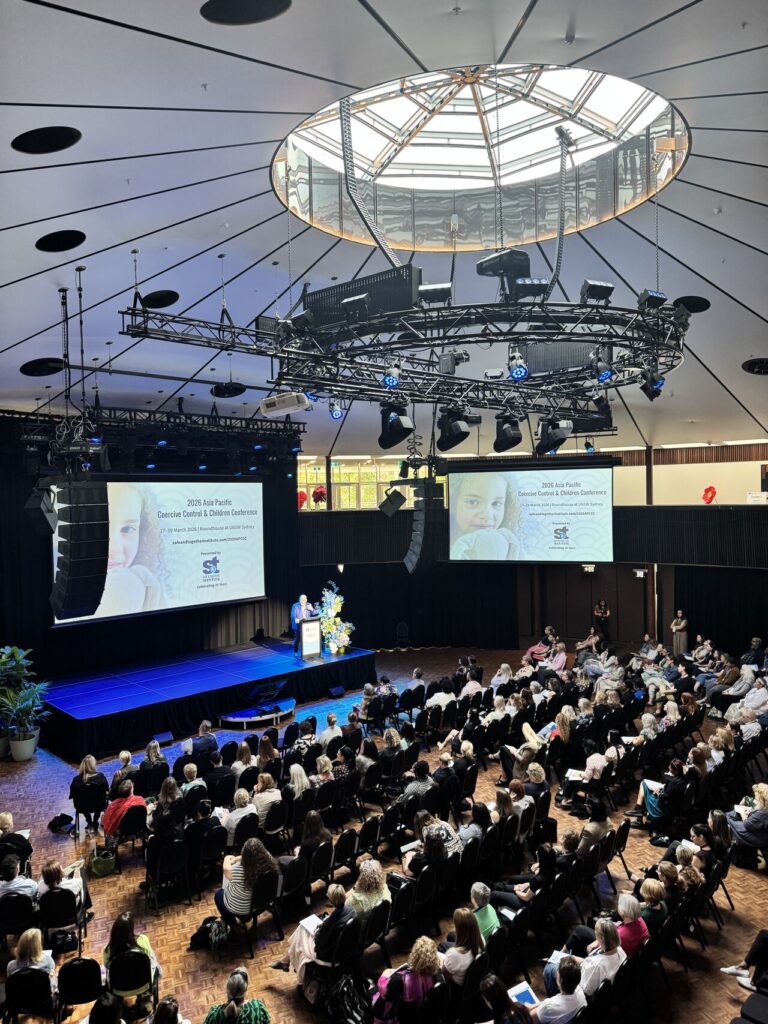
Now, ongoing research supports this approach. For Mandel, such results show how modifying professional practices can change outcomes to better benefit children and families.
For Africa, progress begins with smarter decisions. By improving how professionals respond to domestic abuse, systems can also learn to better protect children and strengthen families. Mandel hopes family safety becomes an essential part of child protection and national development across the continent.
Learn More
For readers interested in learning more, please access the following Safe & Together Institute resources. Many are available free of charge.
- Stop Blaming Mothers and Ignoring Fathers: How to Transform the Way We Keep Children Safe from Domestic Violence – David Mandel’s book examines six common myths that shape responses to domestic abuse and offers practical ways to better protect children while supporting the non-offending parent. The book includes case studies, research, and tools for professionals and survivors.
Available here: Amazon - Safe & Together Institute – Learn more about the Safe & Together Model, research, and free educational resources.
https://safeandtogetherinstitute.com/ - Free Resource Library – Articles, videos, tools, and publications for professionals, organizations, and community members.
https://safeandtogetherinstitute.com/resources/ - Safe & Together Virtual Academy – Self-paced online courses for child protection professionals, healthcare workers, educators, and others working with families.
https://academy.safeandtogetherinstitute.com/ - SafetyNexus – A technology platform designed to help frontline professionals document perpetrator behavior, strengthen case documentation, and coordinate responses across agencies.
https://safetynexus.ai/ - Partnered with a Survivor Podcast – David Mandel and Ruth Reymundo Mandel discuss domestic abuse, child protection, coercive control, and building safer systems.
https://safeandtogetherinstitute.com/podcast/