








Nearly two out of three jobs in Africa are in farming and food. Yet agriculture makes up only a quarter of the continent’s GDP. Hunger still affects more than 307 million people, according to the Food and Agriculture Organization’s 2025 SOFI report.
In West Africa, food work provides two out of every three jobs. But farmers often receive little recognition for their role.
Technology may replace clerks and cashiers. Artificial intelligence is already changing office jobs. But food cannot be automated. Farming remains essential.

The gap between policy and reality is sharp. Cocoa farmers in Ghana and Côte d’Ivoire long earned five to six percent of the retail price of chocolate. In 2023, Ghana lost more than 160,000 tonnes of cocoa to smuggling after prices were set too low. Across the region, 350,000 tonnes crossed borders illegally. In Nigeria, up to half of tomatoes rot before reaching markets. Farmers are not to blame. Poor storage, weak roads and failed policies are.

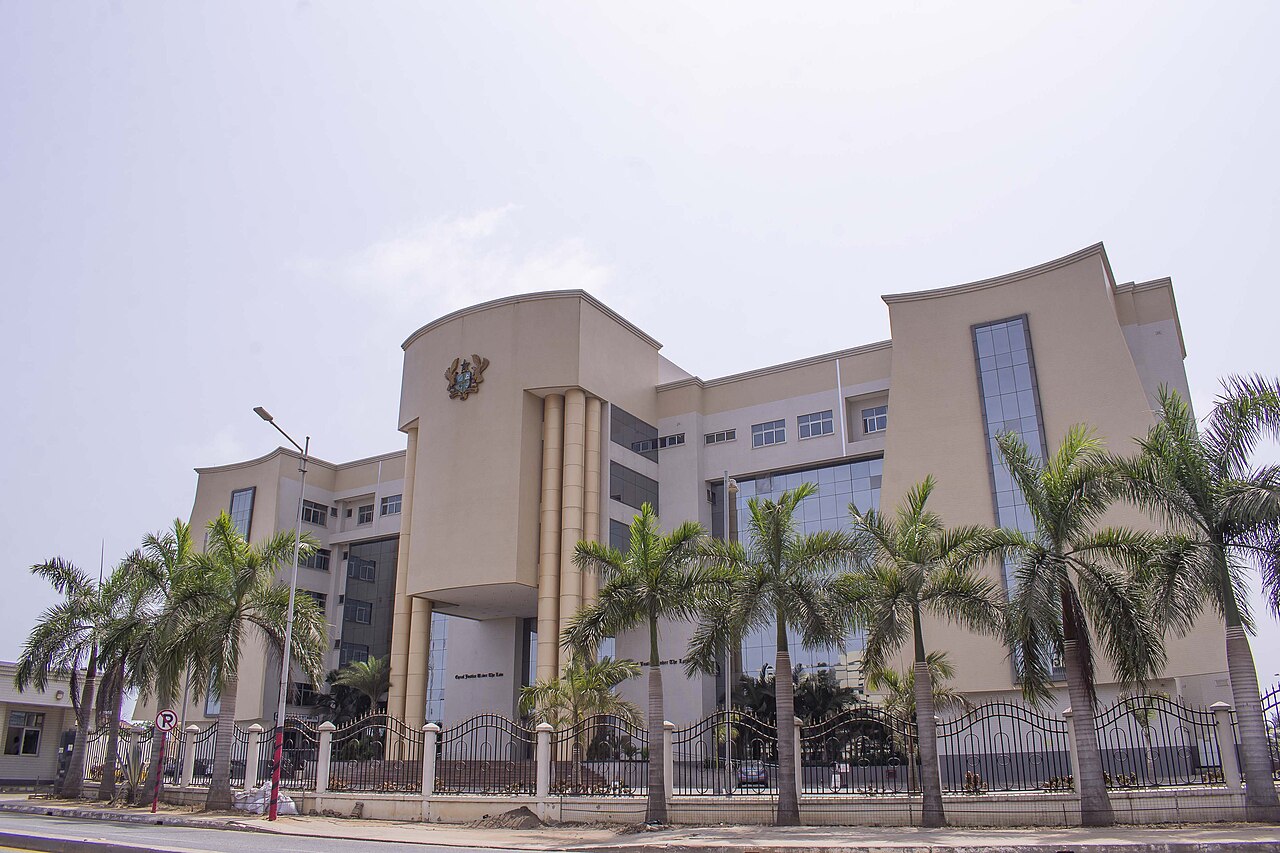
Photo attribution: King Bangaba, CC BY-SA 4.0 https://creativecommons.org/licenses/by-sa/4.0, via Wikimedia Commons
Examples from across the continent show what effective support can look like. In Kenya, the agribusiness Twiga Foods buys directly from small farmers and supplies more than 100,000 shops and kiosks each day, moving about a million kilograms of produce. In Nigeria, the technology company Hello Tractor runs a mobile app that allows smallholders to rent tractors by the hour. More than 2.5 million farmers now use the service, and many have doubled their incomes. In Zambia, the agricultural insurer Pula provides crop insurance and paid out 39 million dollars to farmers in 2024 alone. Today, Pula covers 15 million farmers worldwide.
Investment in agritech is rising. Since 2014, agribusiness startups have raised 1.5 billion dollars across 700 deals. In 2024 alone, 215 million dollars went into 158 investments. Now, Twiga Foods is valued at nearly 300 million dollars. Wasoko, after merging with MaxAB, is worth more than 500 mllion. Apollo Agriculture has financed 350,000 farmers and is expanding. Analysts expect African agriculture to grow nearly three percent a year through 2029, with exports reaching 20 billion dollars by 2025.
Youth unemployment is climbing. In 2023, more than one in five young Africans were not in school, work or training. Routine office jobs are shrinking as artificial intelligence spreads, but farming remains steady. With Africa’s population expected to double by 2050, food output must rise by at least 60 percent.

Policy choices will decide how that happens. In Ghana, the government set cocoa farm-gate prices so low that many farmers sold their beans illegally across borders, where buyers in Côte d’Ivoire and Togo offered higher prices. This smuggling cost Ghana more than 160,000 tonnes of cocoa in 2023. To respond, the government raised prices and expanded its “Planting for Food and Jobs” program, which provided farmers with subsidized seeds and fertilizer. That program helped increase production and gave growers more stability.
Farmers fill plates across the continent, but they cannot carry the burden alone. Africa’s food security will depend on whether governments set fair policies, whether infrastructure keeps crops from rotting, whether technology continues to reach smallholders, and whether the next generation sees farming as a future worth building.
Sources
Food and Agriculture Organization of the United Nations (FAO) — “Hunger still affects 307 million people in Africa (20 % of population) in 2024.” FAOHome+1
Reuters — Ghana lost ~160 000 tonnes of cocoa to smuggling in the 2023/24 season. Reuters
Briter Bridges — “131 AgTech companies raised US$215 million across 158 deals in Africa.” Briter
AgFunder — African agrifoodtech funding details for 2024. AgFunder
Research paper (Nature) — Nigeria’s tomato production: “33-50 % of tomato production fails to reach markets due to poor storage and handling”.
Reuters, “Ghana lost 160,000 tons of cocoa to smuggling in 2023/24 season, Cocobod official says” (16 Sept 2024) — https://www.reuters.com/world/africa/ghana-lost-160000-tons-cocoa-smuggling-202324-season-cocobod-official-says-2024-09-16/ Reuters
Benson T., “Fertilizer subsidies in Malawi from past to present” (Working Paper 44, Jan 2024) — https://www.massp.ifpri.info/files/2024/01/Working-Paper-44-Fertilizer-subsidies-in-Malawi-from-past-to-present.pdf