






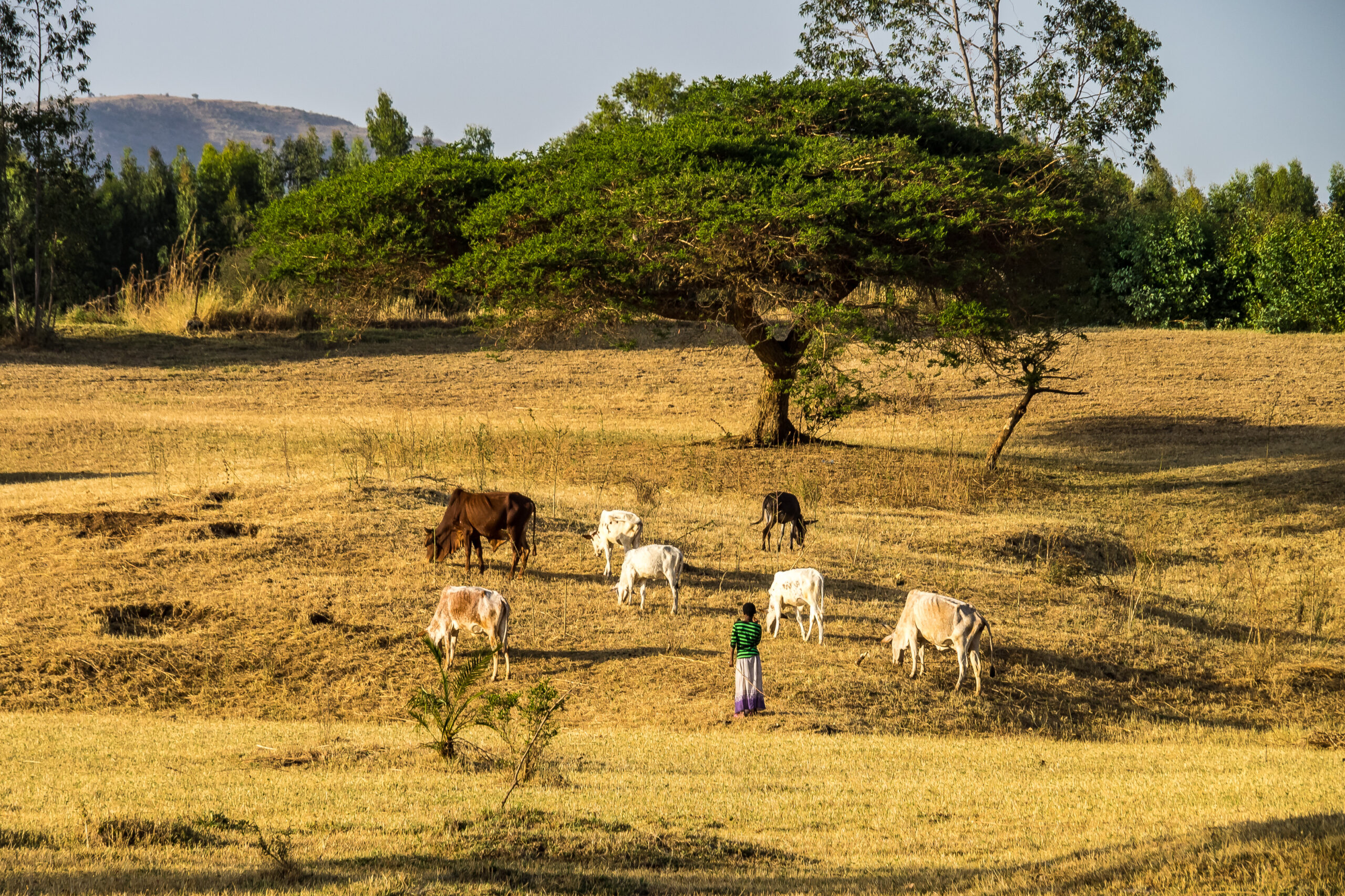
According to the FAO, Africa has approximately 2.6 billion hectares of arable land — one of the greatest agricultural resources on Earth. Yet behind this incredible number is a contradiction that should make the world stop and think.
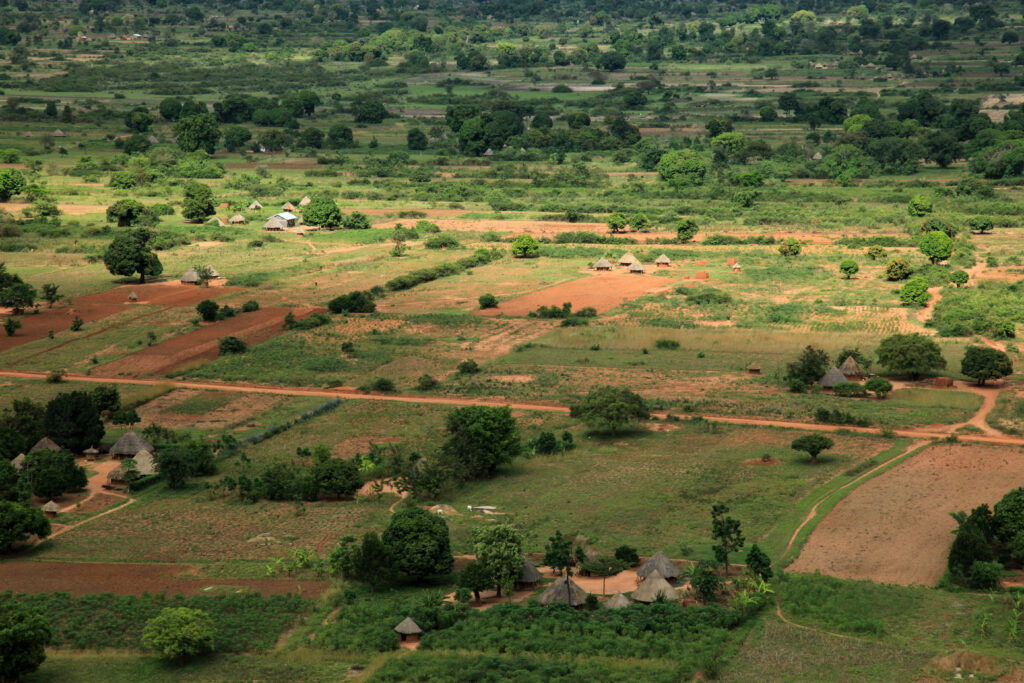
A continent with some of the largest agricultural potential continues to rely heavily on food imports.
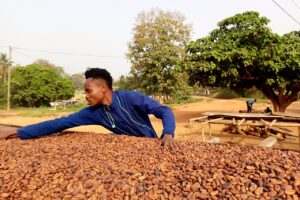
Africa imports hundreds of billions of dollars worth of food every year, while many of its farmers struggle with limited access to financing, modern equipment, irrigation, storage, transportation, and processing facilities. Much of what Africa produces is consumed locally, but production systems have not developed fast enough to match population growth and rising demand.
The hunger statistics alone are enough to make you lose your appetite.
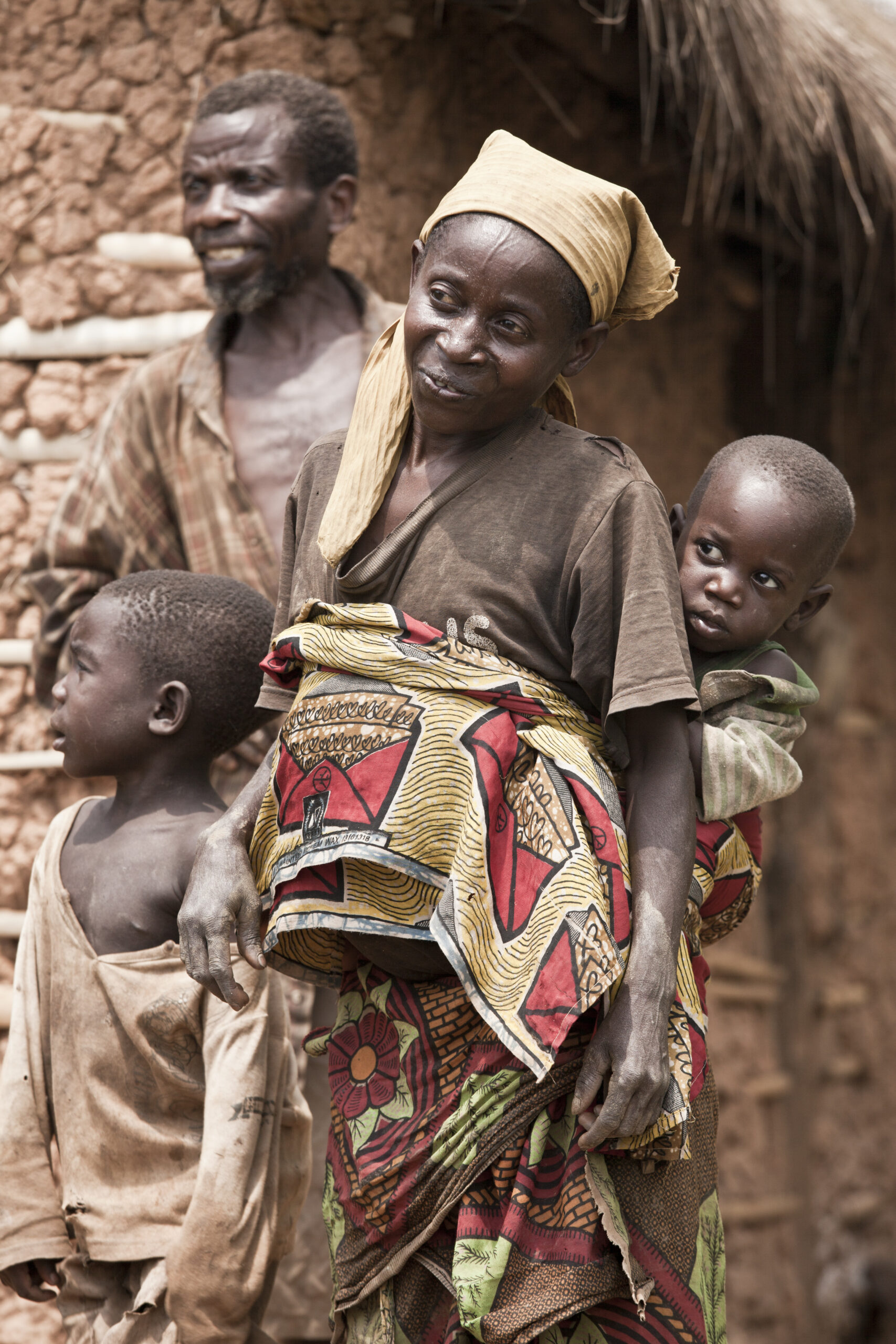
Hundreds of millions of people across Africa face food insecurity. Millions of children suffer from malnutrition, with undernutrition remaining one of the leading contributors to child illness and preventable deaths. In many regions, families face not only a lack of food, but a lack of access to the nutritious food needed for healthy development.
Africa’s greatest challenge is also its greatest opportunity.
The immediate challenge is building a stronger, more independent food supply. The opportunity is creating a new agricultural future through investment, innovation, and sustainable solutions.
Africa has something many developed agricultural markets no longer have: the ability to build forward without being locked into every system created decades ago.
For much of the 20th century, industrial agriculture focused heavily on maximizing production through chemical-intensive farming methods, including synthetic fertilizers and systems designed around short-term output. These methods helped increase yields, but over time many farmers and scientists have raised concerns about soil degradation, declining soil health, nutrient loss, water pollution, and the long-term impact on agricultural ecosystems.
Healthy soil is the foundation of healthy food.
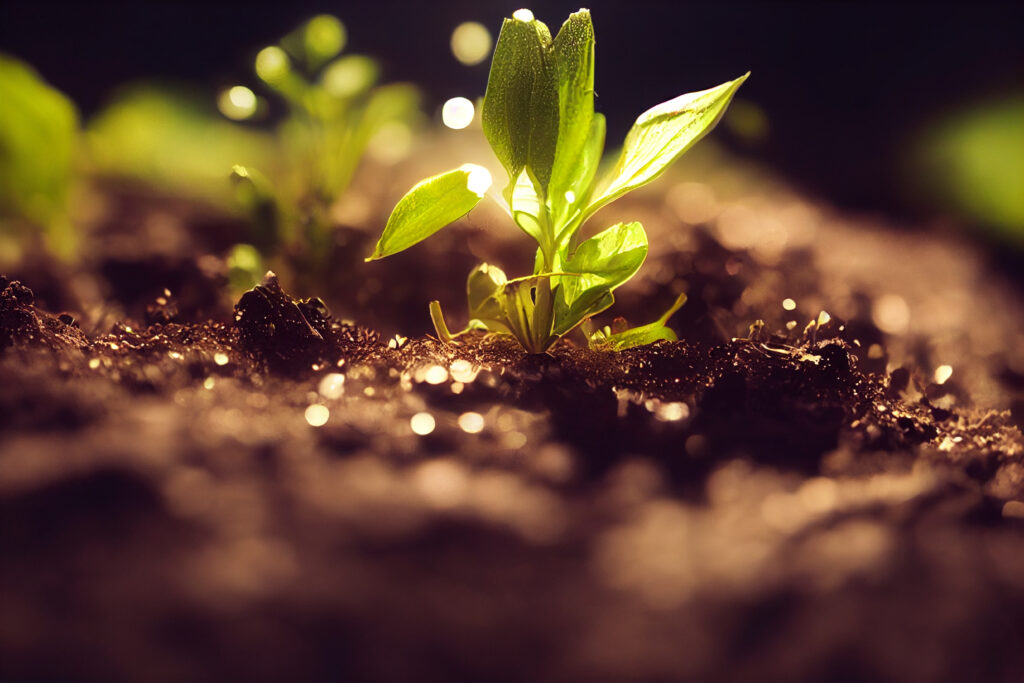
The future of agriculture is moving back toward understanding what nature has always known — that soil is alive. Organic matter, humic substances, trace minerals, biodiversity, and responsible farming practices all play a role in rebuilding stronger agricultural systems.
Many Western agricultural markets now face the difficult task of changing systems that have been built for generations around existing infrastructure, equipment, and farming practices. Transitioning millions of acres of farmland into more sustainable methods requires time, investment, and a major shift in thinking.
Africa has a unique opportunity because many agricultural systems are still developing. New farming models can be built with sustainability in mind from the beginning — combining modern technology with natural soil solutions and traditional agricultural knowledge.
The goal is not only to produce more but to produce better, for a healthier today and brighter tomorrow.
A stronger African agricultural future means empowering farmers, improving food independence, creating jobs, reducing unnecessary imports, and building industries that can compete globally.
The world often looks at Africa through the lens of its challenges. But behind those challenges is an enormous opportunity.
Billions of hectares of potential. Millions of farmers. The world’s youngest and fastest growing population. This is a chance to create agricultural systems designed for the future.
Mother Nature has already provided the foundation. The next step is building the systems to support it.