




Ebola is dominating headlines once again.
People are talking about where it is spreading, who has been infected, which borders may close, and whether another major outbreak could be on the horizon. In the Democratic Republic of the Congo, the latest outbreak has continued to grow, while neighboring Uganda has remained on high alert because of cross-border transmission. Health officials warn that the situation remains serious and that continued vigilance is essential.
But there is something hiding behind this Ebola topic: Hunger and poverty.
And it may be one of the most important parts of the crisis.
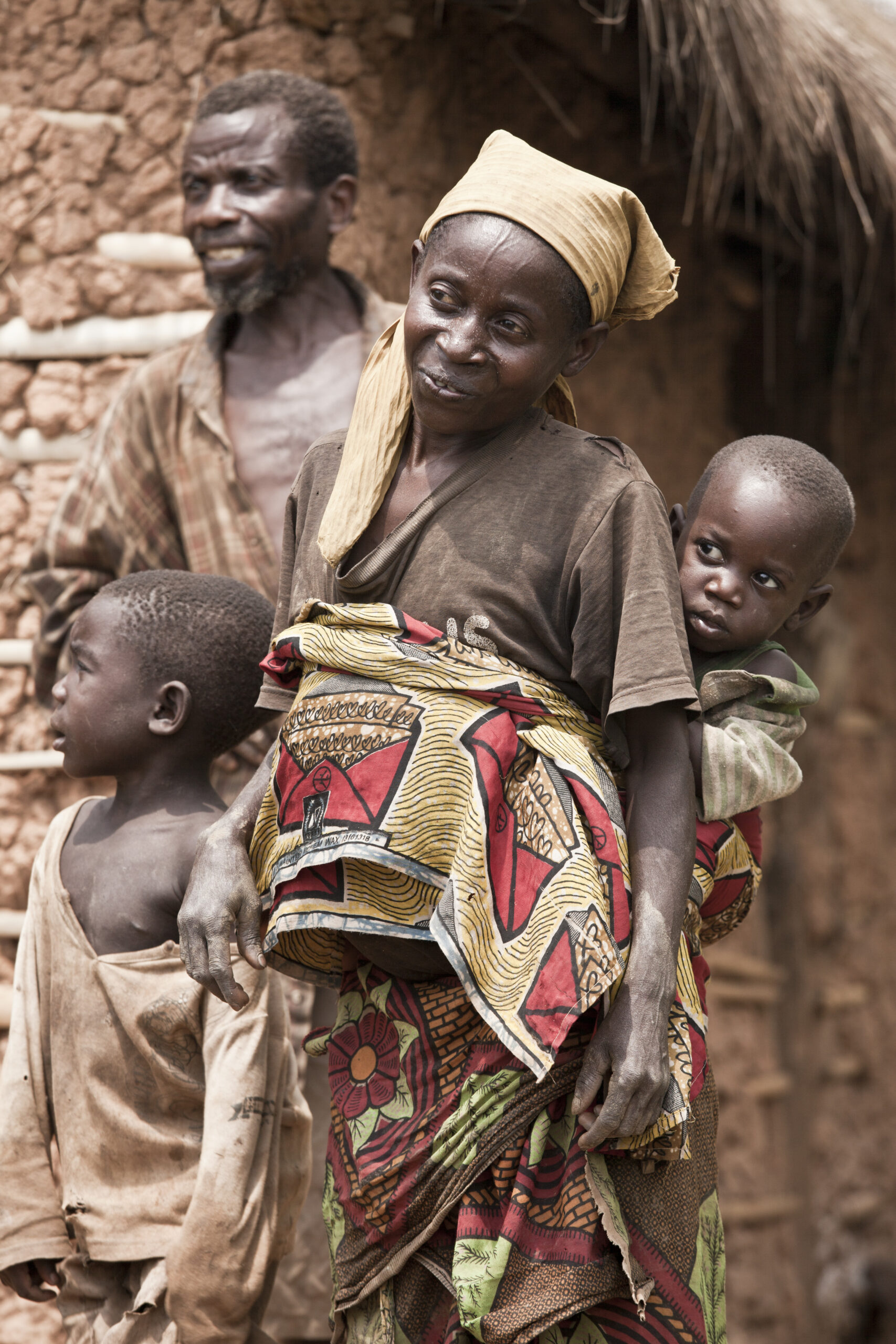
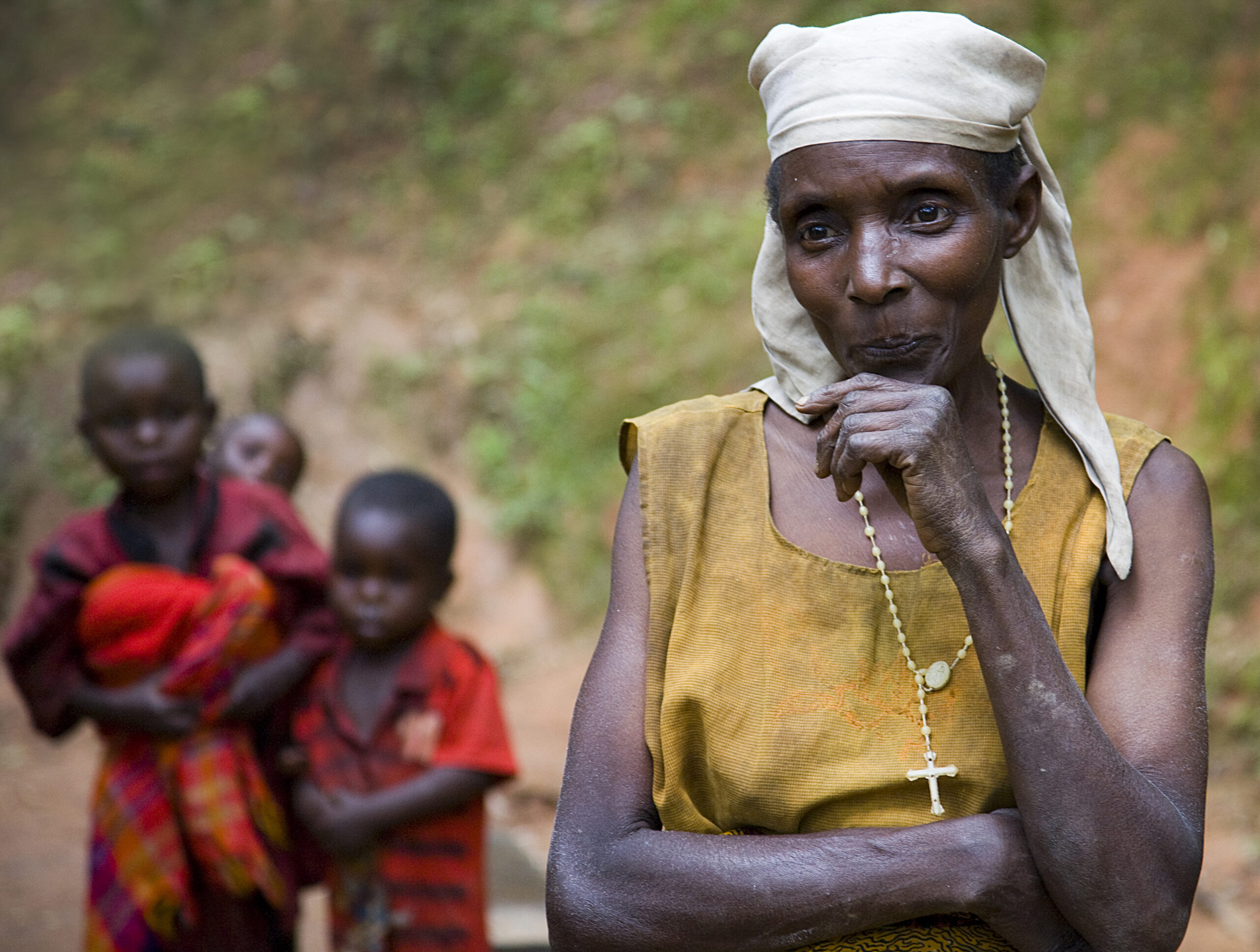
The virus does not care whether someone is rich or poor. Yet the people most vulnerable to the effects of Ebola are often those who already have the least. They are families living in overcrowded conditions. They are communities struggling with food shortages. They are mothers who must travel long distances to find work. And the children whose immune systems have already been weakened by poor nutrition.
In eastern Congo, where the current outbreak is centered, millions of people have already been displaced by conflict and instability. Many live in crowded camps with limited sanitation and limited access to healthcare. Health workers warn that these conditions make disease control far more difficult.
This is exactly where Ebola and hunger begin to intersect.
When a family is hungry, daily survival becomes the priority. Missing work is not an option. Traveling to a clinic may be impossible. Isolation measures can become difficult to follow when every day without income means another day without food.
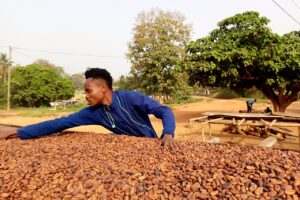
During previous Ebola outbreaks in West Africa, agricultural production declined in affected regions, local trade slowed dramatically, and many households lost their primary sources of income. Communities that were already struggling with poverty often found themselves pushed even deeper into hardship.
That is why Ebola should not be viewed only as a health crisis but also as a food security crisis.
And for many families, it becomes a hunger crisis.
Poor nutrition can weaken the body’s ability to fight disease. People suffering from chronic malnutrition often face greater health risks from many infectious diseases. While hunger does not cause Ebola, hunger makes communities less resilient when outbreaks occur. Families with limited resources often have fewer options, less access to healthcare, and greater barriers to seeking treatment quickly.
This raises an important question. What if part of the Ebola solution is not found only in hospitals?
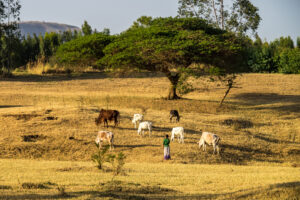
What if part of the solution is found in farms, food programs, and rural development?
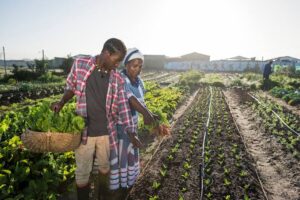
Imagine a village where families have reliable incomes from agriculture. Imagine children receiving adequate nutrition. Imagine roads that allow farmers to reach markets and patients to reach clinics. Imagine communities strong enough to absorb the shock of an outbreak without collapsing into hunger.
Every dollar invested in food security creates benefits that extend beyond nutrition alone. Stronger local agriculture means stronger local economies. Stronger economies mean families are better able to weather health emergencies. Communities with fewer people living on the edge are better equipped to respond when crises arrive.
The fight against Ebola is not only a fight against a virus.
As the world watches the latest Ebola outbreak unfold, headlines of how the virus is spreading and how it can be stopped top the news. But, perhaps the real topic to be investigated is why the poorest communities are always left carrying the heaviest burden.
When hunger and disease arrive together, they create a crisis far larger than either one alone. And unless we address both, we may find ourselves fighting the same battle again and again.