




ACCRA, GHANA — As global gold prices surge, Ghana—Africa’s top gold producer—is facing an existential crisis stemming from the explosion of unlicensed, illegal small-scale mining, known locally as galamsey. What promises quick riches has, for thousands of locals, turned into a nightmare of hazardous working conditions, organized crime involvement, and deep-seated poverty, threatening the nation’s food security and long-term economic stability.
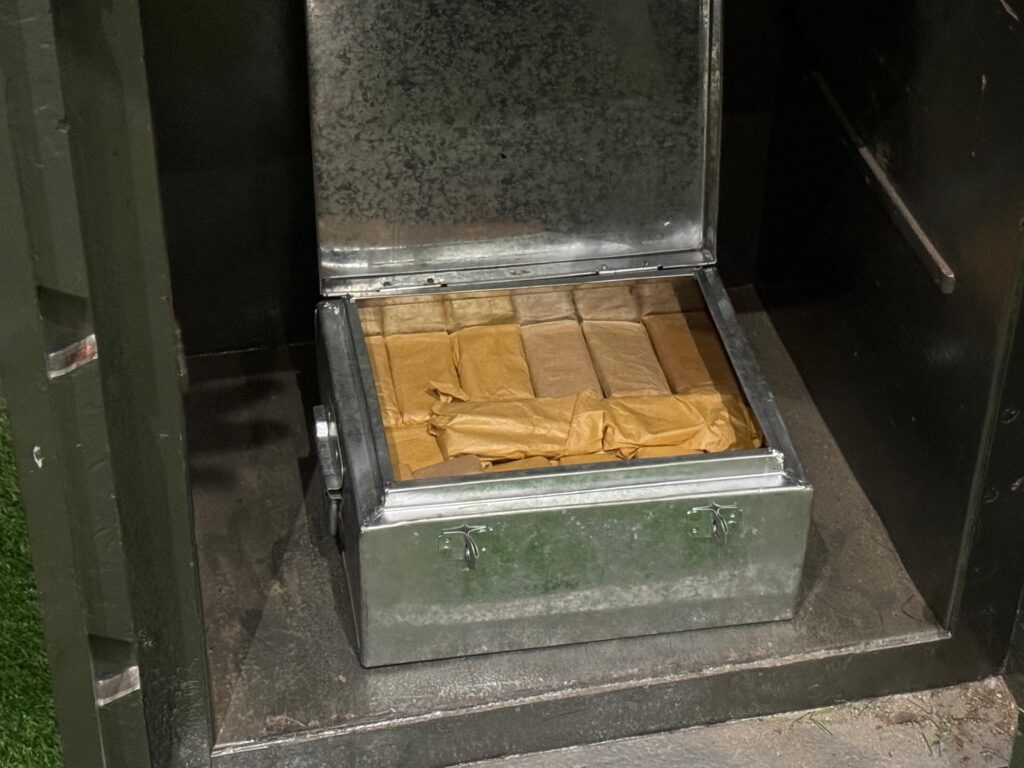
The illegal sector, accounting for 70–80% of small-scale mines, has become a hotbed for dangerous exploitation, where workers, including women and children, often labor without protective equipment in toxic conditions.
Dangerous Conditions and Child Labor
“Galamsey” sites are often deep, unsupported pits prone to collapse, leading to frequent, unreported injuries and deaths. Miners, driven by poverty, work with mercury to process the gold, often without protection, leading to high levels of mercury contamination in water and soil.
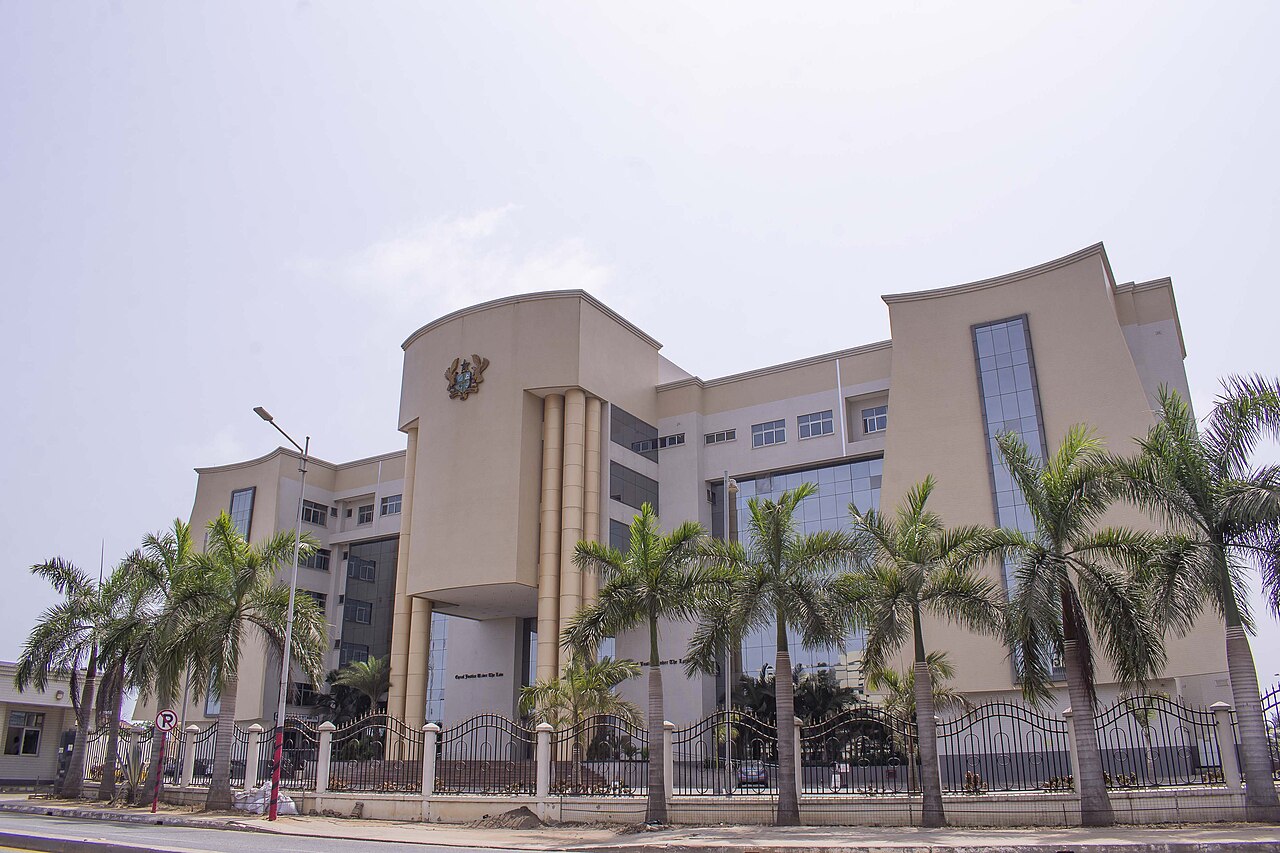
Child labor is rampant, with children as young as 9 to 17 involved in carrying heavy loads of ore, crushing it, and applying mercury. This labor, which includes trafficking, is forced upon vulnerable families, robbing children of their education and future.
The Role of Mafia and Organized Crime
The illegal sector is not simply poor villagers; it is heavily influenced by organized criminal groups (OCGs) and foreign nationals, particularly from China, working in collusion with local financiers.
These networks smuggle vast amounts of gold, mostly to the United Arab Emirates, with an estimated US$1.1 billion in revenue lost from Ghana’s gold exports between 2019 and 2021. The “Gold Mafia” operates with political connections, often creating a state of impunity.
A Cycle of Poverty, Hunger, and Despair
Paradoxically, the “gold rush” is driving poverty, not alleviating it.
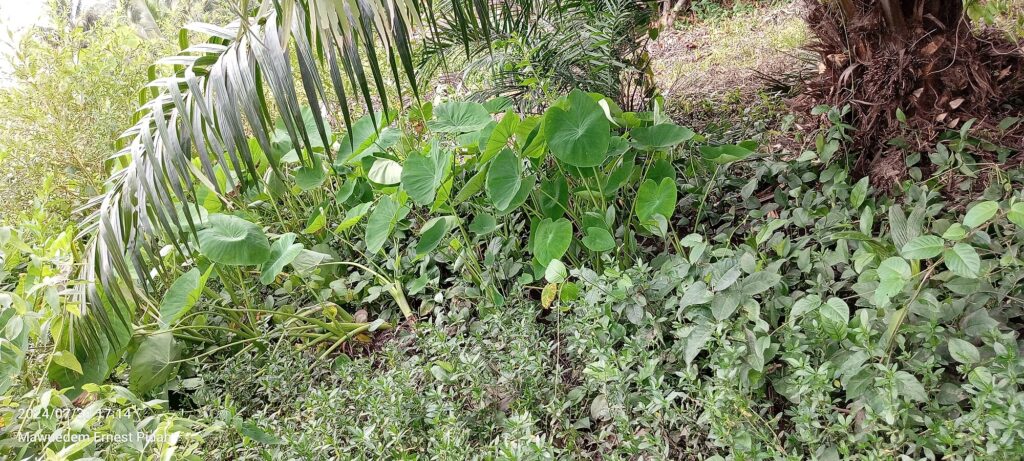
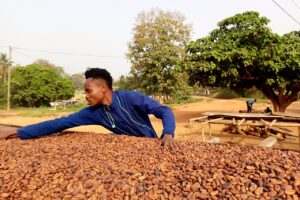
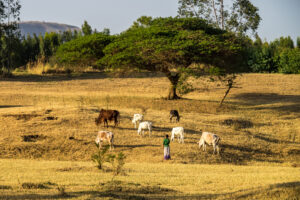
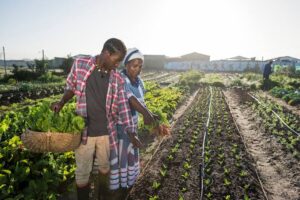
- Destruction of Agriculture: Illegal mining has destroyed over 19,000 hectares of cocoa farmland in key regions, destroying the livelihoods of farmers.(photo credit: cocoa yam and shield)
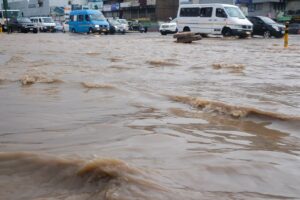
- Hunger: By contaminating water sources with heavy metals like mercury, arsenic, and lead, these mines make local rivers unusable for drinking and irrigation, leading to food insecurity and higher prices for food in mining-impacted regions.
- Decreased Investor Trust: The rise in illegal activities and environmental destruction reduces the trust of responsible, international investors, who fear involvement in unethical supply chains, which could, according to Forbidden Stories, involve major global brands like Amazon and Starbucks.
How to Find a Reputable Gold Source in Ghana
For investors looking to engage in legitimate gold mining in Ghana, the focus must be on transparency and adherence to formal, regulated channels.
- Check with the Minerals Commission: Always verify that the company has a valid, current mining lease or license issued by the Ghana Minerals Commission.
- Ensure Environmental Compliance: Reputable companies in Ghana operate with Environmental Protection Agency (EPA) certification and a detailed plan for land reclamation.
- Utilize the New Gold Board: In 2025, Ghana established a Gold Board to purchase gold from licensed small-scale miners at market prices, promoting transparency and formalizing the sector.
- Buy through Certified Exchanges: Investment in gold can be done via gold ETFs on the Ghana Stock Exchange.
The Path Forward
The Ghanaian government, alongside local task forces, is working to sanitize the sector by closing unlicensed mines, but the immense profits make enforcement a monumental challenge. While the allure of “galamsey” offers an escape from immediate poverty, its long-term cost—poisoned lands, a shattered economy, and a destroyed future for children—makes the need for legitimate, sustainable mining more urgent than ever.
References
- CNN (2024), “Galamsey” environmental impact on Ghana.
- BBC (2024), “Ghana’s illegal gold mining industry causes environmental destruction”.
- ENACT Africa (2024), “Illegal mining digs up multiple problems in Ghana”.
- VOA (2024), “Unlicensed Gold Mines in Ghana Present Risks to People, Nature”.
- Pure Earth & Ghana’s EPA (2024), “Alert on mercury and arsenic levels”.
- The Listening Post (2025), “Inside Ghana’s illegal gold rush”.
- Forbidden Stories (2025), “Ghana: Illegal gold poisons land and global supply chains”.
- Evidencity (2025), “Child labor and illegal gold mining in Ghana”.
- Human Rights Watch (2015), “Precious Metal, Cheap Labor”.
- The Conversation (2023), “Ghana’s informal mining harms health and the land”.
- Sciencedirect (2016), “The hazardous nature of small scale underground mining in Ghana”.
- Ghana Stock Exchange (2024), “Gold ETF investment”.
- Asante Gold (2025), “Mining sustainability in Ghana”.
- MBDDN Journal (2023), “The impact of illegal gold mining in Ghana on food insecurity”.
- Delvedatabase (2019), “Illegal Small-Scale Gold Mining in Ghana: A Threat to Food Security”.
- Coalition Against Typhoid (2023), “Negative impact on WASH, typhoid”.
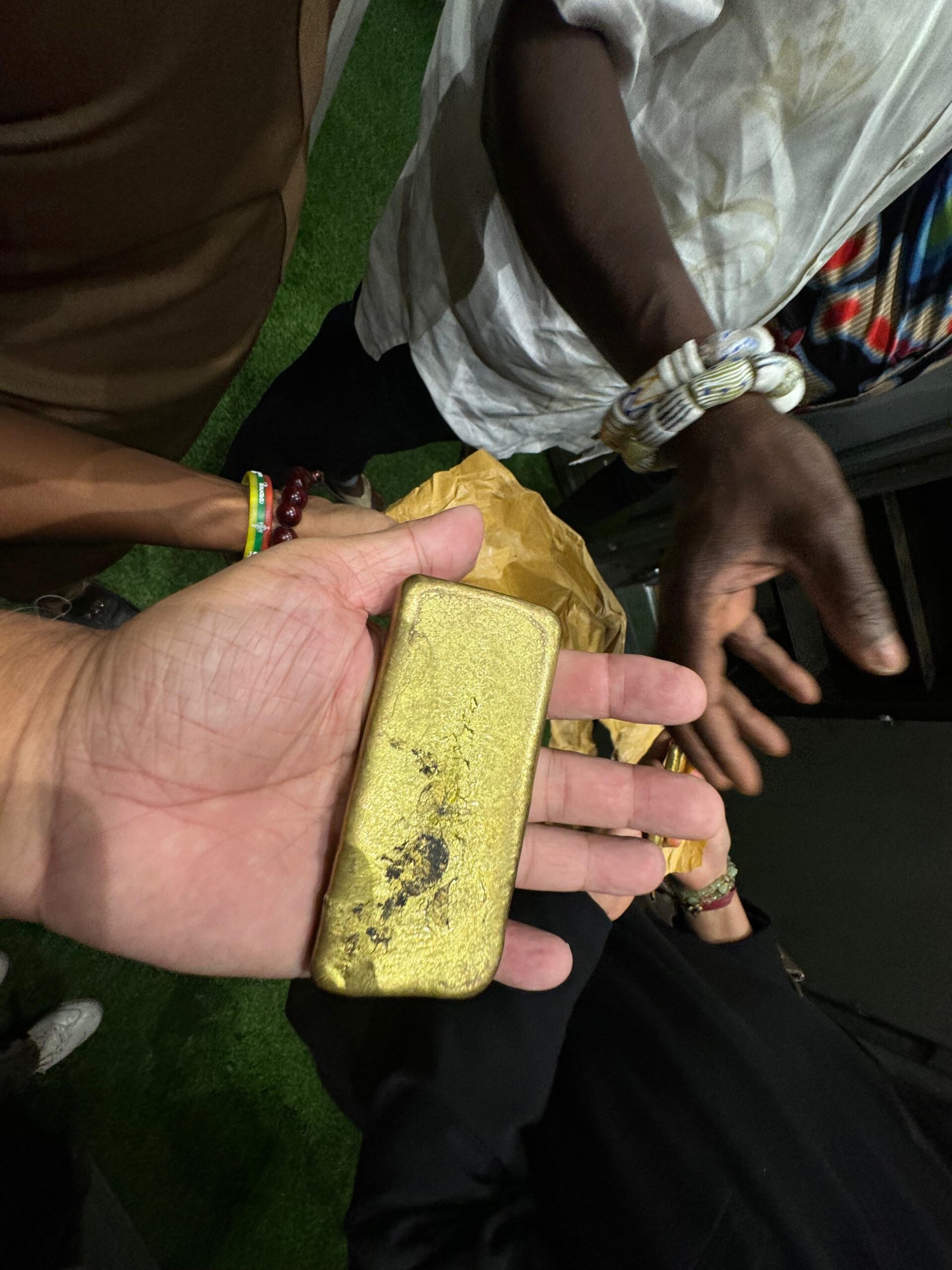
- Featured photo: Anonymous source in Ghana taken with personal camera