



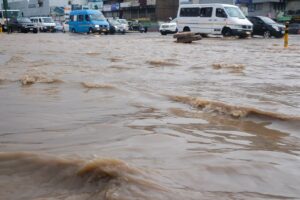

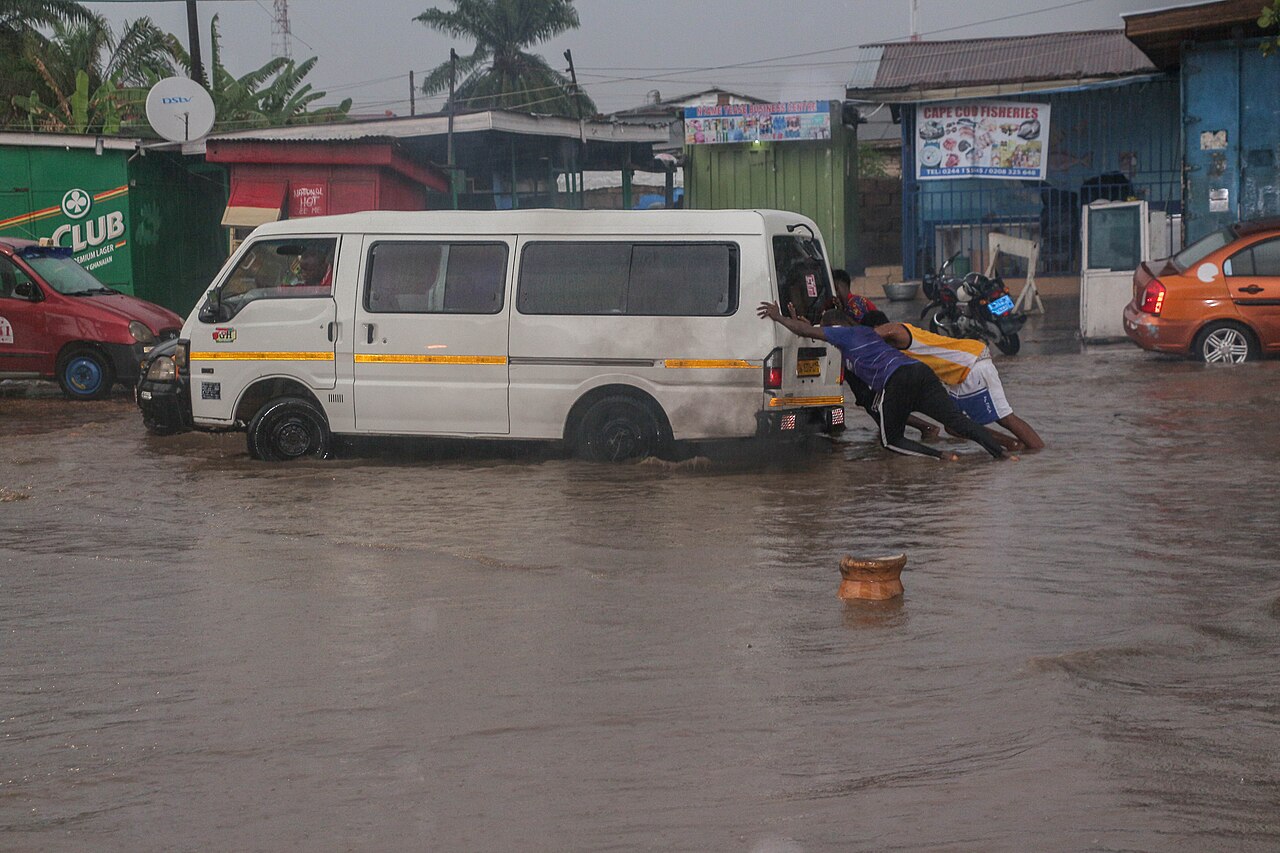
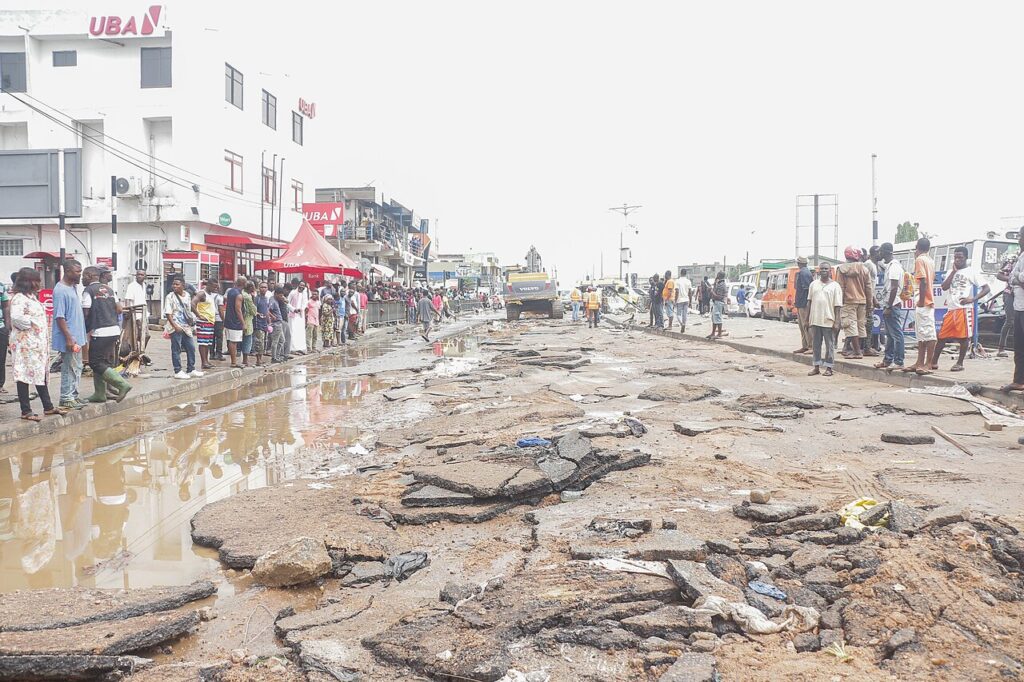
It’s the rainy season and floodwaters came fast. Again.
Heavy rains across parts of Ghana caused homes to be damaged and roads to disappear. Many families found themselves asking the same question they asked after previous disasters: how do we recover when we were already struggling to survive?
For many Ghanaians, flooding become part of life. In cities like Accra and in farming communities across the country, floods have repeatedly destroyed crops, homes, livestock, and small businesses. Experts warn that climate change is making the problem worse, with heavier rains and more unpredictable weather patterns now hitting West Africa.
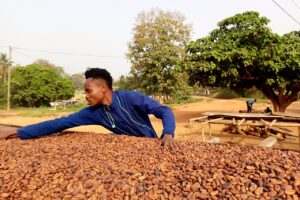
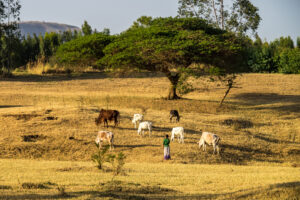
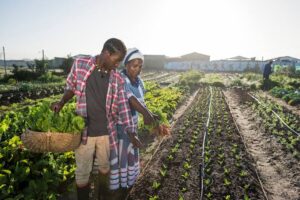
When floods wipe out maize, rice, millet, and vegetable farms, hunger follows. Food prices rise and farmers lose income. Families already living close to poverty are forced to skip meals, borrow money, or pull children out of school to help earn income. Ghana’s agriculture sector employs a large part of the population, meaning a bad farming season can quickly become a national economic problem.
Historically, Ghana’s governments have often reacted after disasters instead of before them. Following major floods in past years, including the deadly 2015 Accra floods that killed more than 200 people, officials promised better drainage systems, stronger city planning, and improved disaster response. Yet many drainage systems remain clogged, informal settlements continue expanding into flood-prone areas, and poor urban planning has left thousands vulnerable whenever the rains return.
But this time, there may be one small sign of progress.
In recent years, Ghana has started experimenting with climate insurance programs designed specifically for floods and droughts. Instead of waiting months for aid, these insurance systems are supposed to release emergency money quickly when disasters hit. Some programs focus on helping farmers recover lost crops before they fall deeper into poverty. Others are designed to help local governments distribute food, cash assistance, and rebuilding support immediately after floods.
The idea is that if disasters are becoming predictable, then financial protection should be predictable too.
For farmers, the situation remains complicated. Floods can destroy entire harvests in days. Livestock may drown or become sick. Stored food can rot. Roads become impassable, preventing crops from reaching markets. Yet floods can also leave behind nutrient-rich soil and refill water reserves needed for future planting seasons. Some agricultural experts say that if Ghana improves irrigation systems, drainage, and crop insurance, future rainy seasons could become less devastating and more manageable.
Still, many ordinary citizens remain skeptical.
Trust in government responses has been weakened by years of delayed aid, corruption scandals, and unfinished infrastructure projects. Some residents openly question why flood disasters continue repeating despite decades of warnings.
For now, many families are simply trying to survive another rainy season.
And as climate disasters grow more frequent across Africa, Ghana’s floods are becoming more than a local emergency. They are a warning about what happens when poverty, climate pressure, and weak infrastructure collide at the same time.
Featured photo: Fquasie, CC BY-SA 4.0 https://creativecommons.org/licenses/by-sa/4.0, via Wikimedia Commons