

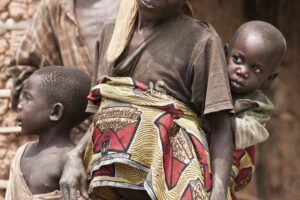



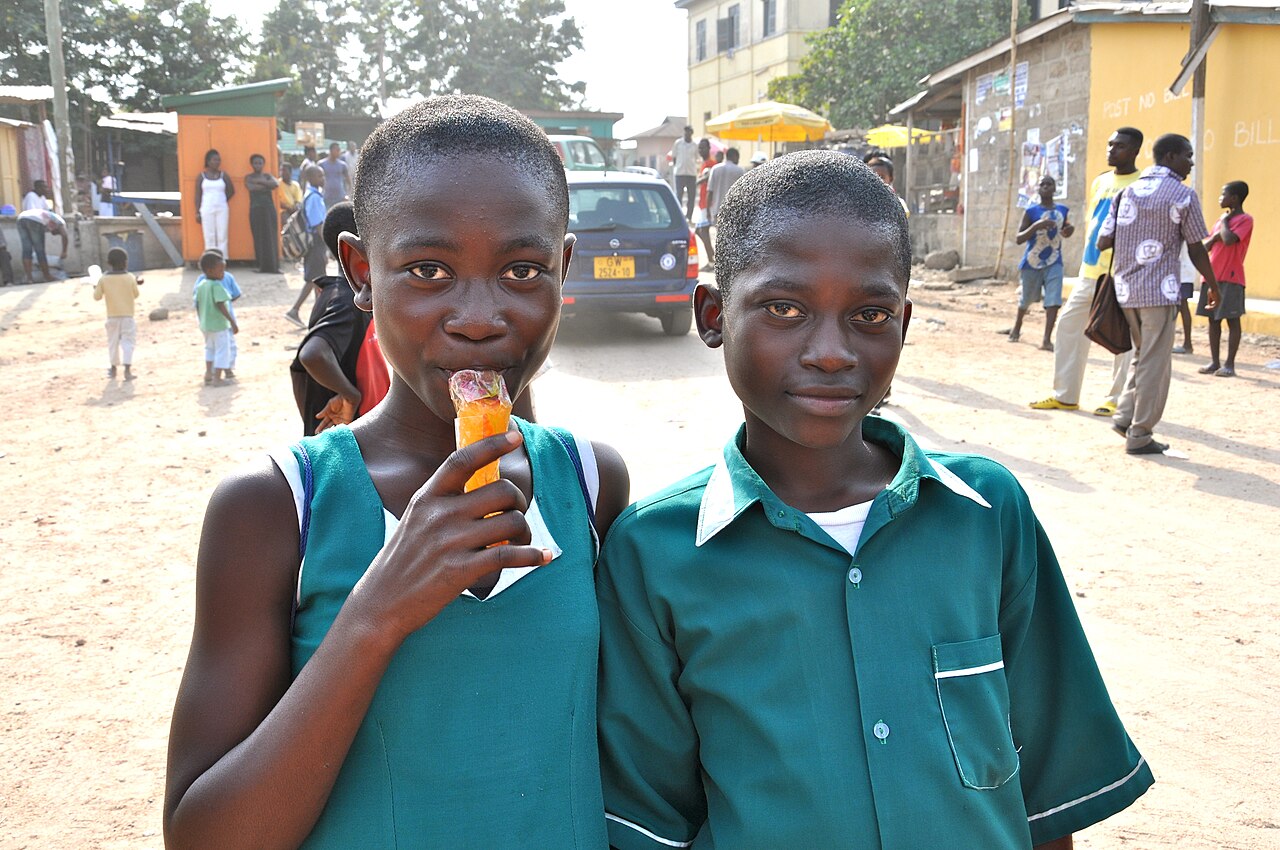
The sun had barely risen over Tamale when 13-year-old Mariama tied her school shoes and stepped onto the dusty road with her younger brother behind her. Sometimes Mariama stayed home to help her mom search for work or food and other days she went to school hungry.
Mariama still walks the same road, but thanks to a government support system, she knows there will be a meal waiting for her at school. She is in class more often, learning faster. And she is no longer thinking about hunger all day.
Across Ghana, this change is happening in many communities. One of the biggest reasons is the expansion of a government support system called LEAP, short for Livelihood Empowerment Against Poverty. It gives small cash payments to the poorest families so they can afford basic needs like food, soap, and school supplies.
Aisha was added to the program after a local community leader visited their area and recorded struggling households. The money she receives is not large, but it has helped her keep her children in school and buy food more regularly. “Before, I had to choose,” she says quietly. “Now I can breathe a little.”
Another major change is the school feeding program. It provides one meal a day for children in many public schools. Teachers say more students are attending regularly, and fewer are dropping out. For children like Mariama, it means the difference between learning and staying home hungry.
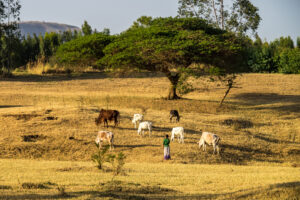
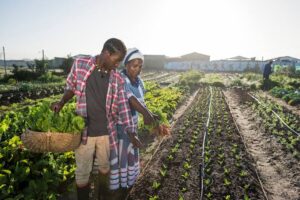
These programs grew out of years of effort to reduce poverty in Ghana. Over time, leaders realized that economic growth alone was not enough. Families needed direct support to survive difficult periods, especially in rural areas where jobs are scarce and food prices can rise quickly.
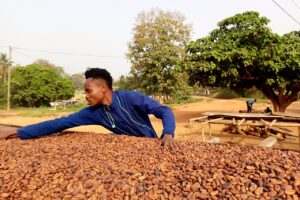
At the same time, Ghana has been working on broader changes to improve jobs and stability. Young people are being trained in trades like construction, tailoring, and agriculture so they can earn income instead of waiting for limited office jobs. In Accra, a young man named Kojo says this opportunity changed his life. After months of unemployment, he joined a training program and now earns predictable wages. He is now able to send money home to his family every week.
Money itself is also becoming easier to manage. More people are now using mobile money instead of cash, which helps them save small amounts safely and receive payments more easily. Market trader Abena says this has helped her business grow slowly. “Before, everything was hand to hand,” she says. “Now I can plan.”
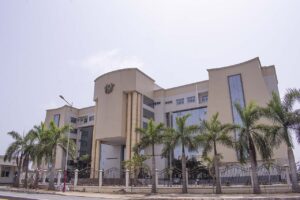
To access support like LEAP or job programs, families usually go through local district offices or community leaders who help identify those in need. Some rural areas have not implemented the programs and jobs are still not enough for everyone, while rising prices continue to put pressure on families.
But for many, like Mariana and Kojo, the situation today is better than it was just a few years ago.
For Mariama, the change is powerful. She has a guaranteed meal at school and can study without distraction. Now, she talks about becoming a teacher one day so she can help other children who once lived like she did.
In homes like hers, change can arrive one meal a day. These small changes are reshaping life for families across Ghana.
Featured photo attribution: USAID Africa Bureau, Public domain, via Wikimedia Commons