






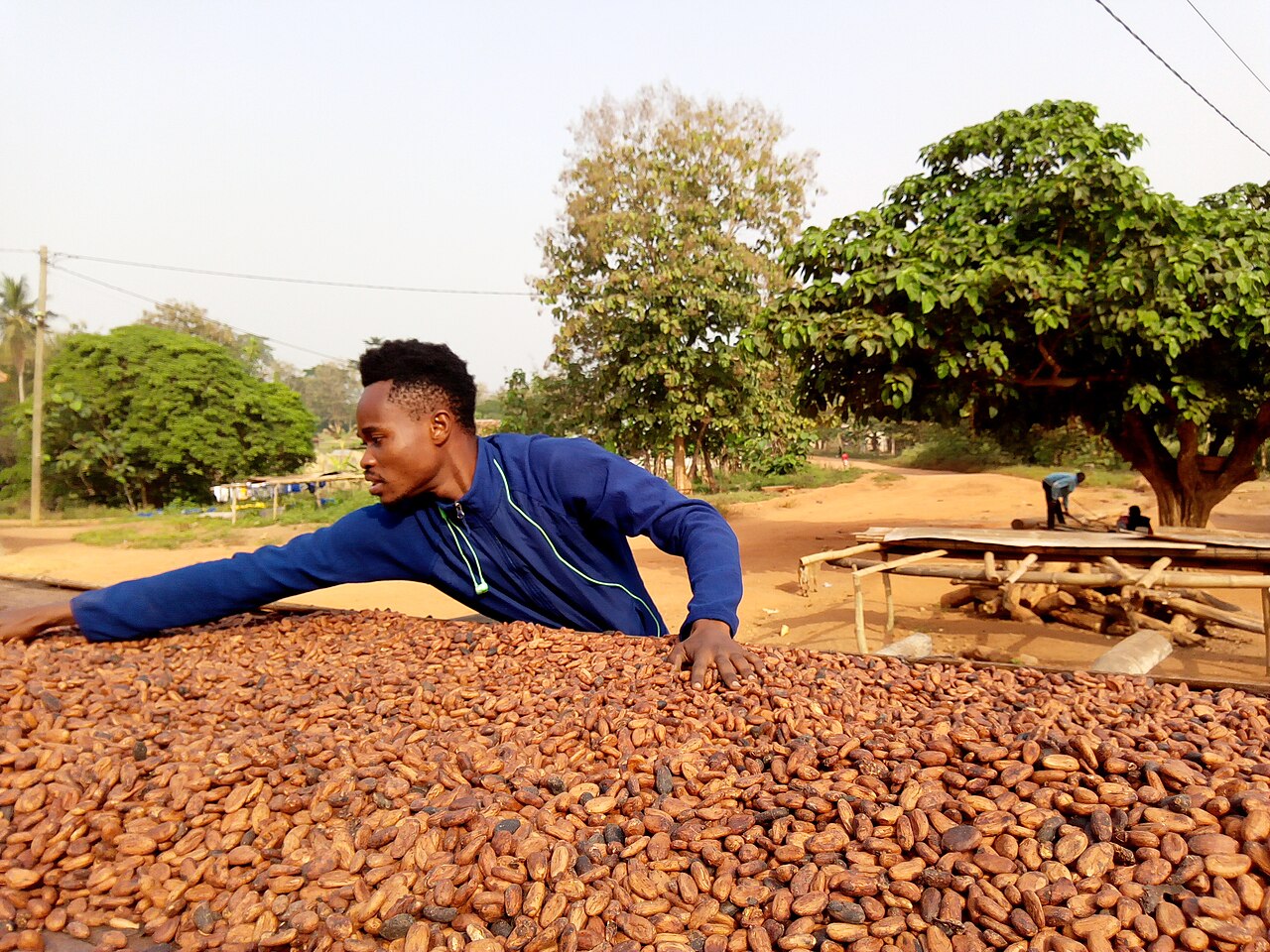
Chocolate is one of the world’s favorite treats, but few people stop to think about where it begins. More than 60% of the world’s cocoa is grown in Ghana and neighboring Côte d’Ivoire, yet the farmers who produce the beans often earn only a small fraction of the value of the chocolate sold in supermarkets around the world.
Today, cocoa farmers are facing one of their greatest challenges. Extreme heat, unpredictable rainfall, prolonged dry seasons, and crop diseases are reducing harvests across West Africa. Scientists and industry experts warn that climate change is making cocoa farming increasingly difficult, while aging trees and plant diseases continue to reduce production.
The result has been dramatic swings in global cocoa prices. After reaching record highs in 2024 because of poor harvests, prices have remained volatile as traders react to weather, supply shortages, and global demand. While higher world prices have increased the value of cocoa, many farmers continue to struggle because extreme heat, disease, and lower yields mean they have fewer cocoa beans to sell. Ghana’s government has responded by raising the official producer price to help ensure farmers receive a greater share of the international market value and to strengthen the long-term sustainability of the cocoa sector. Even so, many believe more investment is needed in climate-resilient farming, irrigation, and soil health to secure the future of cocoa production.
In Ghana, the government, through COCOBOD, has introduced improved seedlings, disease control programs, fertilizer support, and research into more climate-resilient cocoa varieties. At the same time, the sector faces financial pressures, prompting debates over farm-gate prices, support for growers, and the long-term sustainability of cocoa production.
Ironically, although Ghana is one of the world’s largest cocoa producers, most of its cocoa is exported as raw beans rather than being processed into chocolate at home. As a result, many Ghanaians have limited access to locally produced chocolate, while the highest profits are earned overseas by manufacturers, processors, and international confectionery brands. A farmer may receive only a small share of the final retail price of a chocolate bar, while companies involved in processing, branding, marketing, and retail capture most of the value.
Cocoa is used in far more than chocolate bars. It is found in hot chocolate, cakes, cookies, breakfast cereals, ice cream, chocolate spreads, desserts, beverages, cosmetics, and even some pharmaceutical products. Global demand continues to grow, making cocoa one of Africa’s most important agricultural exports.
The future of cocoa will depend on how quickly governments, researchers, and the private sector respond. Investing in healthier soils, drought-resistant cocoa varieties, irrigation, shade-grown farming, and local chocolate manufacturing could help farmers earn more while creating jobs across West Africa. Instead of exporting mostly raw beans, countries like Ghana have an opportunity to build stronger food industries that keep more of the value at home.
As temperatures continue to rise, the future of chocolate may depend on whether Africa’s cocoa farmers receive the support they need today. For millions of families across Ghana, cocoa is more than a crop—it is their livelihood, their community, and their future.
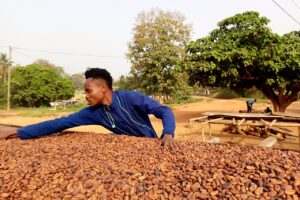
Featured photo: King Bangaba, CC BY-SA 4.0 https://creativecommons.org/licenses/by-sa/4.0, via Wikimedia Commons