





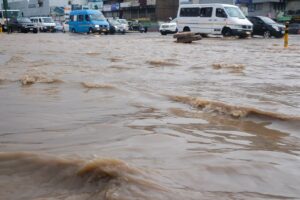

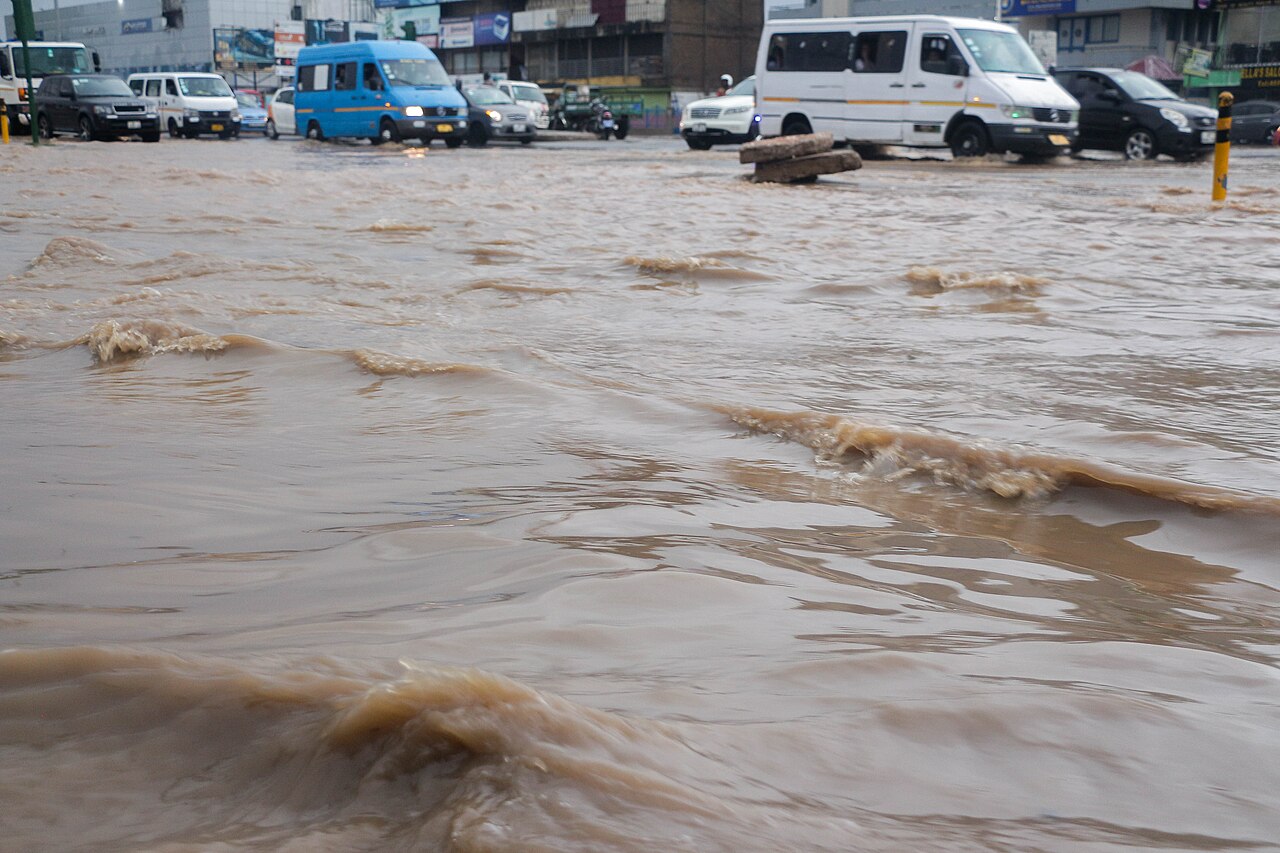
The devastating floods of June 29–30, 2026, left a trail of destruction across parts of Ghana, claiming lives, damaging homes, and bringing transportation to a standstill. Yet as the floodwaters recede, another crisis is beginning to emerge—one that could affect millions long after the headlines disappear.
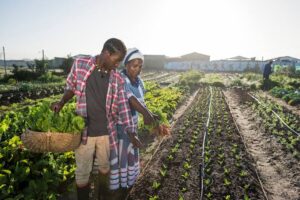
For Ghana’s farmers, the damage extends far beyond flooded fields. Fertile topsoil has been washed away, crops have been destroyed, and many producers now face the challenge of rebuilding with limited resources. Without immediate support, the next planting season could be severely affected, reducing food production and placing further strain on the nation’s food supply.
The consequences will not stop at the farm gate. Lower agricultural output often leads to rising food prices, making it more difficult for families to afford essential staples. At a time when many households are already facing economic pressure, another shock to food production could increase hunger and deepen food insecurity across the country.
Emergency recovery efforts must now shift toward agriculture. Farmers need access to quality seeds, fertilizer, soil restoration solutions, affordable financing, and technical support to restore productivity as quickly as possible. Rebuilding Ghana’s soils is just as important as rebuilding its roads and bridges.
This is not the first time Ghana has experienced devastating floods, and it is unlikely to be the last. The country now has an opportunity to strengthen its resilience by investing in improved drainage systems, flood-resistant infrastructure, healthier soils, and climate-smart farming practices that can better withstand extreme weather.
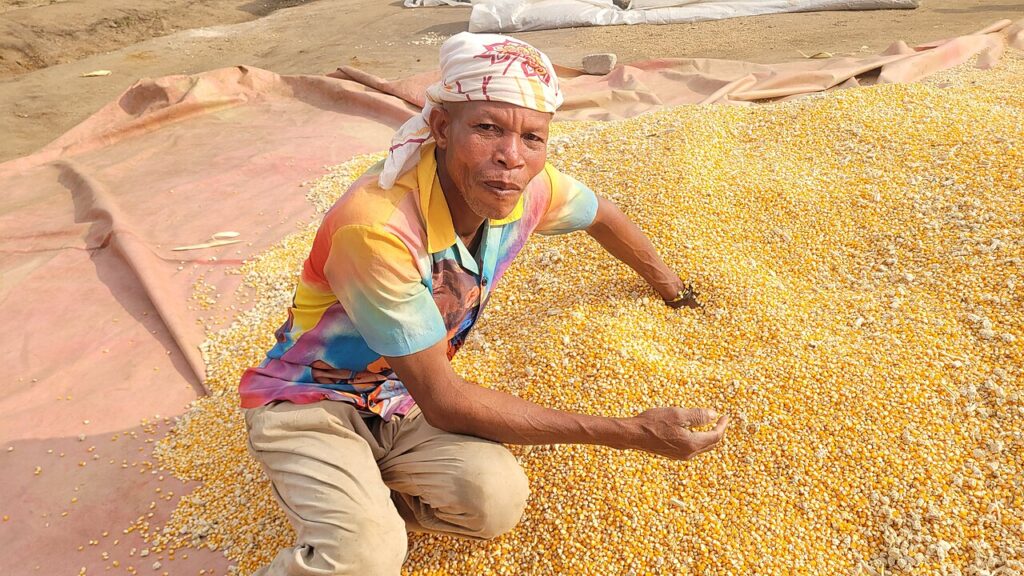
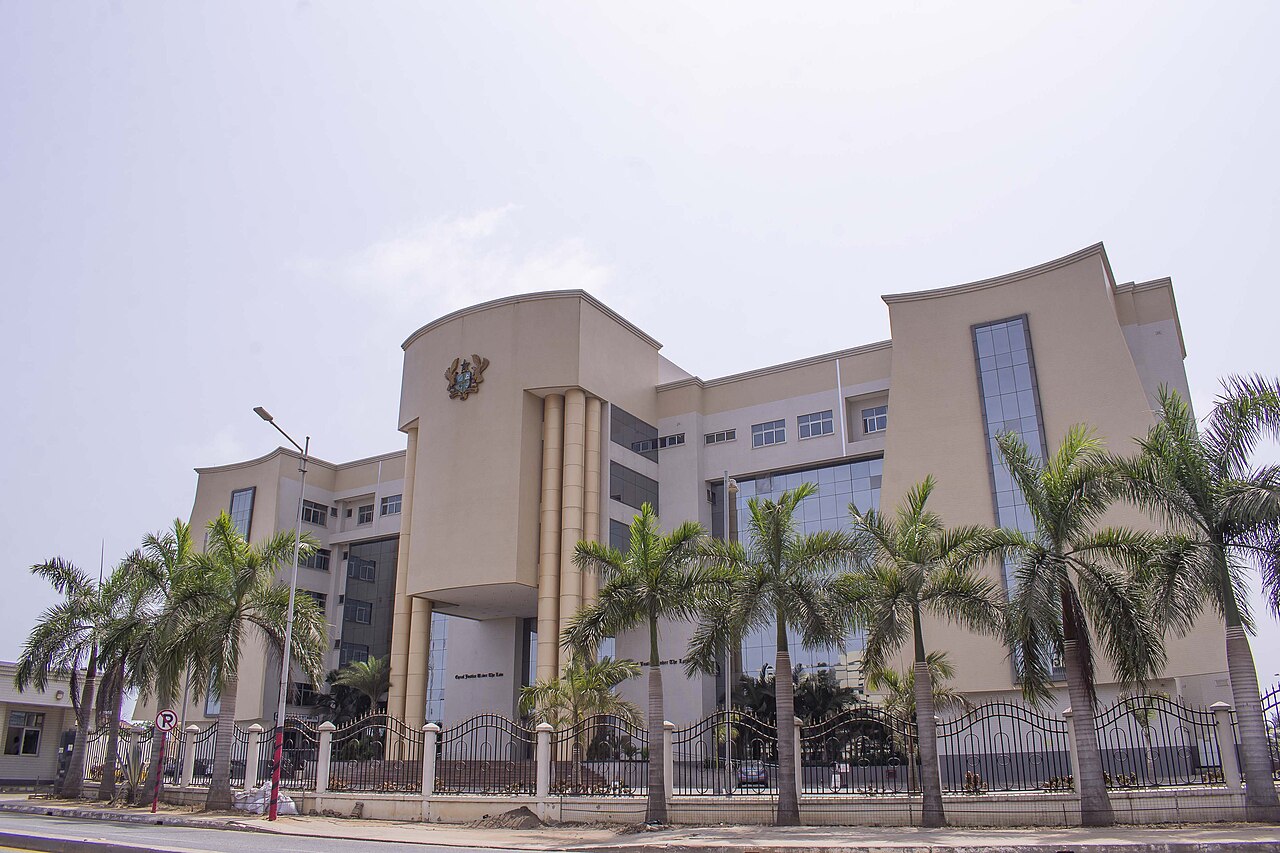
Photo: Pascal Kings, CC BY-SA 4.0 https://creativecommons.org/licenses/by-sa/4.0, via Wikimedia Commons
Across Africa, climate-related disasters are becoming more frequent, making long-term agricultural resilience an urgent priority. Healthy soils, better water management, emergency preparedness, and support for farmers will be essential to protecting the continent’s future food security.
The floodwaters may disappear within days, but without decisive action, the effects on agriculture, food prices, and hunger could be felt for years. Ghana’s recovery must begin with its farmers—because rebuilding agriculture is the first step toward rebuilding the nation.
Featured photo: Fquasie, CC BY-SA 4.0 https://creativecommons.org/licenses/by-sa/4.0, via Wikimedia Commons