







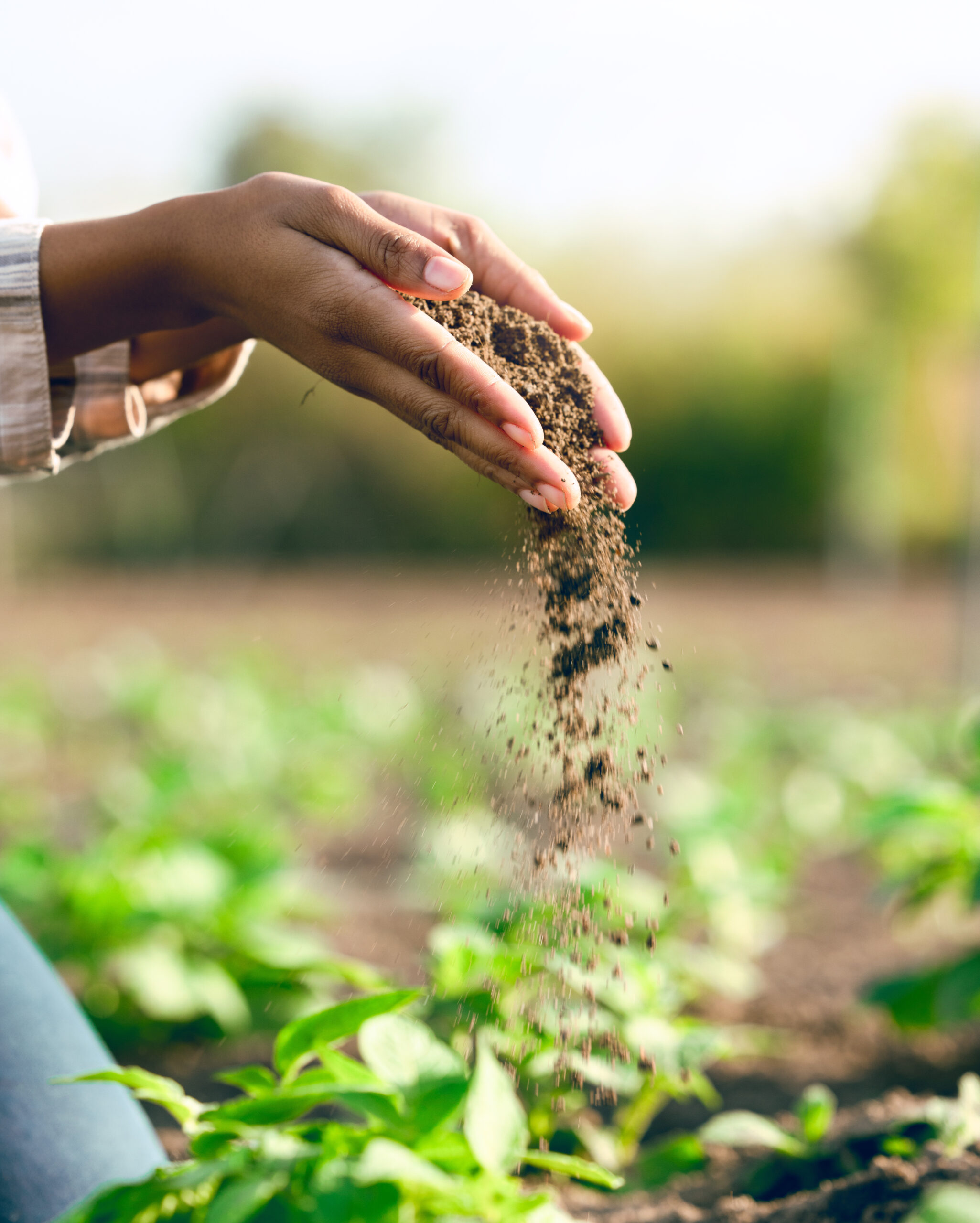
Why the Next Agricultural Revolution May Be About Nutrition — Not Just Yield
For much of modern history, the success of agriculture has been measured by one thing: How much food can be produced.
Since the 1940s, synthetic fertilizers such as urea and NPK (Nitrogen, Phosphorus, and Potassium) helped transform global farming. They dramatically increased crop yields and supported the rapid expansion of industrial agriculture across the world.
Following World War II, agriculture rapidly transformed into a highly industrialized system built around synthetic chemical fertilizers, mechanized farming equipment, monocropping practices, pesticide use, and large-scale production models designed to maximize crop yields and feed rapidly growing populations around the world.
This agricultural revolution helped feed billions of people and played a major role in reducing famine in many regions.
Yet decades later, a growing number of scientists, farmers, nutrition advocates, and regenerative agriculture leaders are asking a difficult question:
Is producing more food enough if the food itself is losing nutritional quality?
The Debate Around Modern Agriculture
Today, the world still faces major hunger and nutrition challenges.
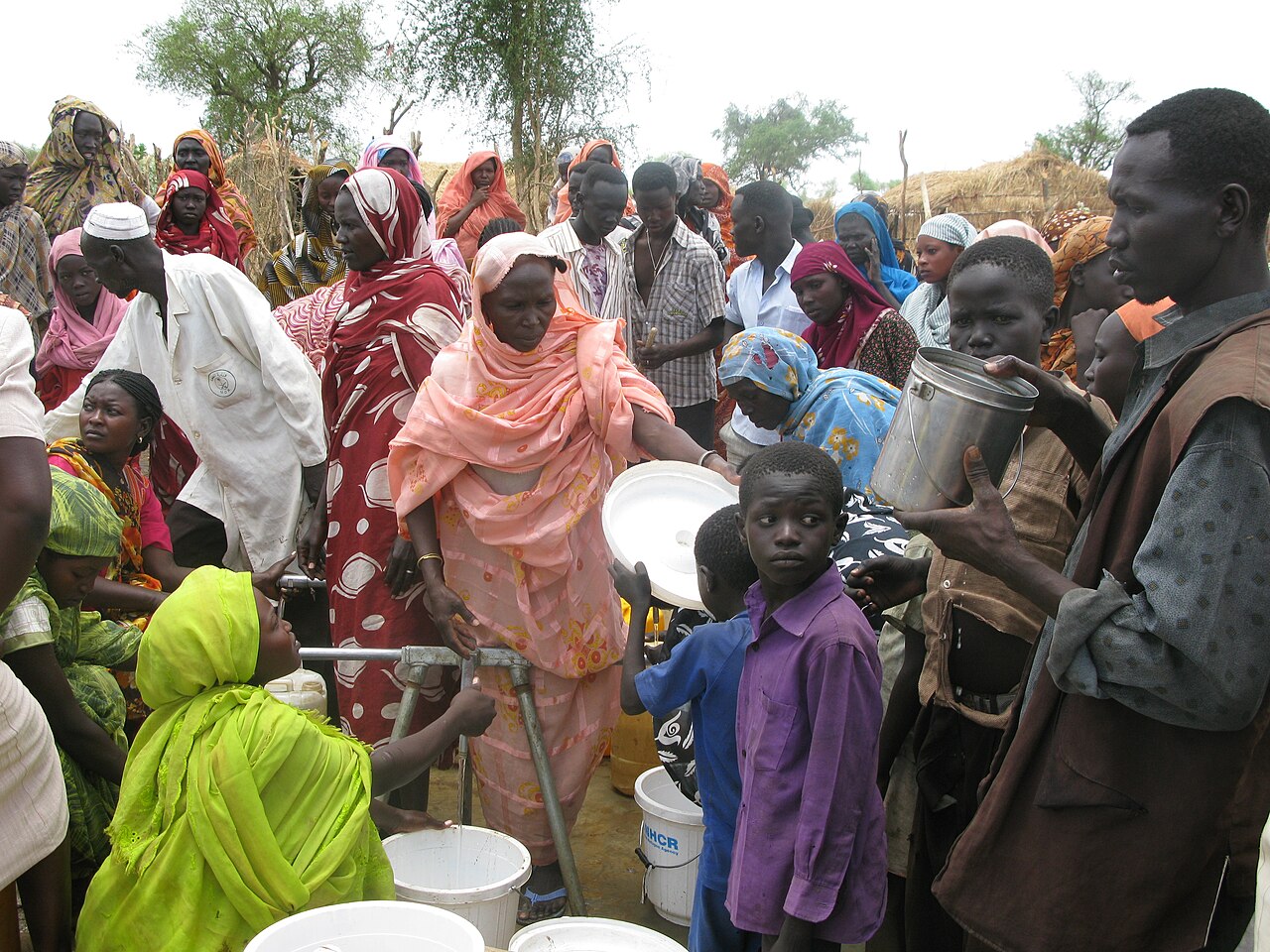
According to the United Nations and FAO, approximately 673 million people experienced hunger in 2024, while billions more struggle to afford healthy diets. Hunger has improved in some regions but continues rising in parts of Africa and Western Asia.
At the same time, health concerns including diabetes, obesity, micronutrient deficiencies, and malnutrition, continue to increase globally.
Many experts point to multiple causes including processed food consumption, sugar-heavy diets, poverty, lack of food access, sedentary lifestyles and declining dietary diversity.
However, another growing debate centers around soil health and nutrient density in agriculture.
From Living Soil to Chemical Dependency?
Critics of intensive chemical farming argue that decades of heavy synthetic fertilizer use may gradually weaken soil biology and reduce mineral diversity in farmland.
Beginning in the 1940s and accelerating through the Green Revolution, agriculture increasingly depended on synthetic nitrogen fertilizers such as urea.
These systems were highly effective at stimulating rapid plant growth and increasing yields.
But regenerative agriculture advocates argue that over time soils became depleted of organic matter, microbial ecosystems weakened and farming systems became increasingly dependent on external chemical inputs.
The result, they say, is a system capable of producing large quantities of food — but not always the healthiest or most nutrient-dense food possible.
This remains an active scientific and agricultural debate.
Some studies suggest certain crops today may contain lower concentrations of some minerals compared to historical averages, while others argue that modern agriculture remains essential for feeding a growing population.
The Rise of Regenerative Agriculture
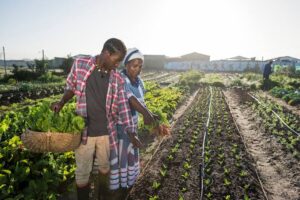
In response to growing concerns surrounding soil depletion, food quality, and long-term agricultural sustainability, regenerative agriculture has emerged as one of the fastest-growing movements in modern farming. Rather than focusing solely on maximizing crop output, regenerative systems aim to rebuild soil biology, restore mineral balance, improve water retention, increase biodiversity, and support long-term soil vitality. Many regenerative farmers believe healthy food begins with healthy soil, and this philosophy has sparked renewed interest in compost systems, cover cropping, biological farming methods, carbon-rich soil programs, and soil remineralization practices designed to restore life back into agricultural land.
What Are Soil Remineralizers?
Soil remineralizers are mineral-rich agricultural inputs designed to help restore trace minerals and geological diversity back into depleted farmland.
Remineralization is proven to improve soil structure, support microbial activity, enhance nutrient efficiency, and contribute to healthier crop systems.
The structure is as follows: Healthy Soil → Healthy Crops → Healthy Food → Healthy Communities
Beyond Importing Food: Building Food Independence
For African nations especially, the conversation around agriculture is evolving rapidly.
For decades, many countries have relied heavily on imported food commodities such as rice, wheat, and fertilizers.
Now, some agricultural entrepreneurs are asking:
What if Africa could build healthier and more self-sustaining food systems from the soil upward?
For decades, many African countries have depended heavily on imported food commodities, imported fertilizer, and outside agricultural systems to feed growing populations. But now a different conversation is beginning to take place across parts of the continent — one centered around healthier soil, stronger local farming, and greater food independence.
One company stepping into that conversation is Jasminica. This Ghana based essential food provider is now looking beyond simply moving food across borders. Its new focus is helping farmers, distributors, and agricultural partners explore regenerative farming methods and soil remineralization systems that may help improve local food production and long-term soil health.
The idea is not only to bring food into Africa, but to help create conditions where healthier food can increasingly be grown within Africa itself. Supporters of regenerative agriculture believe rebuilding depleted soils, improving mineral balance, and reducing long-term chemical dependency may become an important part of the continent’s agricultural future.
The Future of Agriculture
Modern agriculture successfully increased global food production.
But many believe the next agricultural challenge is different.
The future may not simply be about producing more calories. It may be about producing healthier food, stronger soils, more resilient farms, and sustainable agricultural systems capable of feeding future generations without exhausting the land itself.
For regenerative agriculture advocates, the answer begins beneath our feet.
In the soil.