











In the crowded streets of Lagos, a young man holds a university diploma in one hand and a phone in the other as he waits for his next ride request. “I studied economics but I’m an Uber driver,” he says. His story is not unusual. Across Africa, young people with education and ambition are working just to survive, while the steady jobs they hoped for remain out of reach.
The World Bank says Sub-Saharan Africa’s economy may rise by 3.5 percent in 2025. On paper, the growth looks solid. But it has not created enough work for the people who need it most.
The International Monetary Fund says Sub-Saharan Africa will need 15 million new jobs each year to keep pace with a fast-growing workforce. By 2030, half of all new entrants into the global labour market will come from this region. Yet millions remain unemployed or underemployed.
Official figures put youth unemployment at 8.9 percent. But these statistics hide a bigger problem: most young Africans work in the informal sector. The International Labour Organization reports that seven in ten young adult workers are in insecure jobs without stability, pay, or protection.
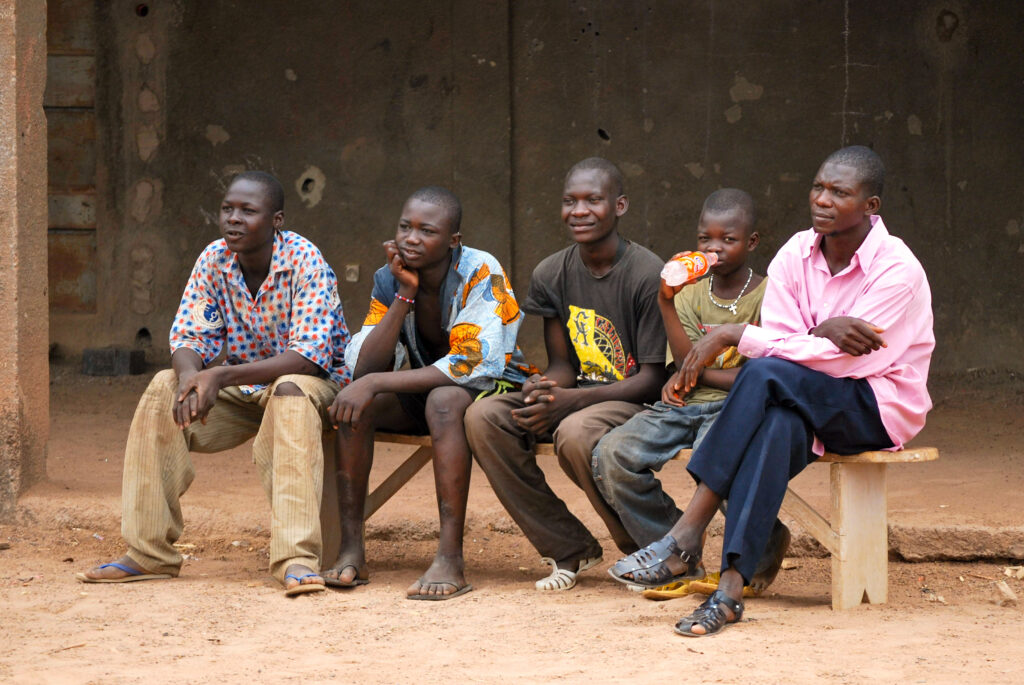
In South Africa the situation is the most severe. Overall unemployment is nearly 32 percent. For youth aged 15–24, the jobless rate is close to 60 percent.
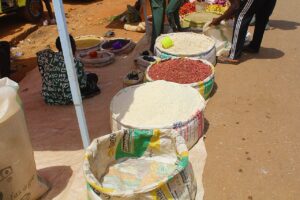
Kenya’s youth unemployment rate was 11.9 percent in 2024. But many more survive through informal hustles: boda-boda driving, street vending, gig work. These bring daily cash but no future security.
In Nigeria, official data records youth unemployment at 6.5 percent, but some experts say this is far too low. Independent estimates put joblessness closer to one in three young people, with many others stuck in unstable work.
Rwanda and Senegal show lower rates at 17.5 percent and 4.1 percent, but here too stable jobs are scarce. A degree does not guarantee a career.
This gap between growth and jobs is not just about money. It is about politics too. In Morocco and Kenya, youth-led protests have pushed governments to answer for weak job creation and rising living costs. Reports warn that if jobs do not come, this type of unrest may spread.
Surveys also show that many young people prefer to avoid heavy labour such as farm work or factory line jobs. An OECD study found that less than two percent of students in ten African countries aspired to agricultural work and only one percent to industrial labour, while more than eighty percent dreamed of high-skilled roles in offices or the public sector. Afrobarometer reports add that youth are more educated than older generations but less likely to hold stable jobs. The problem is not only preference but the poor pay and insecurity in hard labour sectors. Young Africans want work that offers a future, not just survival.
When millions of young people have no steady income, families eat less and skip meals. School feeding programs, health care, and food security plans all depend on jobs that bring money home. A paycheck means food on the table and stability in the market. Without it, hunger spreads even in years when crops and trade are strong.

Africa is the youngest continent in the world, with a median age around 19. Its youth are ambitious and connected. Growth is real. But growth alone is not enough. If it does not create work that feeds families and builds futures, it risks leaving a generation behind.
Leaders must decide if growth will become jobs that fight poverty and hunger, or if the numbers will rise while young hands remain idle.
Sources
- World Bank: https://www.worldbank.org/en/region/afr/overview
- IMF: https://www.imf.org/en/Blogs/Articles/2024/11/12/the-clock-is-ticking-on-sub-saharan-africas-urgent-job-creation-challenge
- ILO: https://www.ilo.org/sites/default/files/2024-08/Sub-Saharan%20Africa%20GET%20Youth%202024_0.pdf
- Stats SA (South Africa Q4 2024): https://www.statssa.gov.za/publications/P0211/Presentation%20QLFS%20Q4%202024.pdf
- FRED (Kenya youth unemployment): https://fred.stlouisfed.org/series/SLUEM1524ZSKEN
- Afrobarometer (Nigeria youth): https://www.afrobarometer.org/wp-content/uploads/2025/06/AD998-Nigerian-youth-want-government-action-on-jobs-and-cost-of-living-Afrobarometer-16june25.pdf
- African Liberty (Nigeria estimates): https://www.africanliberty.org/2024/12/11/nigeria-in-crisis-due-to-youth-unemployment
- Macrotrends (Rwanda, Senegal): https://www.macrotrends.net/global-metrics/countries/RWA/rwanda/youth-unemployment-rate and https://www.macrotrends.net/datasets/global-metrics/countries/sen/senegal/youth-unemployment-rate
- UN Population Division: https://population.un.org/wpp
- OECD (Youth aspirations report): https://www.oecd.org/en/publications/2021/03/youth-aspirations-and-the-reality-of-jobs-in-africa_4b0b8753.html