









Across the country people are asking the same question in their homes, shops, schools and hospitals. Bills keep rising, yet the lights still go out. Families stretch money that no longer stretches. Teachers cancel lessons when fans stop turning. Nurses work by phone-light. Shop owners burn fuel to keep their freezers cold. It has reached the point where the frustration is no longer about inconvenience. It is about fairness.
Electricity costs more each month, but service grows worse. Outages last longer. Voltage drops ruin refrigerators and freezers. Schools lose teaching hours when the current slips. Clinics postpone simple procedures. From Takoradi to Kumasi, Cape Coast to Accra, the story is the same. Households feel it at the meter. Businesses feel it when the generator starts. Everywhere, people ask the same question: Why is Ghana paying more while receiving less?
Greed is the first explanation many turn to. But the truth is larger, older, and more expensive than any single motive. Nearly one quarter of all electricity generated in Ghana never reaches the customer. Technical and commercial losses stand at roughly 24 percent, and some estimates now place total losses above 30 percent in certain districts. Power vanishes through outdated lines, overloaded transformers, weak metering, and revenue that is never collected. This missing electricity is not absorbed by the system. It is transferred into tariffs and paid for by the public every month.
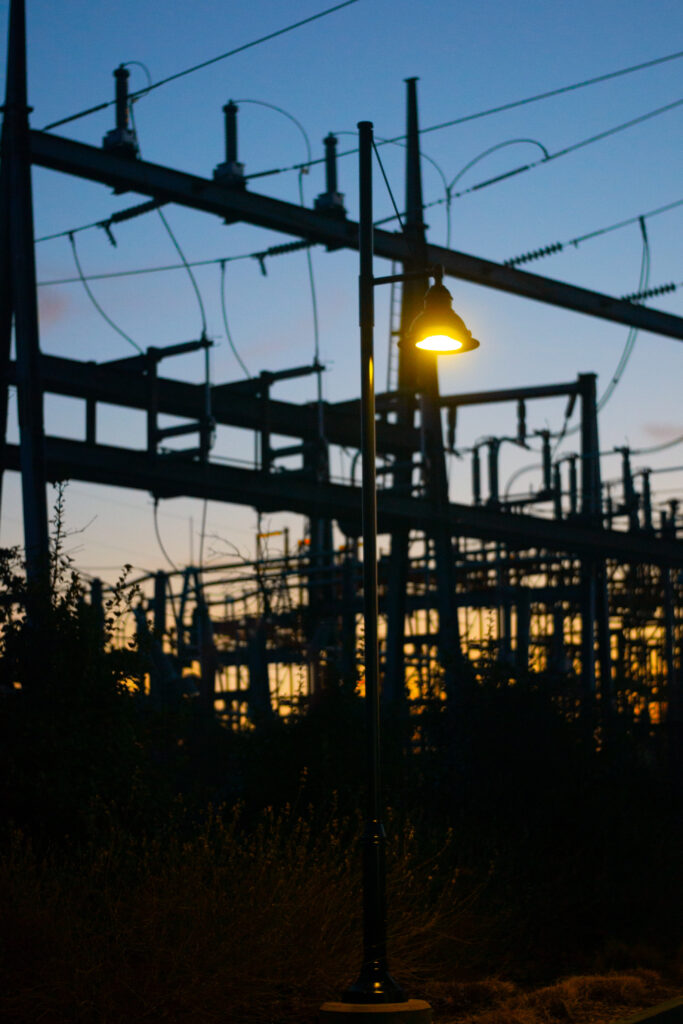
These losses already push prices up before fuel costs, debts, or global shocks enter the picture. Once they do, the pressure becomes heavier. Ghana relies heavily on thermal plants that depend on purchased fuel. When international prices rise or supply contracts lag, the cost of every kilowatt increases. At the same time, power producers are owed more than 1.8 billion dollars in arrears. Independent producers respond by raising capacity charges to protect themselves from financial risk. Those charges again find their way into the tariffs people pay.
This is why many Ghanaians struggle to understand something that feels upside-down. As the country spends more, the service grows weaker. Lines built for smaller populations now carry loads far beyond their design. Demand grows faster than new distribution equipment is installed. Voltage fluctuates. Breakers trip. Transform ers overload. Outages ripple through both urban and rural regions.
Many are frustrated that cheaper solutions exist and have been proven across Africa. Renewable energy is now one of the lowest-cost sources of electricity worldwide. Yet Ghana’s renewable share hovers at around one percent. Meanwhile, countries which are at their earlier stages of economic development: Kenya, Rwanda and Ethiopia, have already expanded cheaper power with more reliability.
Kenya invested in geothermal energy which now represents nearly half of its electricity mix. This cut its dependence on fuel and kept long-term costs stable. Rwanda reduced technical and commercial losses from about 23 percent a decade ago to roughly 15 percent today, while bringing in small solar plants and improving revenue collection. Ethiopia scaled hydropower and grid expansion earlier and now pays some of the lowest electricity tariffs on the continent. None of these countries solved every problem, but they proved that cost and reliability can improve together when the system runs efficiently.
Ghana can learn from these examples, but the first and most urgent task is internal. Loss reduction must come before anything else. Every percentage point of recovered electricity reduces pressure on tariffs. Upgraded lines, modern metering, transformer replacement, and strict revenue recovery could deliver visible improvements within months, not years. Some plans already appear in policy documents, but progress remains slow and uneven. A few solar projects are under discussion, and grid expansion efforts exist, but they trail far behind the pace of rising demand.
Short-term relief depends on practical steps: repairing overloaded feeders, stopping illegal connections, replacing the oldest lines, improving collections, and clearing part of the financial arrears that keep producers on edge. Long-term stability requires expansion of cheaper renewable capacity, transparent cost accounting, and a regulatory environment that protects both consumers and producers without forcing losses onto the public.
So what can be done now, not five years from now. The biggest relief will come from cutting losses. When a nation loses nearly a quarter of its power before it reaches the customer, every improvement matters. Replacing the oldest lines, installing modern metering, tightening revenue collection and enforcing accountability can recover millions of dollars worth of electricity each year. This is not theory. It is already happening in pieces. New metering pilots are reducing illegal connections. The national utility has begun targeted upgrades in several districts. But progress is slow and must accelerate to match the scale of the problem.
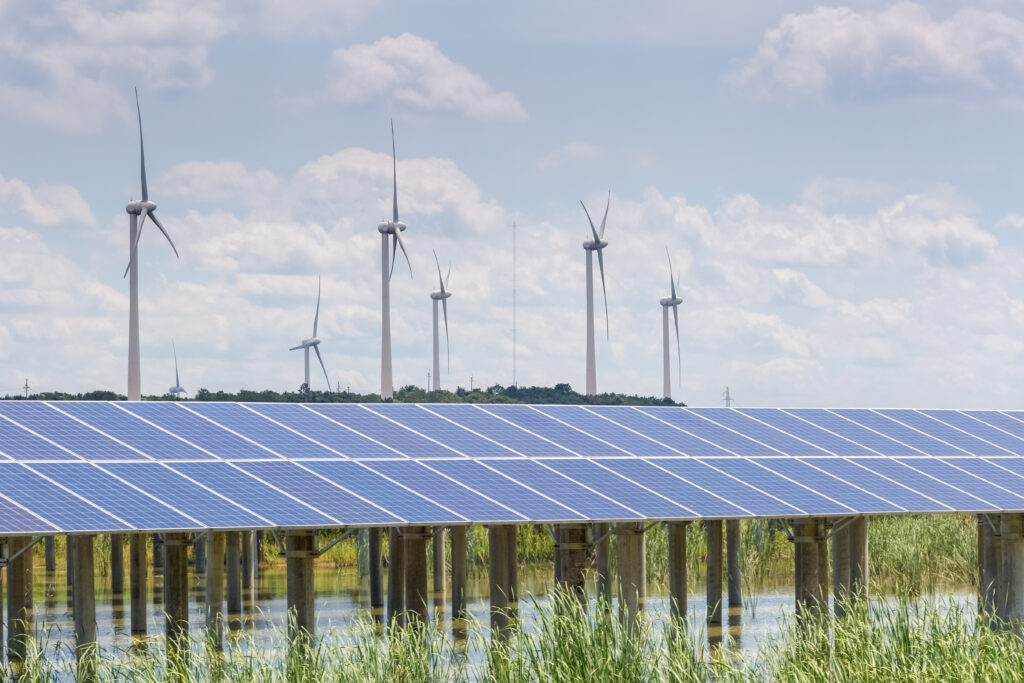
Cheaper generation must also enter the system faster. Solar and wind are now some of the lowest-cost sources of electricity in the world. Countries with similar incomes are proving it can work. Ghana’s west, north and coastal areas have strong solar potential. Bringing even a modest number of these projects online would reduce fuel costs and ease pressure on tariffs. It is not a cure-all, but it is a start.
Ghanaians cannot fix the grid themselves but they have a role. Public pressure is already rising. People are asking where the money goes, why upgrades are delayed, and who is responsible for meeting targets. These are healthy questions in any democracy. When asked widely enough, they force action. They force transparency. And they create the environment in which large reforms become unavoidable.
Ghana has the engineers, the expertise, and the regional partnerships to solve this. What it needs now is the will to correct the system that drains both money and patience. The country has seen harder problems in its history and has overcome them. It can do so again. But for now the truth stands. People are paying more for less power. And they deserve to know why.
Source
World Bank – West Africa regional power improvements
https://projects.worldbank.org/en/results/2025/02/06/powering-africa-the-transformational-impact-of-regional-energy-projects-in-west-africa
The Citizen – Africa seeing declining power costs due to renewables
https://www.thecitizen.co.tz/tanzania/magazines/africa-sees-drop-in-power-costs-as-renewable-energy-scales-up–5146328
IRENA – Renewable Energy Transition in Africa
https://www.irena.org/-/media/Files/IRENA/Agency/Publication/2021/March/Renewable-Energy-Transition-Africa_Country_Studies_2021.pdf
International Energy Agency – Financing Electricity Access in Africa
https://www.iea.org/reports/financing-electricity-access-in-africa/executive-summary
Africa Energy Portal – Impacts of Electricity Pricing
https://africa-energy-portal.org/blogs/assessing-impacts-electricity-pricing-poverty-reduction-africa
DNV – Cost of capital for green megawatts in Sub-Saharan Africa
https://www.dnv.com/energy-transition/costly-capital-money-for-green-megawatts-in-sub-saharan-africa/
ACEP – Ghana power sector losses report
https://acep.africa/wp-content/uploads/2024/03/From-Generation-to-Distribution-Investigating-Ghanas-Power-Sectors-Value-Chain-and-its-Implications-for-Reliable-Affordable-and-Clean-Energy-Supply.pdf
JoyNews – ECG power sale losses reach record levels
https://www.myjoyonline.com/ecg-power-sale-losses-hit-32-highest-in-over-two-decades-energy-commission/
RES4Africa – Regulatory Review of Ghana’s Electricity Market
https://res4africa.org/wp-content/uploads/2023/04/RegulatoryReviewofElectricitySectorinGhana.pdf
Eastleigh Voice – Electricity price comparison Kenya vs Ethiopia
https://eastleighvoice.co.ke/business/133392/kenyans-pay-more-for-electricity-than-tanzania-ethiopia-parliamentary-budget-office