




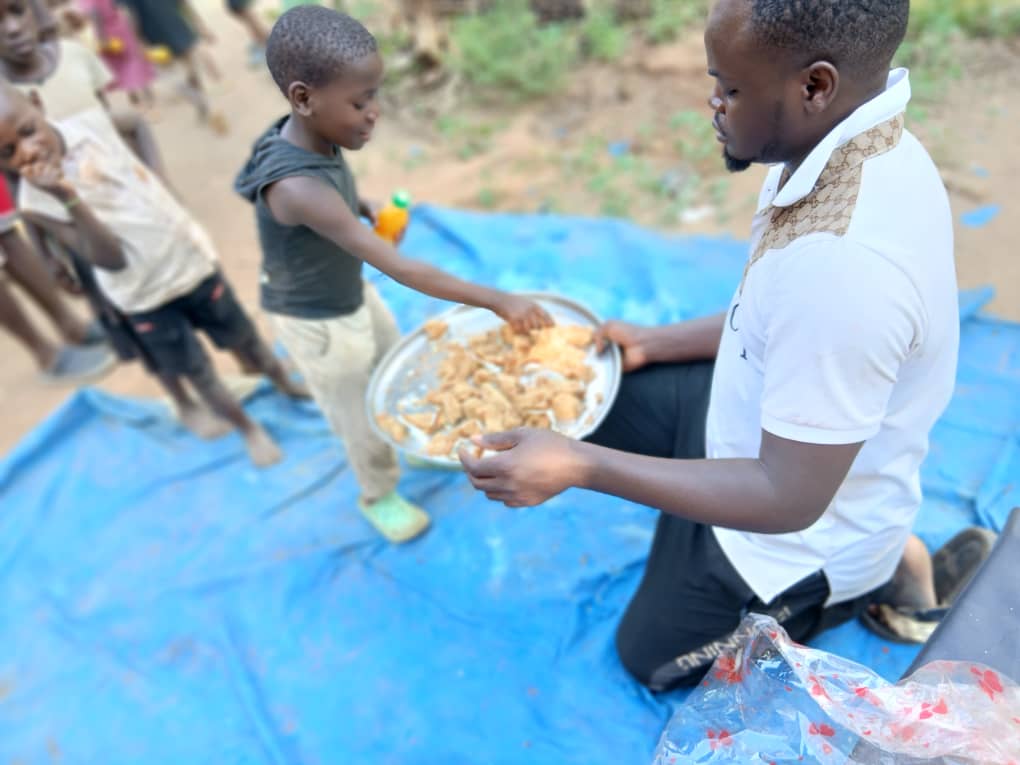
Malnutrition is often discussed as a lack of food. In reality, it is a collapse of systems inside the body. Vitamins, minerals, electrolytes, and energy stores fall out of balance long before starvation becomes visible.
When food disappears, people ask a practical question. What can the human body still absorb naturally, and what it can not?
The answer is limited, and it matters.
Sunlight: the only true non food vitamin source
Sunlight allows the body to produce vitamin D through the skin. This is the only essential nutrient humans can reliably generate without eating.
According to the World Health Organization, vitamin D is critical for bone health, immune function, and muscle strength. Deficiency increases the risk of infections and fractures, particularly in already weakened populations.
Sunlight helps slow decline. It does not provide calories, protein, or most micronutrients.
Water: survival, not nutrition
Clean water is essential to life, but it does not feed the body. What it does do is prevent rapid electrolyte collapse.
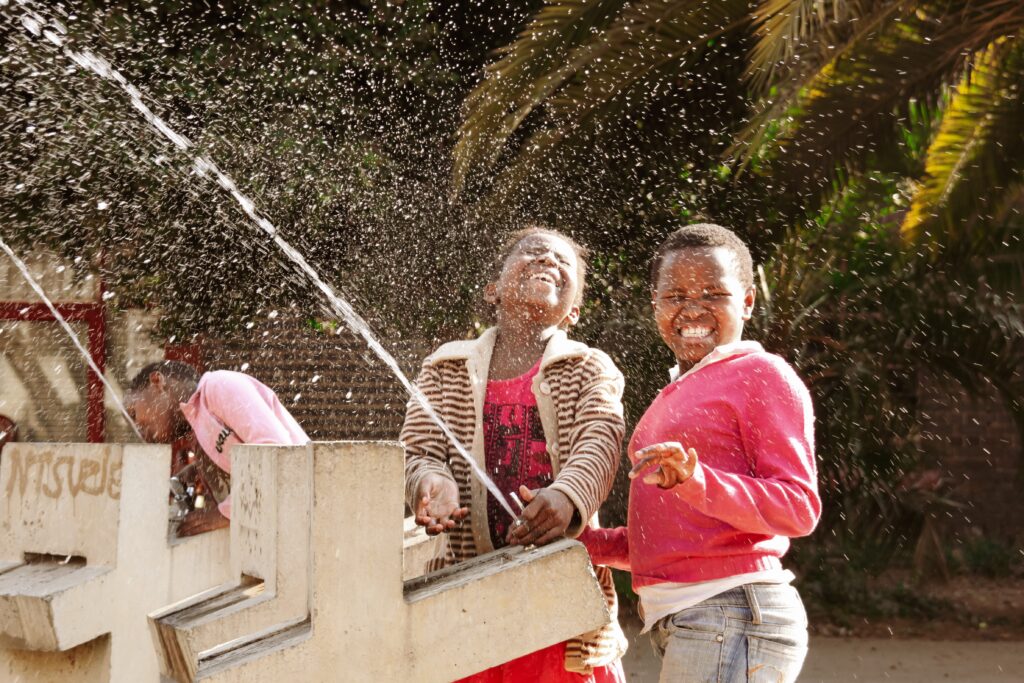
The WHO defines malnutrition as deficiencies or imbalances in energy and nutrients. Dehydration accelerates those imbalances by flushing sodium, potassium, and magnesium out of the body. In severe cases, this leads to heart rhythm disturbances, confusion, and collapse.
Water sustains circulation but it does not stop malnutrition.
Trace minerals: small inputs, real effects
In humanitarian nutrition research, experts emphasize that even small amounts of minerals can stabilize the body temporarily.
The Harvard T.H. Chan School of Public Health reports that billions of people worldwide consume inadequate levels of essential micronutrients, including iron, calcium, and vitamin C. These deficiencies weaken immunity, impair growth, and increase mortality risk.
In food scarce settings, trace sources may include mineral rich water, small amounts of salt, or plant based infusions such as nettle or moringa tea. These provide micronutrients in minimal quantities. They are not substitutes for meals.
What experts agree does not work
Nutrition science is clear on what cannot replace food.
Sunlight cannot provide energy and herbal remedies cannot replace protein. Fasting worsens outcomes once malnutrition begins while physical exertion accelerates nutrient depletion.
UNICEF warns that malnutrition is not only a dietary issue but a rights issue. Children and adults cannot recover without access to adequate food, especially protein and fats needed for organ repair.
The danger of refeeding without care
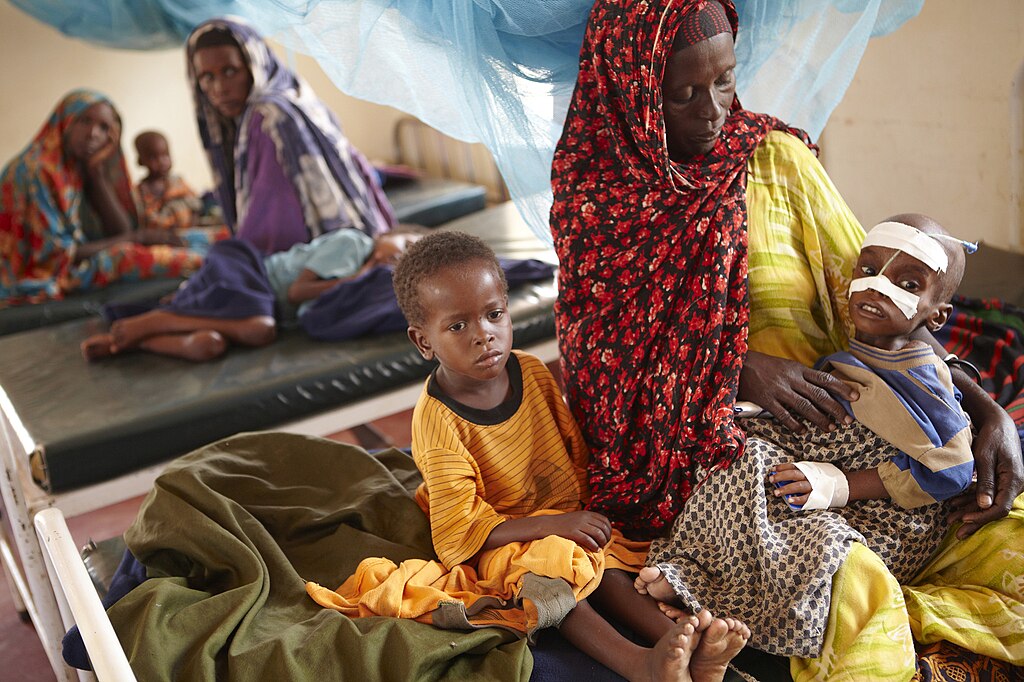
One of the least understood risks is what happens when food returns. Medical literature documents refeeding syndrome, a potentially fatal shift in fluids and electrolytes that occurs when nutrition is reintroduced too quickly to a malnourished body. This is why WHO protocols for severe malnutrition require controlled refeeding with fortified therapeutic foods.
Hunger damages quietly. Recovery must be deliberate.
The bottom line
There is no natural workaround for the absence of food. Sunlight can protect vitamin D levels. Water can prevent immediate collapse. Trace minerals may slow deterioration. But none of these stop malnutrition. They only delay its consequences.
When populations lack food, the issue is not lifestyle or resilience. It is access. And the cost of delayed access is paid in weakened bodies, lost productivity, and preventable deaths.
Malnutrition is not a mystery. It is a policy outcome.
Sources
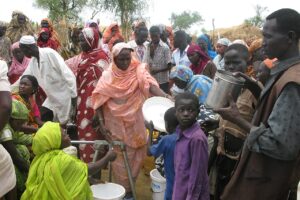
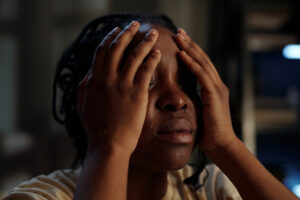
Featured Photo: Luxita for Life Foundation, Uganda. https://luxitaforlife.com
World Health Organization. “Malnutrition.”
https://www.who.int/news-room/fact-sheets/detail/malnutrition
World Health Organization. “Micronutrients.”
https://www.who.int/health-topics/micronutrients
World Health Organization. “Vitamin D.”
https://www.who.int/news-room/fact-sheets/detail/vitamin-d
World Health Organization. “Management of Severe Acute Malnutrition.”
https://www.who.int/tools/elena/interventions/micronutrients-sam
United Nations Children’s Fund. “Nutrition.”
https://www.unicef.org/nutrition
United Nations Children’s Fund. “Malnutrition.”
https://data.unicef.org/topic/nutrition/malnutrition
Beal, Ty, et al. “Global Micronutrient Inadequacies in 185 Countries.” The Lancet Global Health 11, no. 12 (2023).
https://www.thelancet.com/journals/langlo/article/PIIS2214-109X(23)00353-4/fulltext
National Institutes of Health, Office of Dietary Supplements. “Vitamin D Fact Sheet for Health Professionals.”
https://ods.od.nih.gov/factsheets/VitaminD-HealthProfessional
National Institutes of Health, Office of Dietary Supplements. “Iron Fact Sheet for Health Professionals.”
https://ods.od.nih.gov/factsheets/Iron-HealthProfessional
Crook, Martin A., et al. “The Importance of the Refeeding Syndrome.” Nutrition 17, no. 7–8 (2001).
https://www.sciencedirect.com/science/article/pii/S089990070100530X