



Water or school? A choice a child should never have to make.
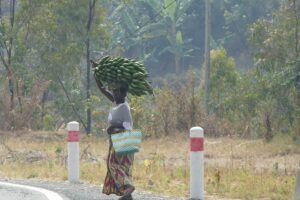
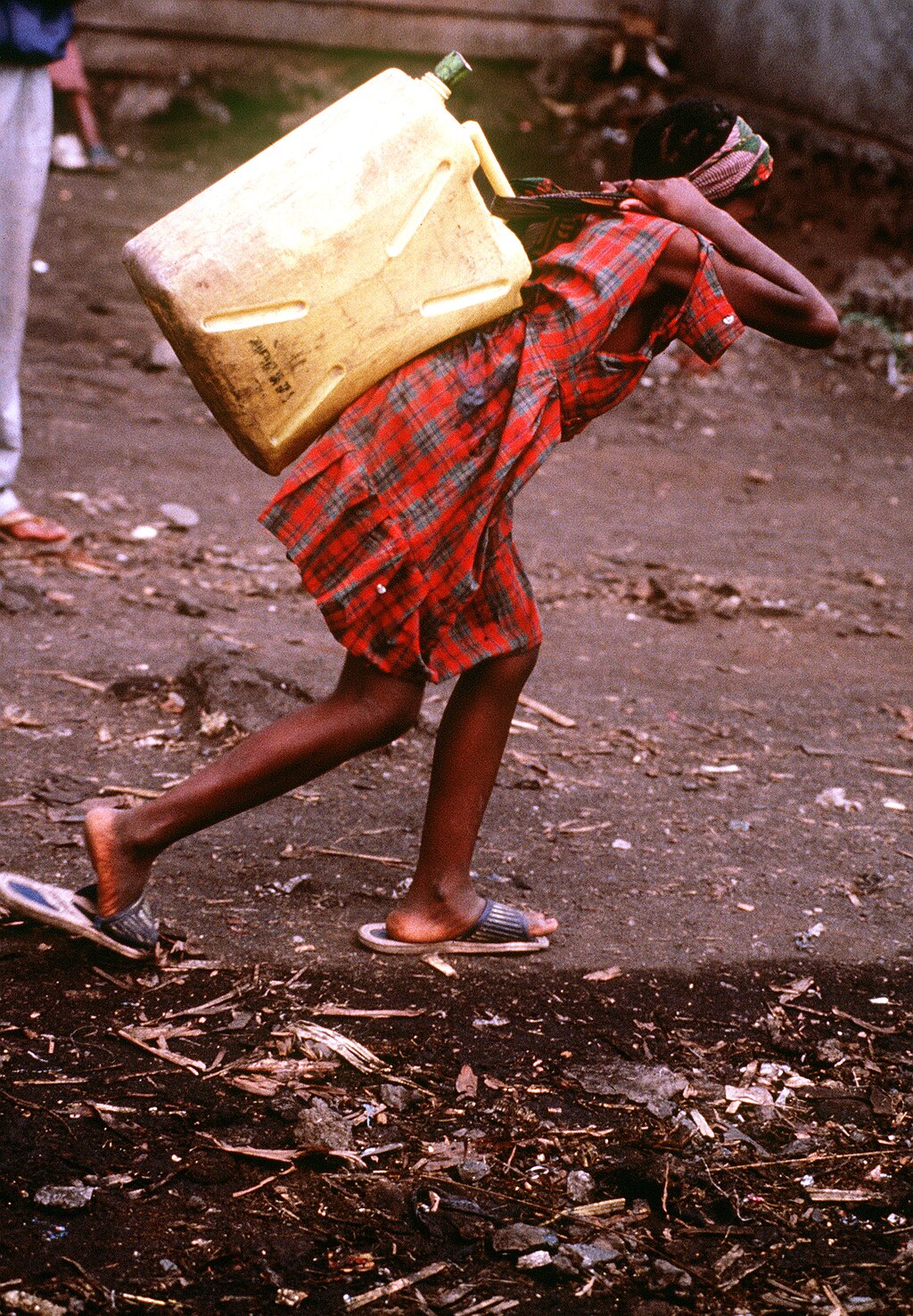
Mary fills her lungs with the dry, dark pre-morning air. One deep breath, then three shallow. As she walks, she counts to pass the time. 1, 2, 3… three thousand seven hundred and eighty-seven. Each step is an effort to steady the twenty-liter water jug strapped against her back, supported by a scarf wrapped across the crown of her head. Mary is twelve years old. She is too tired for school now.
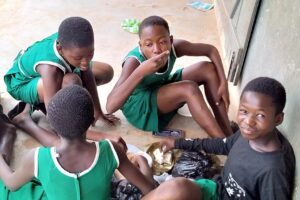
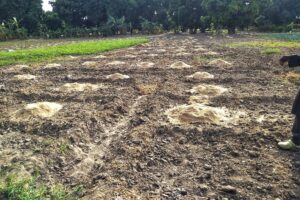
Children should not have to choose between survival and education, yet when water systems fail, families absorb the cost. Without water, there is no garden, no food, no life. Rising food prices close off the option to buy. So the burden falls on young girls like Mary, who trade classrooms for long walks. The cycle is simple and brutal. Water first, food second, education last.
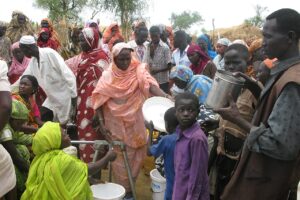
Across West and Central Africa, more than 190 million people lack access to safe drinking water, according to UNICEF. In rural regions, children, typically young girls, spend an estimated 200 million hours every day collecting water worldwide, time researchers consistently link to lower school attendance and early dropout. The World Bank reports that food prices across sub-Saharan Africa remain up to thirty percent higher than global averages, driven by fuel costs, weak storage systems, and unreliable electricity. In some communities, households now spend more than half of their income on food alone. When wages do not rise, the shortfall is covered by labor that never shows up in national accounts: the unpaid work of children who walk for water so their families can eat.
Sources
Featured photo: UNICEF. “Collecting water is often a colossal waste of time for women and girls.”
https://www.unicef.org/press-releases/unicef-collecting-water-often-colossal-waste-time-women-and-girls
UNICEF Data. “Drinking Water.”
https://data.unicef.org/topic/water-and-sanitation/drinking-water/
UNICEF / WHO Joint Monitoring Programme. “Women and girls bear the brunt of the water and sanitation crisis.”
https://www.who.int/news/item/06-07-2023-women-and-girls-bear-brunt-of-water-and-sanitation-crisis—new-unicef-who-report
UNICEF Data. “WASH in Schools.”
https://data.unicef.org/topic/water-and-sanitation/wash-in-schools/
UNICEF / WHO JMP. Global Progress on Drinking Water, Sanitation and Hygiene.
https://data.unicef.org/resources/jmp-report-2025/
UNICEF. “Collecting water is often a colossal waste of time for women and girls.”
https://www.unicef.org/press-releases/unicef-collecting-water-often-colossal-waste-time-women-and-girls
UNICEF Data. “Drinking Water.”
https://data.unicef.org/topic/water-and-sanitation/drinking-water/
UNICEF / WHO Joint Monitoring Programme. “Women and girls bear the brunt of the water and sanitation crisis.”
https://www.who.int/news/item/06-07-2023-women-and-girls-bear-brunt-of-water-and-sanitation-crisis—new-unicef-who-report
UNICEF Data. “WASH in Schools.”
https://data.unicef.org/topic/water-and-sanitation/wash-in-schools/
UNICEF / WHO JMP. Global Progress on Drinking Water, Sanitation and Hygiene.
https://data.unicef.org/resources/jmp-report-2025/