







An investigative look at power, profit, and the price of survival
There’s a certain kind of headline that shows up when food gets expensive. You see news focused on “grain shortages” “drought alerts” and “onflict zones.” Images are featured on headlines: a worried farmer, a crowded market, a mother doing mental math at a checkout line…
What you don’t usually see is the balance sheet.
Because while prices climb for everyone else, parts of the system can start running hotter. Margins widen while volumes shift and somewhere between the field and the plate, money concentrates.
The Quiet Power Behind Fertility
Start with the backbone of modern agriculture: fertilizer. Strip it away and global yields drop fast. Keep it flowing, and you can push production to meet demand.
The catch: production isn’t evenly spread around the world. It sits in the hands of a relatively small circle of companies with the scale to extract, process, and ship at volume. Names like Nutrien, Yara International, and CF Industries don’t often make front-page news, but their pricing decisions ripple outward.
Fertilizer tracks energy. If you connect the dots, you can see that when natural gas tightens, so does supply. When supply tightens, prices move. Here, farmers feel it first. Some pay more and absorb the hit, while others cut usage and that shows up months later as smaller harvests. It turns into a mechanical cycle where inputs rise, outputs shrink and prices rise again.
In recent years, during global energy shocks and supply disruptions, several major producers reported unusually strong earnings.
The Middlemen Who Aren’t Really in the Middle
Once crops are harvested, they enter a network that is anything but neutral. A small group of global traders moves a massive share of the world’s grain—companies like Archer Daniels Midland, Bunge Limited, Cargill, and Louis Dreyfus Company.
They own silos, shipping routes, processing plants. They track weather patterns, freight rates, political risk. Information moves quickly through these channels, and in volatile markets, timing is crucial.
When supply gets uncertain—war in a grain-exporting region, a bad season in a major producer—prices start to swing.Those with storage, logistics, and capital tend to benefit from that movement.
For traders, instability can be workable terrain.
Seeds, Patents, and Locked-In Choices
Before fertilizer, before grain markets, there’s the seed.
A handful of firms—Bayer, Corteva, and Syngenta—shape what gets planted and how it gets grown. High-yield seeds are often tied to specific chemical systems. Many come with legal protections that limit reuse.
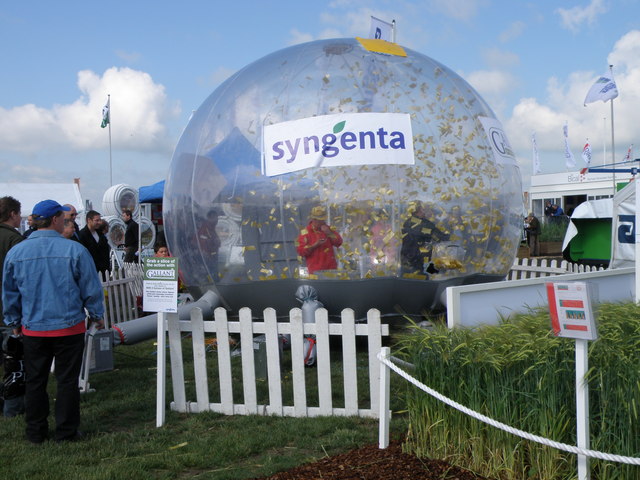
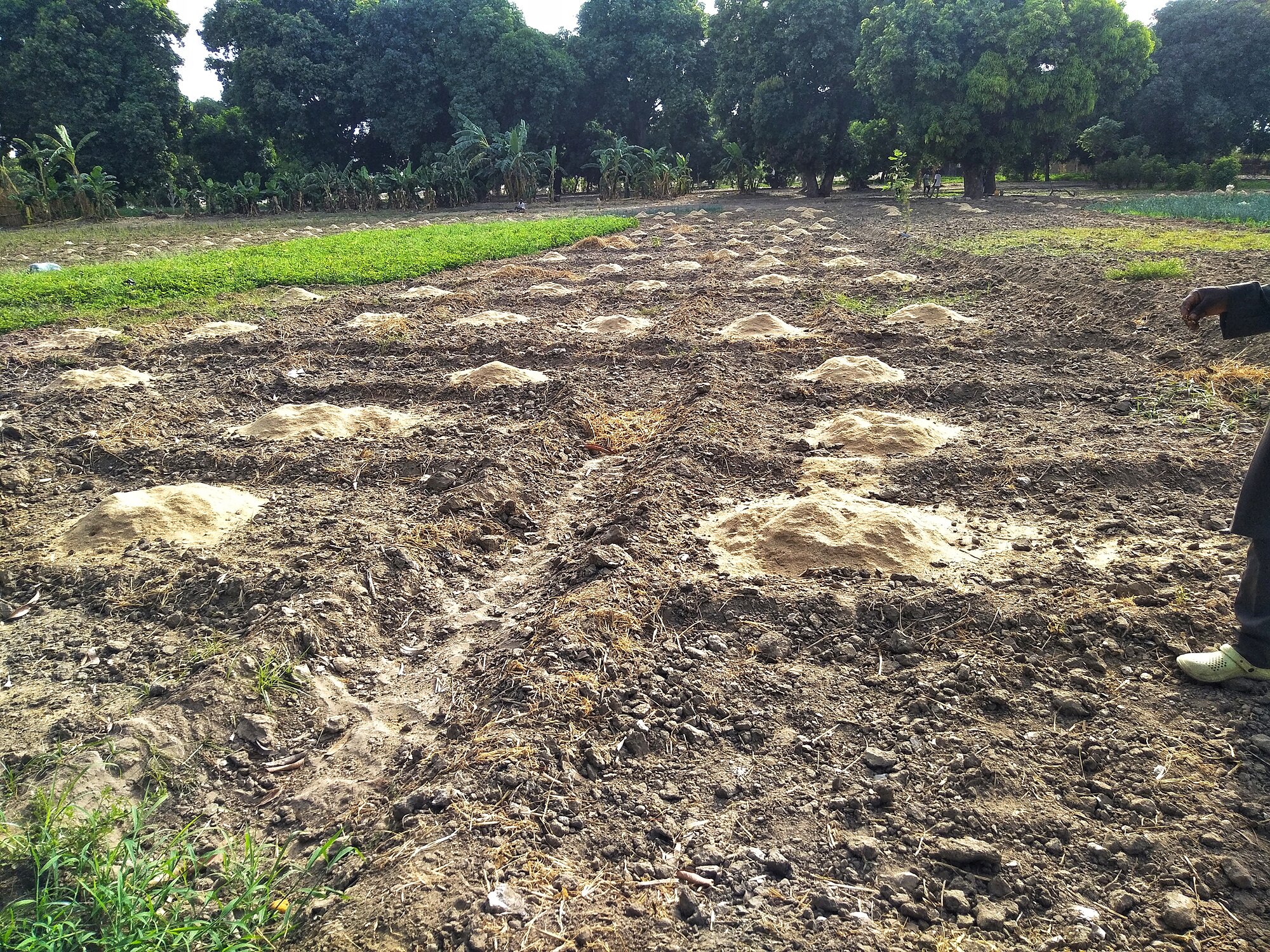
Photo attribution: Michael Trolove / Competition time, Cereals, Vine Farm, Wendy
Farmers sign up for performance: better resistance, higher output, more predictability. The tradeoff is dependence. Each season resets the meter.
When input costs rise across the board—seed, fertilizer, fuel—the margin for error disappears. Smaller operations feel it first.
The Last Mile Isn’t Neutral Either
By the time food reaches processing plants and supermarket shelves, the story has already passed through multiple hands. But pricing pressure doesn’t stop there.
In many markets, food processing and retail are highly concentrated. When costs rise upstream, prices move downstream. When costs fall, the drop doesn’t always travel at the same speed.
Consumers notice the lag in their rising bills.
Margins, in the meantime, can hold.
A System That Rewards Position
There’s no single switch being flipped behind the scenes. No central command deciding outcomes. What exists instead is a layered system where position matters.
Control inputs, and you influence yields.
Control storage and transport, and you influence timing.
Control distribution, and you influence price.
Each layer has its own incentives and each protects its position.
Organizations like the Food and Agriculture Organization and the World Bank point to the bigger forces—conflict, climate, infrastructure gaps, poverty. Those forces set the stage and then markets take over and prices move.
Where the Pressure Lands
Not every country absorbs shocks the same way. Wealthier economies bend. Poorer ones break.
A spike in fertilizer costs in one part of the world can mean a thinner harvest somewhere else. A disrupted shipping lane can mean empty shelves far from the conflict itself. A pricing decision made in one part of the system can echo in a rural market months later.
By the time it reaches the consumer, the cause is hard to trace. The effect is not.
The Industry View
Large agribusiness firms often argue that strong profits during volatile periods reflect equally high risks, capital intensity, and the cost of maintaining global supply chains under extreme conditions. Storage infrastructure, shipping networks, and production facilities require long-term investment, and periods of disruption can test those systems.
From that perspective, price swings come as opportunities. They are also signals and stress tests.
Following It Forward
Food carries politics, geography, weather, and human need all at once. The modern system adds scale—bigger companies, longer supply chains, tighter integration.
In that environment, scarcity creates movement. And movement, in the right conditions, creates return.
Companies profit immensely in food shortages. And the question we must ask is how those profits are distributed across a system that everyone depends on but few fully see.
Because when the price of something essential goes up, the impact spreads widely.
Unfortunately, the gains rarely do.
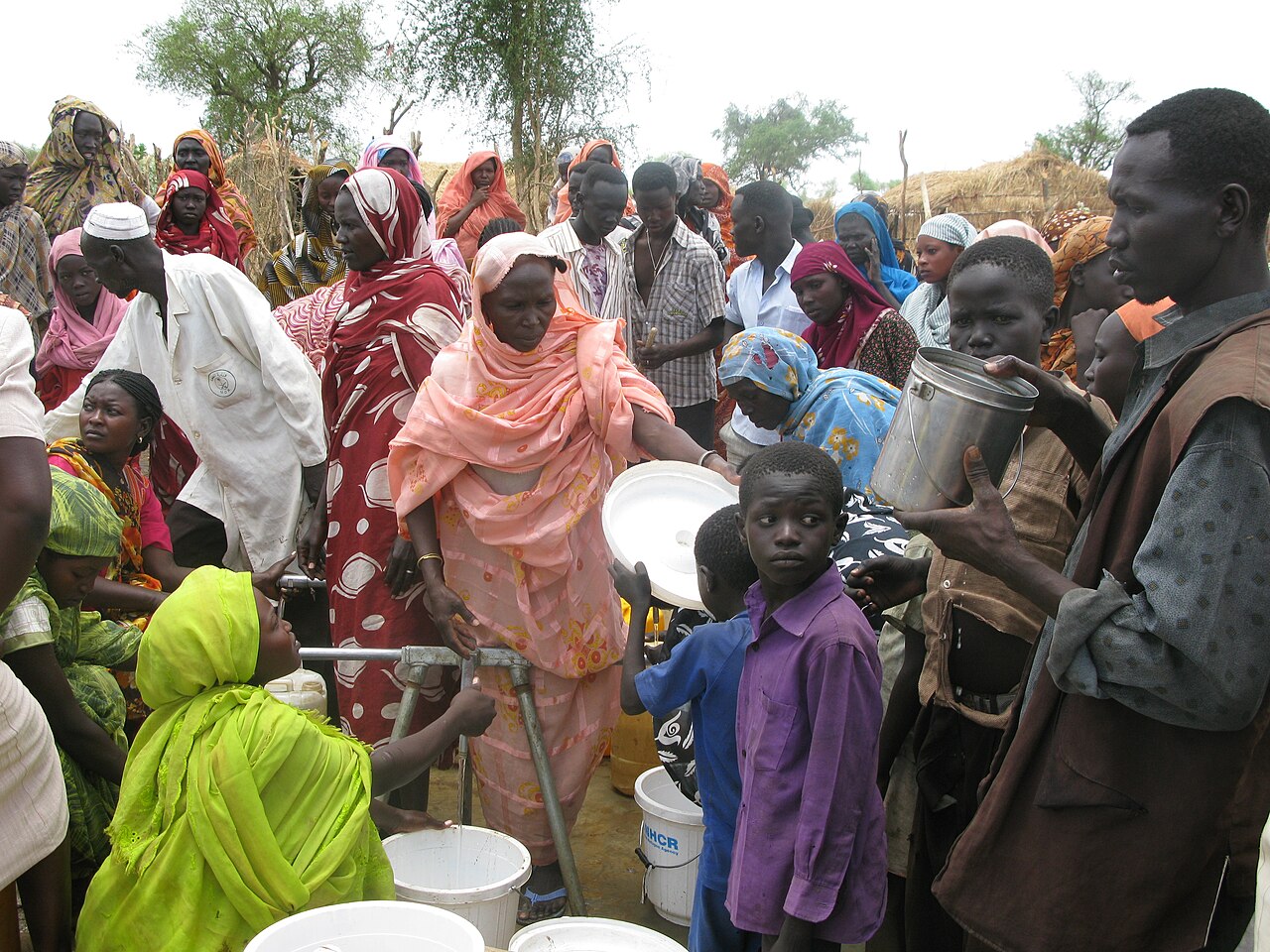
Featured photo: DFID – UK Department for International Development, CC BY-SA 2.0 https://creativecommons.org/licenses/by-sa/2.0, via Wikimedia Commons