











Ghana is often discussed through inflation figures, debt talks, and currency movement. But behind the numbers, one risk now stands out more clearly than the rest: unemployment.
Recent global risk assessments rank unemployment and lack of economic opportunity as Ghana’s most pressing economic threat in the year ahead. This is not only a labor issue. It is a food issue.
When work becomes unstable, food security weakens first.
Across urban and peri-urban areas, young people struggle to secure steady income. Many are trained and willing to work but remain locked out of formal employment. Others rely on informal trade, day labor, or short-term jobs that fluctuate with fuel prices and transport costs. When income becomes unpredictable, households adjust quickly. Meals shrink before rent does. Protein disappears before school fees are missed.
In rural communities, the pattern looks different but leads to the same outcome. Underemployment among smallholder farmers remains widespread. Many farmers work without access to storage, credit, irrigation, or reliable buyers. Younger workers increasingly avoid agriculture, seeing it as high risk with limited reward. As labor leaves farming communities, local production weakens and food supply becomes more fragile.
Over time, the problem feeds on itself.
Fewer jobs push people away from farming. Lower production increases dependence on imported food. Imported food prices rise with currency pressure and freight costs. Higher prices then deepen household vulnerability, especially for families without stable income.
Markets still operate. Food is still available. But fewer people can afford what they need consistently.
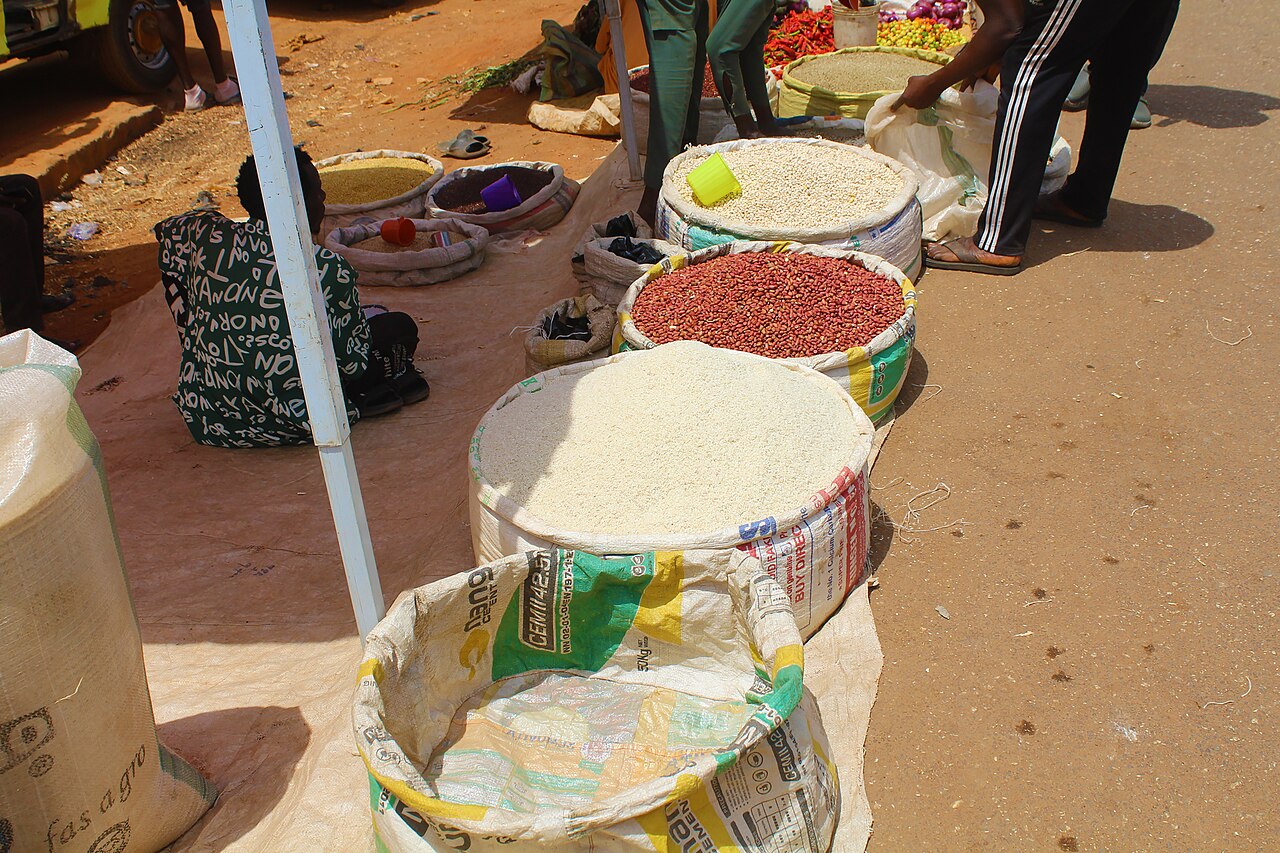
In Accra’s outer neighborhoods and regional market towns, traders say the change is visible. Customers still come, but they buy less. A woman selling rice and tomatoes described it simply. People ask more questions now, linger longer, and walk away more often. “They are counting,” she said. “Even when the food is right in front of them.”
The informal sector absorbs much of the unemployment shock. It keeps families afloat, but it offers little stability. Informal traders and workers are highly exposed to fuel price changes, policy shifts, and climate disruption. When transport costs rise or rains fail, income can collapse overnight. Food sellers feel this immediately. Turnover slows. Portions shrink. Demand shifts toward cheaper, less nutritious options.
This is how food insecurity grows without dramatic headlines.
Government recovery efforts have focused largely on macroeconomic stabilization. Inflation has shown signs of easing. Debt restructuring continues. These steps matter, but they do not automatically translate into jobs or food access.
When employment programs ignore agriculture, storage, and food transport, they leave jobs on the table. Food systems are labor intensive. From farming and processing to warehousing and distribution, they can absorb large numbers of workers if supported with the right infrastructure and financing.
Investments in local rice production, storage facilities, and market access do more than strengthen supply. They create income, stabilize prices, and reduce exposure to external shocks.
Unemployment and food security have never been separate problems. Addressing one without the other weakens both.
The risk is not that Ghana lacks food or people willing to work. The risk is that policy and investment continue to treat jobs and food as parallel conversations.
When employment fails, hunger follows quietly. And when food systems weaken, economic recovery becomes harder to sustain.