







Entering 2026: What 2025 Left Africa, and What Comes Next for Hunger, Conflict, and Food Systems
As we enter 2026, it is worth pausing to reflect on what 2025 left behind, and what the new year may bring across Africa’s food and nutrition landscape.
In many parts of Africa, hunger has not eased. The UN agencies’ 2025 State of Food Security and Nutrition in the World reporting shows that hunger in Africa surpassed 20 percent in 2024, affecting about 307 million people. World Health Organization This number reflects households skipping meals, mothers rationing portions, and children carrying the weight of shortages that are now normalised in too many communities.
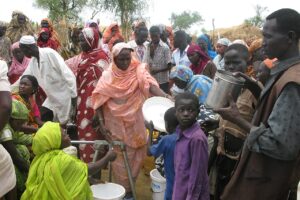
Conflict remained one of the sharpest drivers in 2025. In the Democratic Republic of Congo, the humanitarian picture grew more severe as violence escalated in the east. Reuters reported that a record 28 million people were facing acute hunger, with millions in emergency levels of food insecurity. Reuters Roads become unsafe. When farms are abandoned and markets collapse, hunger arrives fast and stays longer than it should.
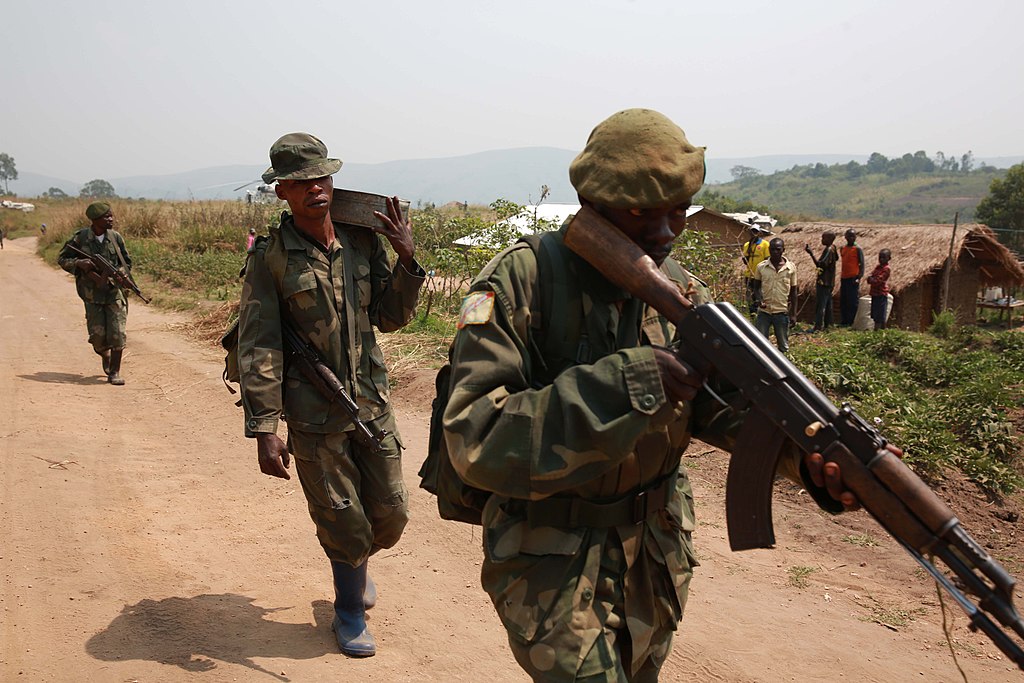
Photo: MONUSCO Photos, CC BY-SA 2.0 https://creativecommons.org/licenses/by-sa/2.0, via Wikimedia Commons
In Sudan, the crisis moved deeper into the category the world tries to avoid naming. The IPC reported that El Fasher in North Darfur and Kadugli in South Kordofan were classified in Famine, IPC Phase 5, with conditions expected to persist into early 2026. ipcinfo.org FAO also reported famine thresholds being surpassed in these areas, tied to siege conditions and blocked supplies. FAOHome
West Africa entered 2026 with warnings that should not be ignored. The UN World Food Programme has projected an unprecedented hunger crisis in northern Nigeria in 2026, with 35 million people expected to face severe food insecurity and pockets of catastrophic hunger. AP News These warnings sit alongside a wider problem: humanitarian agencies are being asked to do more while funding pressure grows.
Looking forward, the clearest risk is that need rises while resources fall. WFP’s Global Outlook for 2026 sets out an ambition to assist 110 million people worldwide, with an operational requirement of roughly US$13 billion. World Food Programme That ambition matters, but the gap between plans and funding has become a defining threat to emergency response.
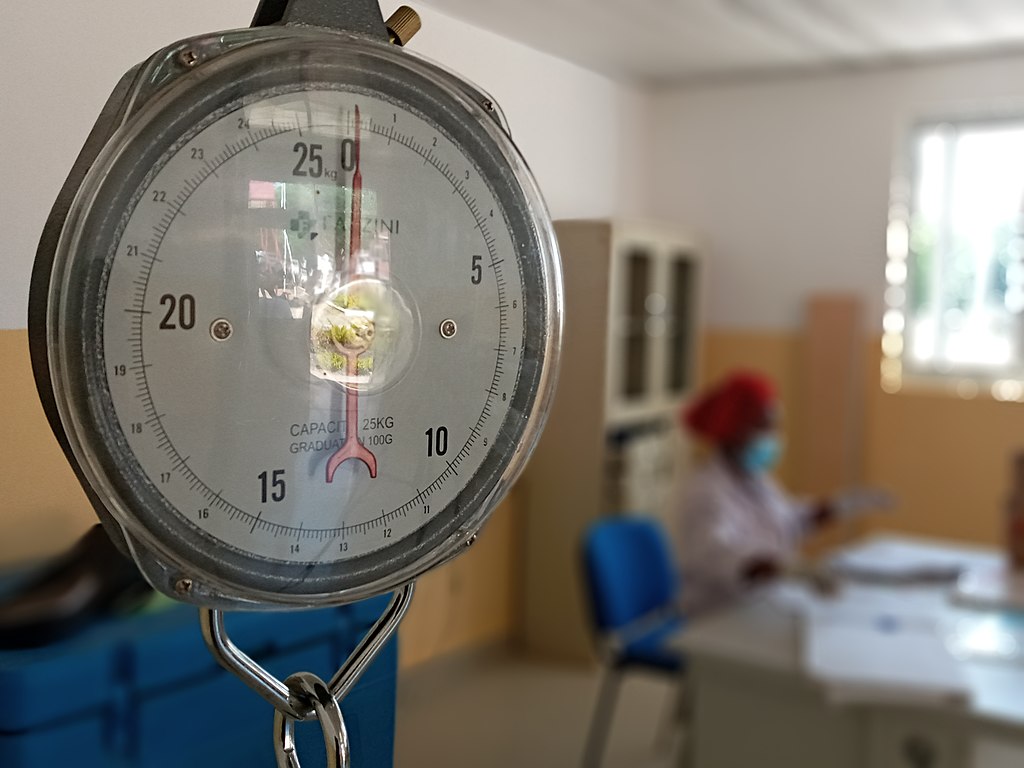
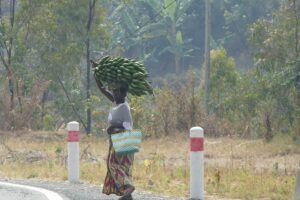
Photo: Featured image: Luiana Antonio, CC BY-SA 4.0 https://creativecommons.org/licenses/by-sa/4.0, via Wikimedia Commons
Still, 2026 is not only about crisis. Africa is also entering a new policy era in agriculture and food systems. The African Union has set out the CAADP Strategy and Action Plan 2026 to 2035, supported by the Kampala CAADP Declaration. African Union+1 The goal is continental transformation: more resilient agrifood systems, stronger local production, better nutrition outcomes, and job creation through agriculture and agroindustry.

The question for 2026 is whether the continent’s long term plans can hold steady in a year where conflict, climate shocks, inflation, and funding constraints continue to press hard. The UN agencies warn that if current trends continue, 512 million people could be chronically undernourished by 2030, with almost 60 percent of them in Africa. World Health Organization+1
In 2026, Africa’s hunger story will be shaped by two competing forces. One is crisis: conflict, displacement, and market disruption. The other is intention: policy commitments, local resilience, and the steady work of farmers, traders, community kitchens, and households that keep feeding people even when systems fail.
If 2025 taught us anything, it is that hunger does not wait for politics to settle. It arrives at the speed of disruption. The work of 2026 must be faster, closer to communities, and more serious about protecting food systems from the shocks we already know are coming.
Sources
- World Health Organization (WHO).
Global hunger declines, but rises in Africa and Western Asia: UN report.
July 28, 2025.
https://www.who.int/news/item/28-07-2025-global-hunger-declines-but-rises-in-africa-and-western-asia-un-report - Food and Agriculture Organization of the United Nations (FAO).
Famine conditions confirmed in Sudan’s El Fasher and Kadugli as hunger and malnutrition ease where conflict subsides.
November 4, 2025.
https://www.fao.org/newsroom/detail/famine-conditions-confirmed-in-sudan-fasher-and-kadugli-as-hunger-and-malnutrition-ease-where-conflict-subsides/en - Integrated Food Security Phase Classification (IPC).
Sudan: Countries in Focus – Famine confirmed in El Fasher and Kadugli.
2025.
https://www.ipcinfo.org/ipcinfo-website/countries-in-focus-archive/issue-137/en/ - World Food Programme (WFP).
WFP prioritises feeding 110 million of the world’s hungriest people in 2026 as global hunger deepens.
November 2025.
https://www.wfp.org/news/wfp-prioritize-feeding-110-million-hungriest-2026-global-hunger-deepens-amidst-uncertain - World Food Programme (WFP).
WFP Global Outlook.
2025.
https://www.wfp.org/publications/wfp-global-outlook - FAO & WFP.
Hunger Hotspots: FAO–WFP early warnings on acute food insecurity.
November 2025–May 2026.
https://www.wfp.org/publications/hunger-hotspots-fao-wfp-early-warnings-acute-food-insecurity - European Commission Knowledge Centre for Global Food and Nutrition Security.
Hunger Hotspots: FAO–WFP early warnings on acute food insecurity (Nov 2025–May 2026).
2025.
https://knowledge4policy.ec.europa.eu/publication/hunger-hotspots-fao%E2%80%93wfp-early-warnings-acute-food-insecurity-november-2025-may-2026-0_en - Reuters.
Conflict and extreme weather worsening hunger in West and Central Africa, WFP warns.
May 9, 2025.
https://www.reuters.com/world/africa/conflict-extreme-weather-worsening-hunger-west-central-africa-wfp-warns-2025-05-09/ - Reuters.
Africa feeding 20 million more children with school meals, WFP says.
September 10, 2025.
https://www.reuters.com/world/africa/africa-feeding-20-million-more-children-with-school-meals-wfp-says-2025-09-10/ - Associated Press (AP News).
UN food agency projects northern Nigeria to experience hunger at unprecedented level in 2026.
November 2025.
https://apnews.com/article/8a32b8aaf6da872c5fce22549e0ba912