






In villages and cities across West Africa, children line up for school with full stomachs—but not always full nutrition. This leads to slower learning, tired minds and a struggle many don’t see coming. Health experts have a name for it: hidden hunger.
It shows up when diets fill bellies but miss the vitamins and minerals the body needs. Iron, vitamin A, iodine—small things on paper that are big things in real life.
A Full Plate is Not Always Enough
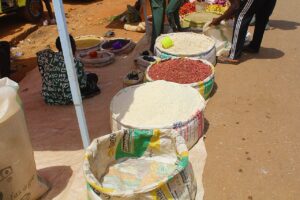
In parts of Ghana, Nigeria, and across the West Africa region, daily meals often center on rice, cassava, or maize. These foods provide energy but by themselves are not enough for a complete and balanced meal.
According to the World Health Organization, iron deficiency is one of the most common nutrition problems worldwide. Especially in children, it often leads to anemia—low levels of healthy red blood cells.
When the Brain Doesn’t Get What It Needs
The brain is still developing through childhood. It depends on nutrients the same way crops depend on good soil.
UNICEF reports that undernutrition in early years can affect how children think, learn, and perform in school. Teachers see it every day.
A student who once kept up now stares at the page while another struggles to remember lessons from the day before. It is frequently mislabeled as distraction, rather than hunger.
Iron plays a role in carrying oxygen to the brain. Without enough of it, concentration drops. Iodine supports brain development. Too little can lead to long-term learning difficulties. Vitamin A supports vision—critical for reading and classroom work. These are a few of many essential vitamins which diets which are not well balanced lack. A hidden part of hunger beyond starvation.
The Mood Factor
The effects are not limited to the classroom.
Researchers have found links between poor nutrition and mental health. Low levels of certain vitamins are associated with higher risks of depression and low mood.
The National Institutes of Health notes that nutrition plays a role in how the brain regulates mood. When key nutrients are missing, the systems that control energy and emotion can be affected.
In practical terms, that can look like this:
A child who is quiet, withdrawn or frustrated.
A student who seems uninterested, even on good days.
A Classroom Example
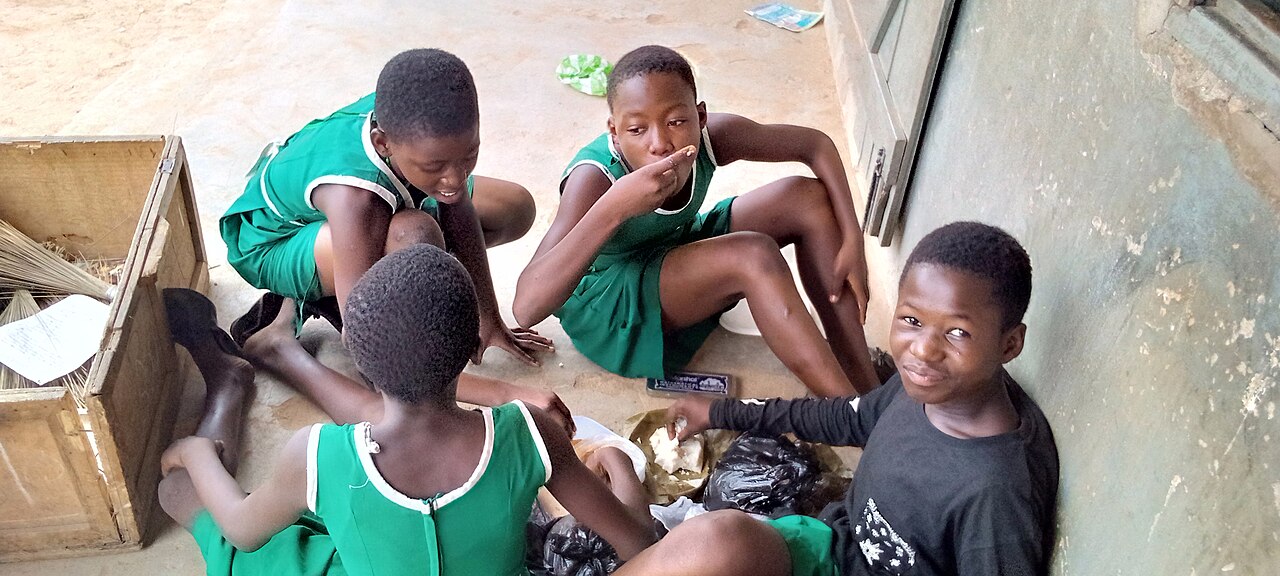
In a rural primary school, a teacher notices a pattern. Several students arrive on time, sit through lessons, but struggle to keep up.
Their meals are similar: cassava in the morning, rice in the evening. Little protein. Few vegetables. Rarely fruit.
They are not hungry but they are not nourished.
By mid-morning, energy dips. By afternoon, attention is gone. Even though most don’t call it malnutrition. But the signs are there.
The Bigger Picture
Across West Africa, millions of children face this same challenge. Not famine. Not starvation. Something quieter—and just as damaging over time.
The World Food Programme has long warned that micronutrient deficiencies can limit a country’s growth by affecting education and workforce potential.
When children cannot learn well, the impact stretches beyond the classroom. It follows them into adulthood—into jobs, income, and opportunity.
Small Changes, Real Impact
There are ways forward, and they do not always require sweeping change.
Fortified foods—like flour enriched with iron or salt with iodine—have shown strong results. School meal programs that include beans, vegetables, or fish can improve both attendance and performance.
Community education also matters. When families understand the value of balanced meals, even simple additions can help.
A handful of groundnuts. A serving of leafy greens. A piece of fruit when available.
Small steps. Measurable gains.
The Takeaway
The issue is not always how much food is on the table but what’s in it.
Hidden hunger doesn’t make noise and demand attention. However, it shapes classrooms and the community. And for many children in West Africa, the difference between falling behind and moving forward may come down to vitamins no one sees.
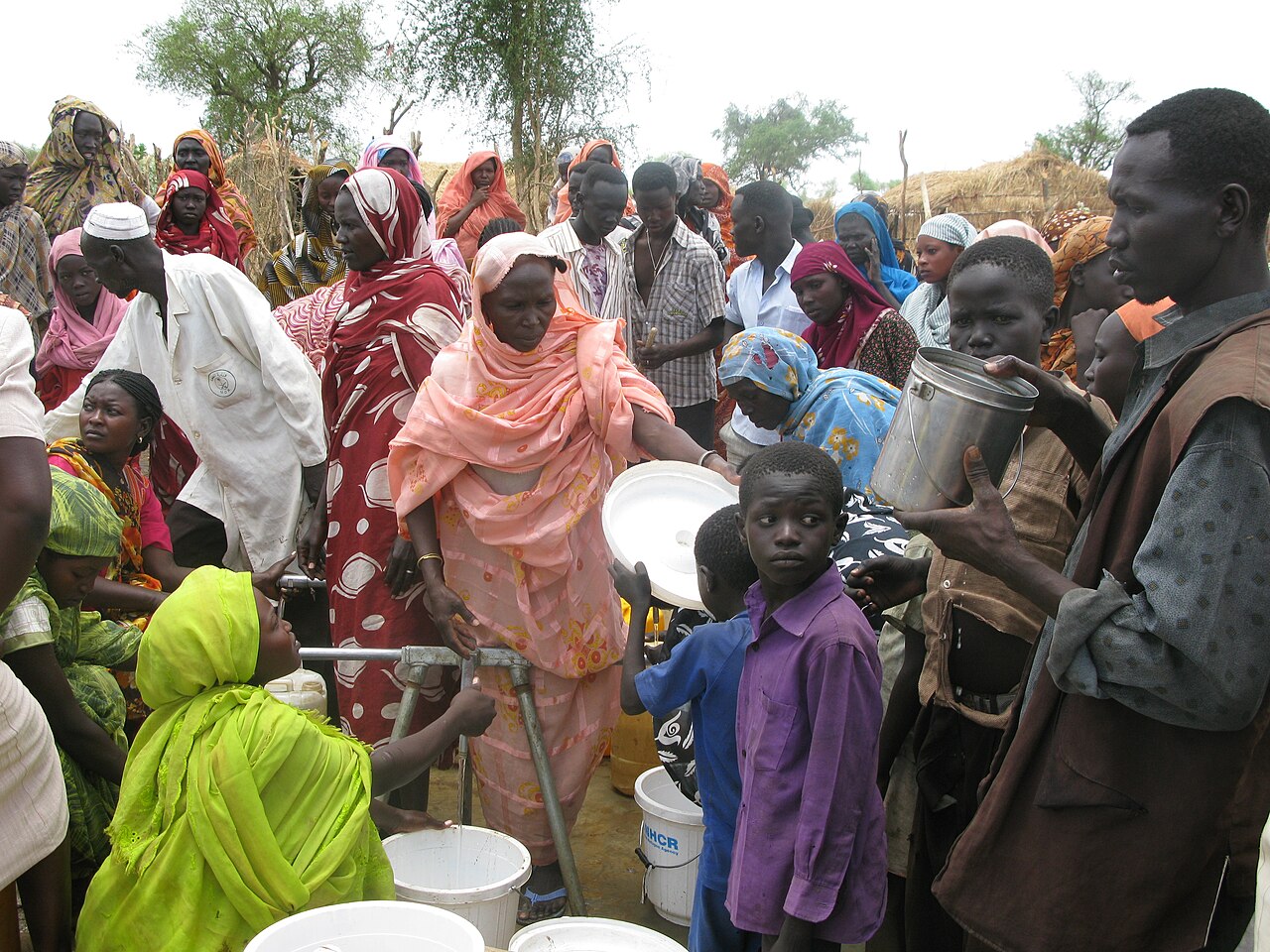
Featured photo credit: Atalata Gumah, CC BY-SA 4.0 https://creativecommons.org/licenses/by-sa/4.0, via Wikimedia Commons