









While much of the world watches oil prices and stock markets, a more serious problem is quietly unfolding. It is not being tracked on financial screens, yet it will affect millions of lives. It is the growing shortage of fertilizer, and with it, the risk of food scarcity.
The conflict involving Iran has disrupted key supply routes and tightened access to fertilizer. Fertilizer is what helps crops grow at the levels needed to feed entire populations and without it, harvests shrink.
Across Sub-Saharan Africa, the effects are already being felt. Many countries depend on imported fertilizer. Now, supplies are delayed, and prices have risen beyond what many farmers can afford. Faced with these costs, farmers are using less. Some are planting with little or none at all.
As a result, crops may not reach full yield. In some areas, experts warn that food production could fall sharply in the coming season. For countries already under strain, including Somalia and South Sudan, this adds pressure to an already fragile situation.
The problem does not stand alone. Conflict in places such as Sudan continues to disrupt farming and markets. At the same time, rising fuel costs have made it more expensive to produce and transport fertilizer. Even when supplies exist, they are often out of reach.
A key route for global shipments, the Strait of Hormuz, has become more uncertain, slowing the movement of both energy and agricultural inputs. The result is a chain reaction that begins with fertilizer and ends with food on the table.
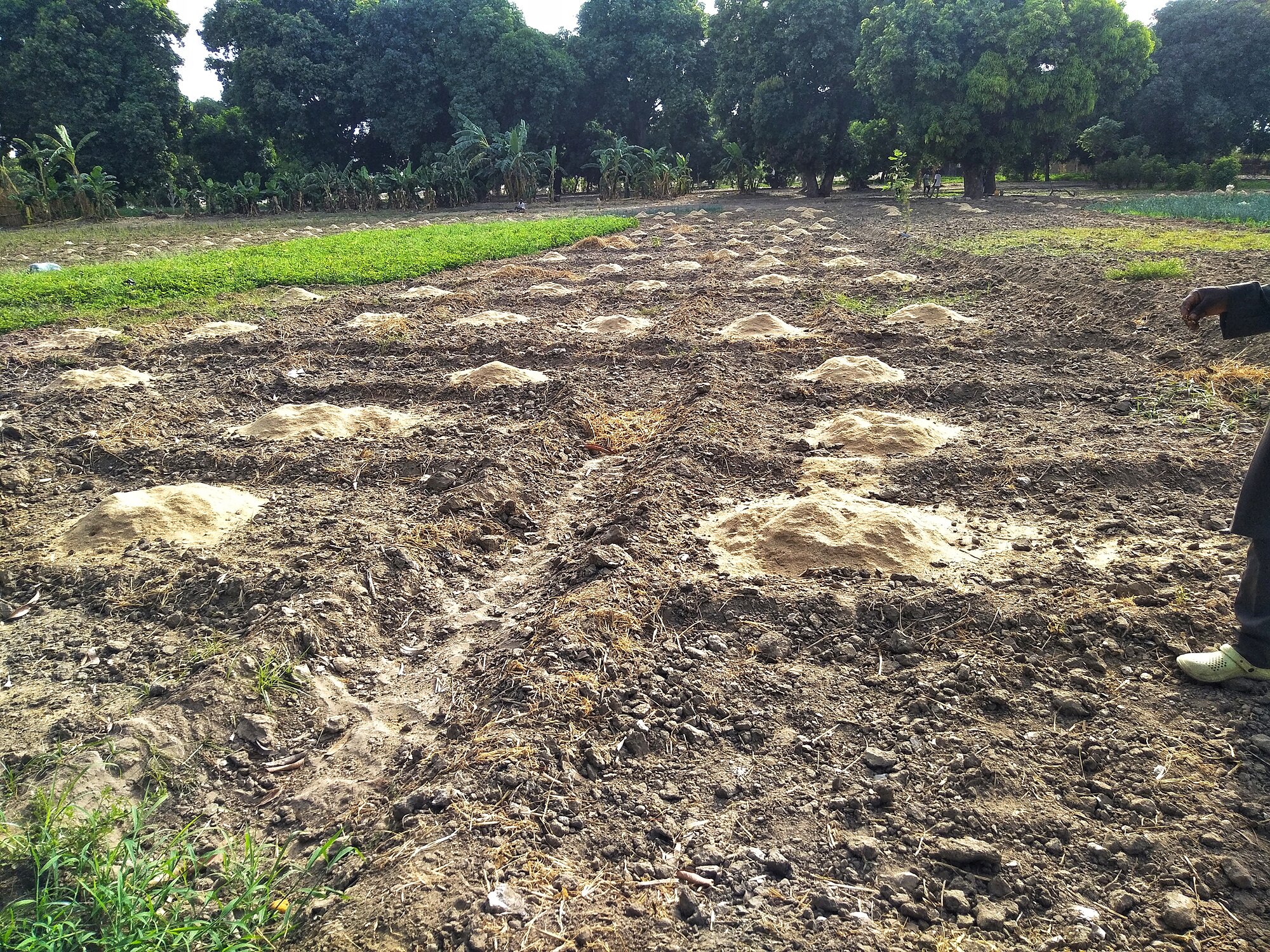
In response, some farmers are turning to traditional methods, using compost or other natural materials to support their crops. These efforts may help in part, but they are not enough to replace industrial fertilizer on a large scale. Governments have attempted to ease the burden through support programs, yet resources are limited and demand continues to rise.
What is often missed in global discussion is how central fertilizer is to daily life. When fertilizer becomes scarce, food becomes scarce. When food becomes scarce, prices rise, and hunger follows. This is not a distant or abstract concern. It is immediate and deeply connected to stability in many regions.
There is also another side to this story. Where there is disruption, there is a need for new solutions. Expanding local fertilizer production, strengthening farming systems, and investing in supply chains could help reduce dependence on imports. These steps would not only address the current crisis but also create long-term opportunity.
For now, however, attention remains elsewhere. Oil and markets dominate the headlines. Yet the more urgent issue is already taking shape in fields and farms.
If fertilizer is overlooked, food will be next. And when food is at risk, the consequences reach far beyond agriculture.
