



Nine years after being diagnosed with incurable bone marrow cancer, she explains the daily habits and support that helped her stay alive.
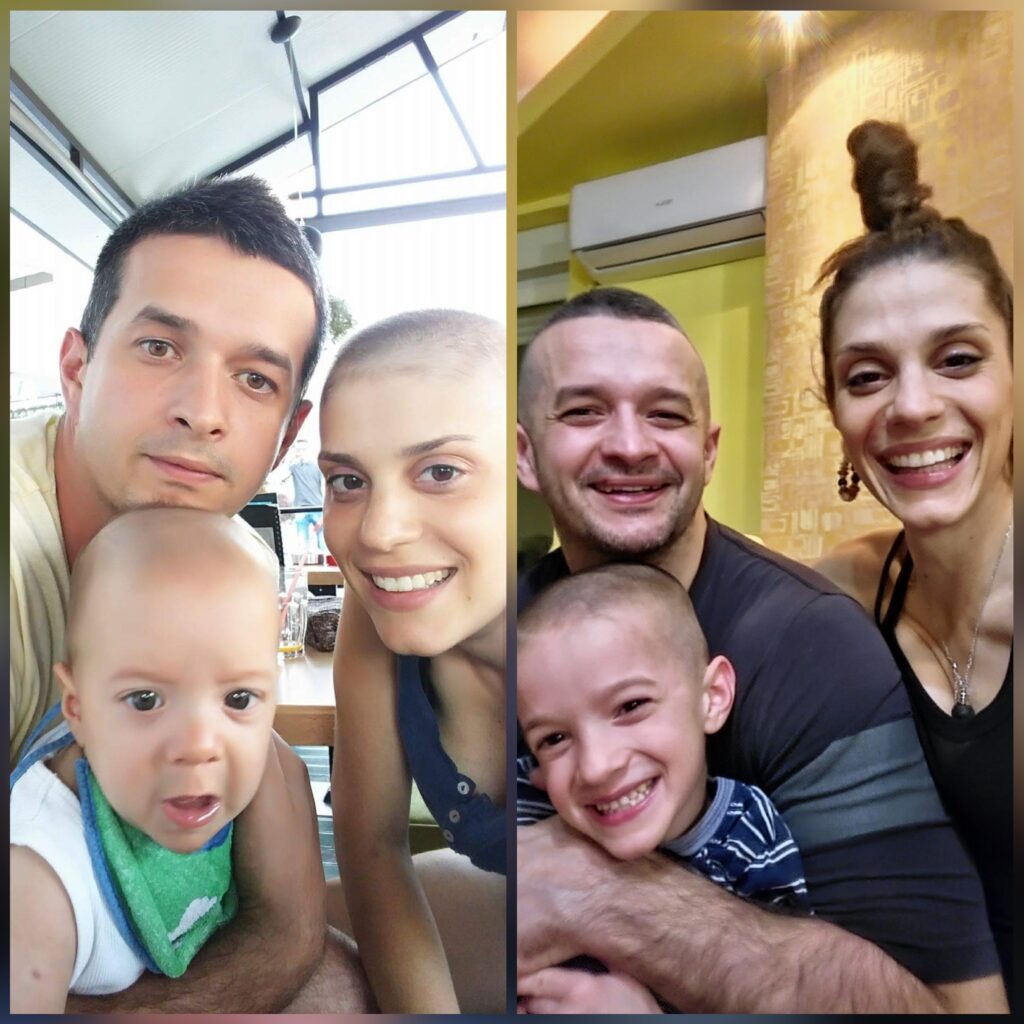
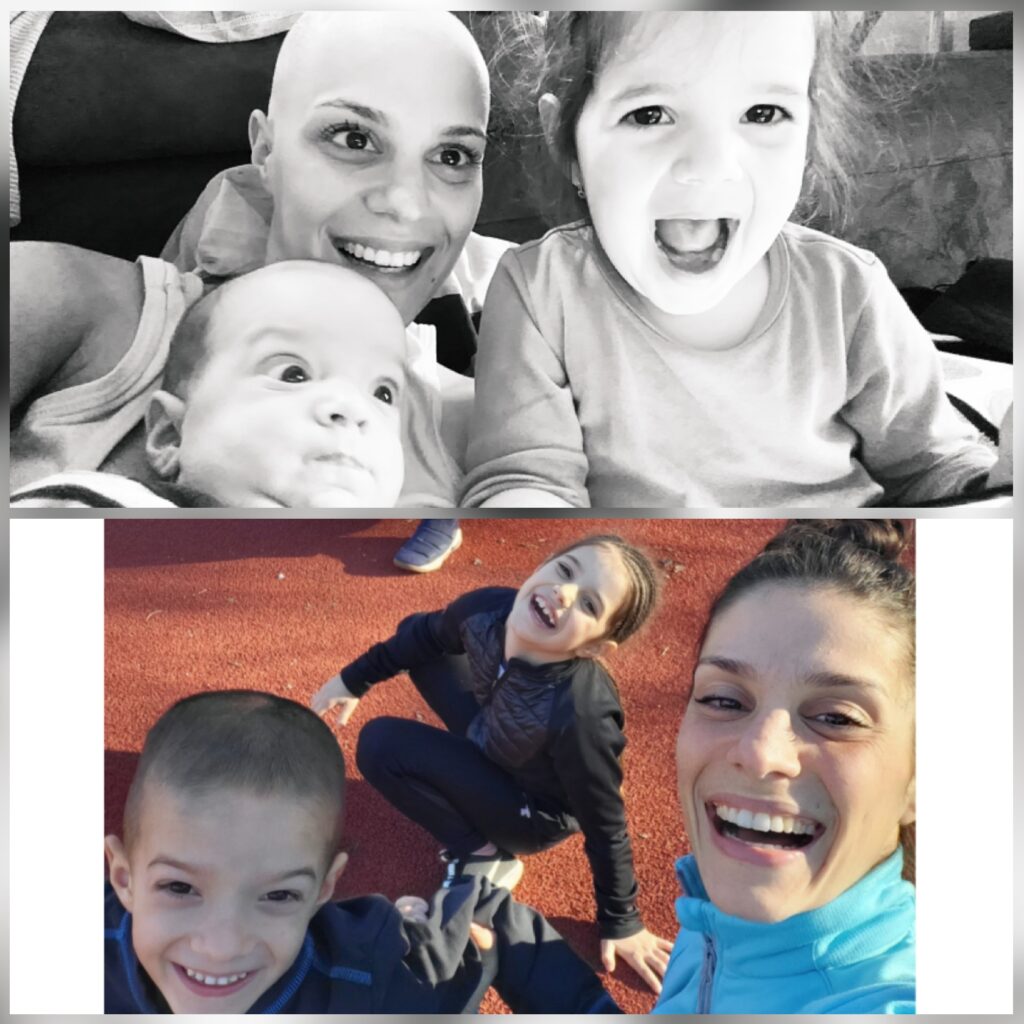
At 27, Nastasja Nedimović was diagnosed with incurable multiple myeloma, bone marrow cancer. She had an 18‑month‑old daughter and was six months pregnant. Doctors said she would not live to see her children grow. She chose to fight for her life and family, turning to food and daily gratitude as part of her recovery and strength. Nine years later, she is alive, healthy, and cancer‑free, sharing her story. Across Africa, many people facing cancer do so with far fewer resources, making survival even harder.
Every year, more than 1.1 million Africans are diagnosed with cancer and more than 700,000 die. By 2040, IARC projects 2.1 million cases and nearly 1.4 million deaths. The rise reflects late diagnosis, few specialists, and limited access to treatment.
In many countries there is one oncologist for every one million people. More than 70 percent of cancers are found at late stages because pathology services and screening programs are limited. Many patients must travel long distances to reach the nearest cancer center, and transport costs make this impossible for most families.
Health insurance coverage is low, and most treatment is paid out of pocket. A single round of chemotherapy can cost more than a family earns in months. Over 20 African countries have no radiotherapy machines, and where they exist, demand far exceeds capacity.
Hunger makes the illness harder to fight. Malnutrition weakens the immune system and reduces the body’s ability to recover from surgery or withstand chemotherapy. Many patients arrive already undernourished, and survival becomes a question of both medical care and food access.
For many, survival feels impossible. But Nastasja Nedimović shows how daily choices at home can make a difference.
Food and mindset
After a bone marrow transplant and chemotherapy, she began to eat differently. She cut out sugar, white flour, and processed food. She learned to make sweets with apples, bananas, and dates. She chose local, fresh food prepared in simple ways.
“Both what you eat and how you eat matter,” Nastasja explains. After trying strict diets such as vegan and keto, she discovered that extremes were not the answer. She emphasizes that balance is key, and simple is best.
Her advice on milk and dairy is practical. She prefers goat milk over processed cow’s milk, but still uses cow’s yogurt because of the natural probiotics and enzymes. She adds that fermented foods like yogurt, sauerkraut, or local versions available in markets can be excellent for digestion and strength.
“Sit down. Eat slowly. Breathe. Try to eat in a calm space, without television or phones. Even the simplest food can give strength when eaten in calm.”
Her practical advice includes:
- Walk after meals. It steadies the body and helps with digestion.
- Be thankful for the food you have. “Not just words, but really feel the energy. There is a connection between food and mind. Focus on it with care.”
- Eat without distraction and give thankfulness to mealtime. “My children notice what I do. They copy me. Little eyes are always watching.”
- Notice your surroundings when you eat. “A calm setting helps the body use food well.”
- “When preparing your food, really put love into it.” This energy will go into the ingredients so they can give their optimum nutrition.
“Eat local food,” she says. “It is cheaper and healthier.” She emphasizes that simple is best. “Potatoes, carrots, onions, garlic… You don’t always need powders and packages. You need what grows around you. Nature gives us everything.”
This approach to food was only part of her survival. When treatment required more, she also turned to blood donation and the support of others.
One blood donation can save three lives
When she first needed a blood transfusion, Nastasja admits, “It was strange. I didn’t know much. I was afraid something bad might happen. I didn’t understand how safe it was.”
Now, she speaks openly about the need for education. One donation, she says, can save a life, and sometimes more, and donors make survival possible. “Don’t be afraid. Give blood. It doesn’t hurt. You change a life and you change yourself too.”
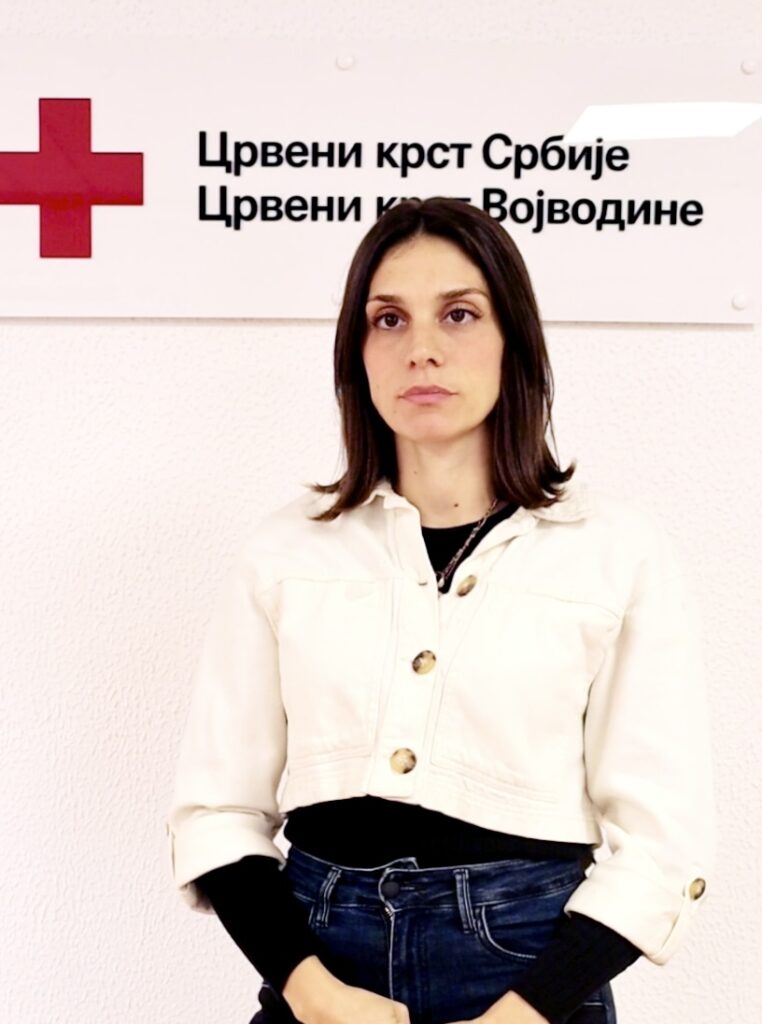
Blood donation also helps the donor, she says. “When you give blood, your body makes new blood. It cleanses you. My father began donating at 18. He gave every three months. Today he remains healthy. He was my role model.”
The Red Cross of Vojvodina, located near Natasha’s home in Serbia, shows how this works. In 2024, they held 1,312 blood drives and collected 43,098 units. Each unit of 450 ml (approximately one pint) can save up to three lives. A single donation is often separated into red cells, plasma, and platelets, each of which can treat a different patient.
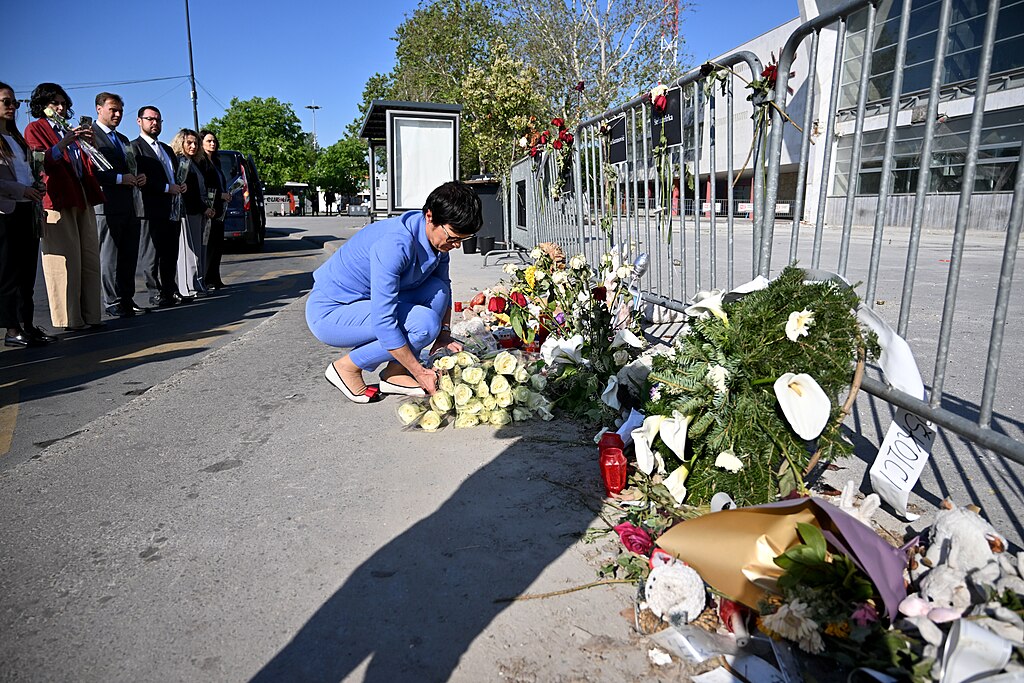
After a roof collapse at a railway station in Novi Sad, Serbia’s second largest city, killing 17 people, more than 1,200 units were donated in just three days. First-time donors lined up to help. Those donations made blood available not only for victims of the disaster but also for patients facing cancer and other serious health needs.
In many African countries, however, the picture is starkly different: The WHO estimates Africa collects less than 5 million units of blood per year, though more than 8 million are needed. In many regions, patients who need transfusions during surgery or chemotherapy simply cannot receive them.
Blood donations kept her alive when she needed them, but food and daily habits gave her the strength to keep going. That link between lifesaving care and daily choices shows another factor: how quickly information moves. Lives depend on the supply of blood. They also depend on how fast records are shared across the donation chain: from drives to hospitals to patients in need.
Technology and speed
Behind those blood donations was a change in how the Red Cross kept records. In 2022, with help from Intermino, a Salesforce partner in Serbia, the Red Cross Vojvodina automated its manual system. It was replaced by Salesforce Nonprofit Cloud. It used to take three days from the moment blood was donated to the time it reached a patient. That process was cut to one. Quicker systems and community effort turned delay into action and made blood ready when it was needed most.
Natasha says people who give blood are heroes. They may never know the life they save, but their gift is an act of faith. It is the work of an unseen hero, someone who doesn’t know when, where, or who they will help, only that they are making all the difference.
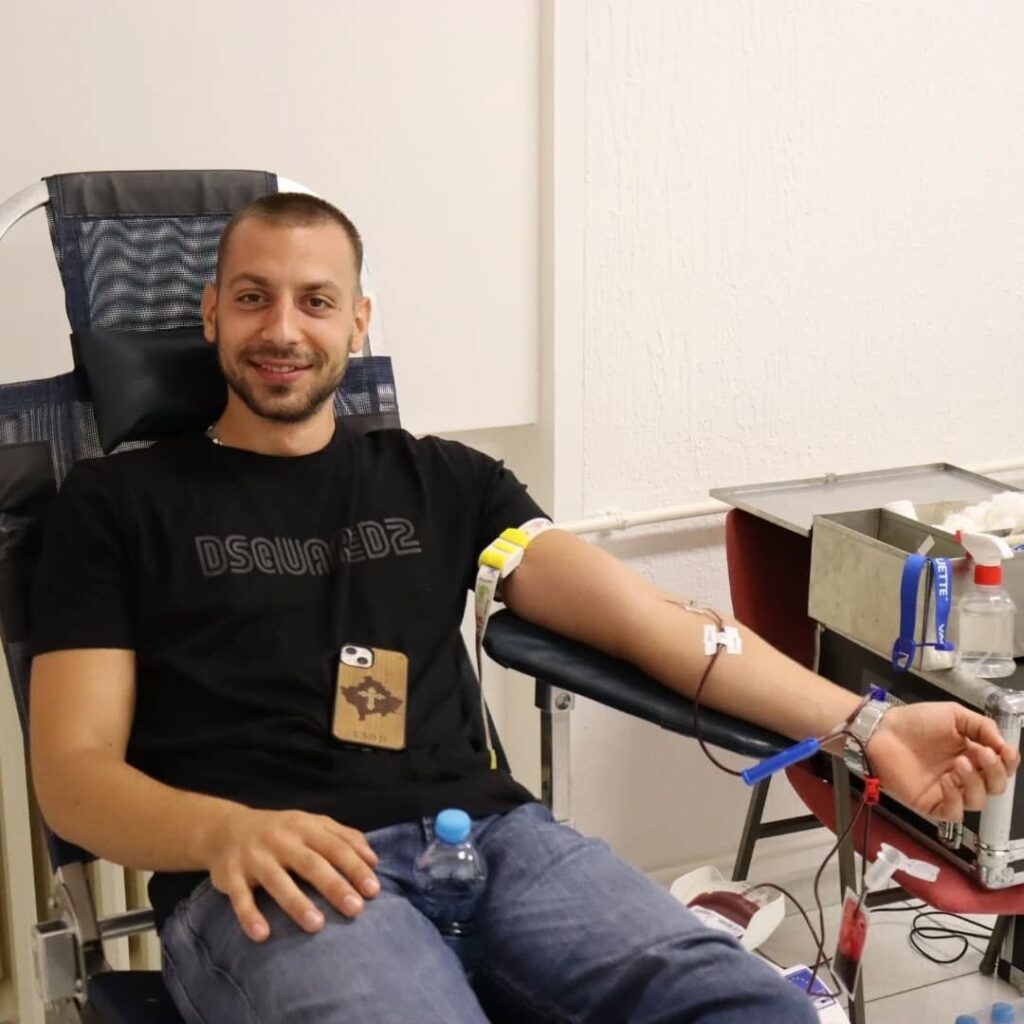
Saving a life can come from many parts: blood donations, quicker systems, food, and gratitude. Together they make survival possible. You don’t need wealth to help. Sometimes being a hero is as simple as showing up and giving blood, sharing what you already have.
Walk barefoot in the sunshine
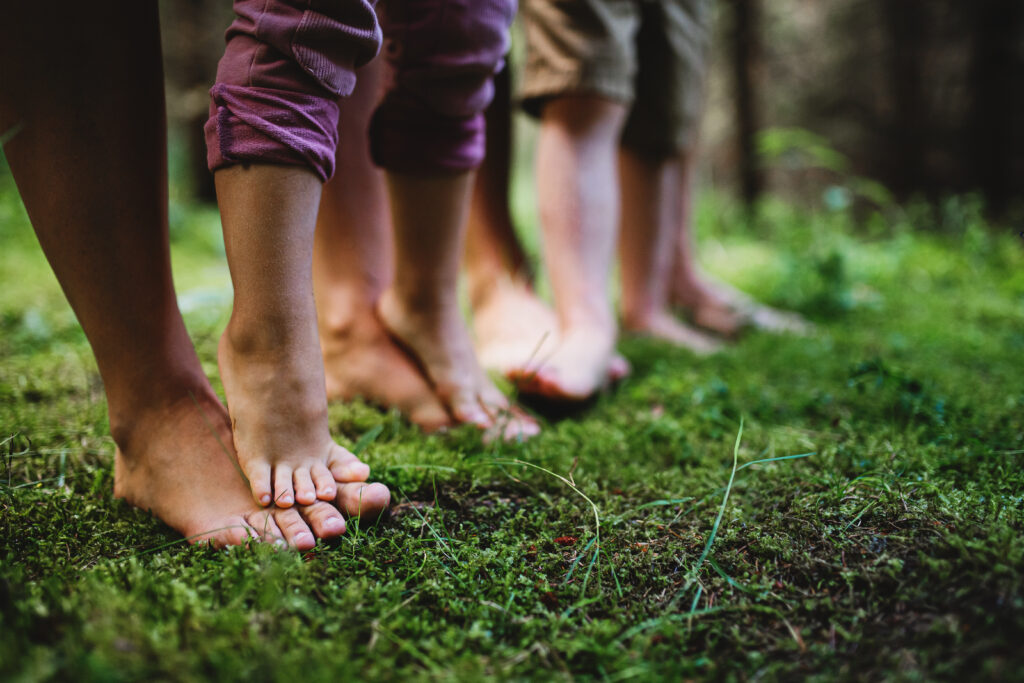
In parts of Africa where hospitals are out of reach, Nastasja tells people not to give up when care is limited. “Work with what you have. Sunlight. Walking barefoot. Water. Sleep. Positive thoughts. Movement. These are free and they matter.”
She swims, walks in the forest, and plays with her children each day. “Movement is medicine,” she says. She points to simple actions, even bending while gardening, as forms of healing movement.
What can a walk, a meal, or a pint of blood mean when hospitals are far away?
Always seek medical care when you can. But also remember: food, blood donations, community, and mental strength are also important.
Even small acts such as a meal, a walk, or a blood donation, can add up to keep yourself or another alive.
Keeping the mind strong
According to Nastasja, steady habits and mental focus can improve recovery.
- Routine is medicine: meals, walks, rest at the same time each day.
- Community is strength: eating with others, joining in small groups, talking to a neighbor.
- Gratitude and food: being thankful for what is on the plate, no matter how little. When your meal is a simple bowl of rice, appreciate it fully.
- Calm body, calm digestion: stress makes food harder to process. Even when you are tense, try to make at least your mealtime calm and focused.
- Small victories matter: every walk, healthy meal, and good night of sleep helps. Consistency is key.
A free gift to readers
Today, with nearly 300,000 Instagram followers, Nastasja shares daily recipes and advice. She has also written two books, Imunomania and Smoothiemania, which offer simple, practical recipes to support strong bodies and immune systems. Her guidance is for everyone, including those facing cancer.
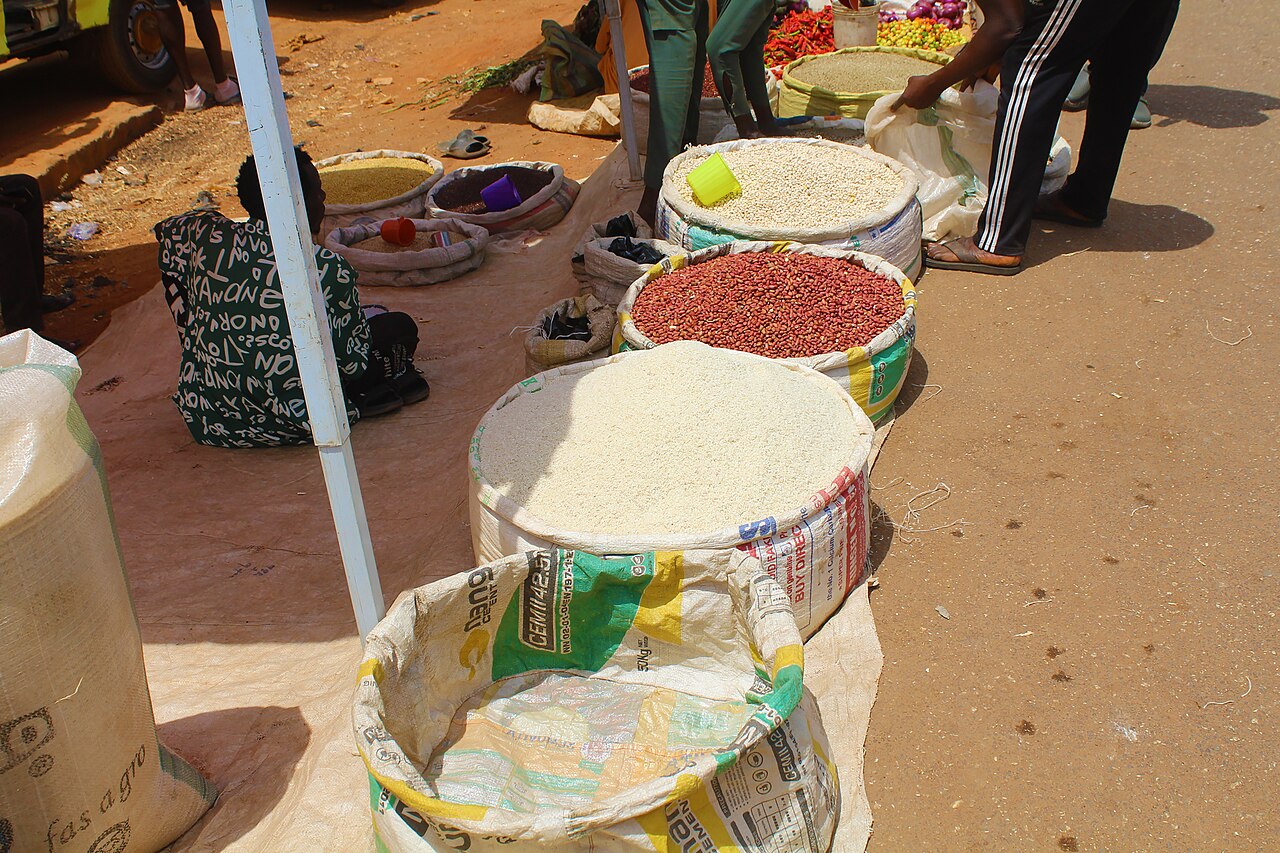
She also tells readers in Africa not to worry if they cannot find the exact ingredients in her book. For example, if a recipe calls for buckwheat or another unavailable ingredient in your region, you can substitute maize or any local grain. “What matters is keeping meals balanced and using what you have.”
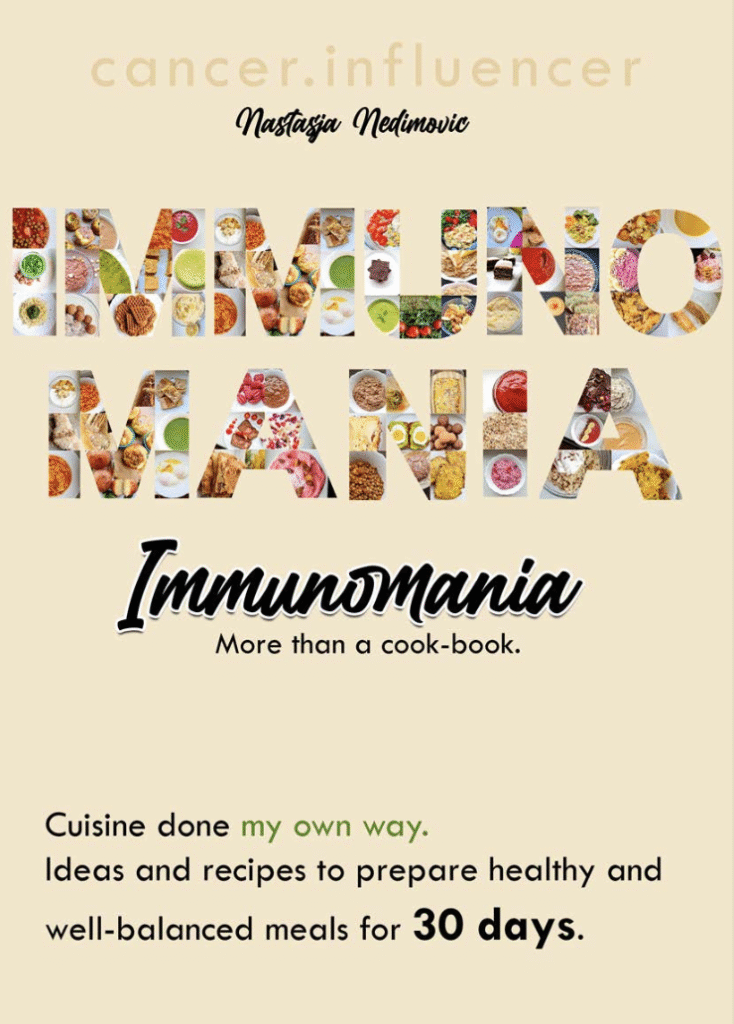
Natasja is offering a free e‑book with her recipe inspirations. Readers can email press@foodforafrica.news to receive their complimentary copy.
Follow @cancer.influencer on Instagram for her personal recipes and health insights. Follow Food for Africa News on Facebook and Instagram for stories on food security, hunger, and resilience across the continent.
Share this story with a friend today. It may save a life.
Sources
- Interview with Nastasja Nedimović
- Red Cross of Vojvodina, internal 2024 blood drive data shared with FFA News.
- World Health Organization (WHO), Blood safety and availability, Fact sheet (2023): https://www.who.int/news-room/fact-sheets/detail/blood-safety-and-availability
- World Health Organization (WHO) Regional Office for Africa, Low donor numbers hamper Africa’s national blood services (2021):
https://www.afro.who.int/news/low-donor-numbers-hamper-africas-national-blood-services - International Agency for Research on Cancer (IARC), GLOBOCAN Africa Fact Sheet, 2024: https://gco.iarc.who.int/media/globocan/factsheets/populations/903-africa-fact-sheet.pdf
- Frontiers in Public Health, Mapping Cancer in Africa (2022): https://www.frontiersin.org/articles/10.3389/fpubh.2022.839835/full
- International Atomic Energy Agency (IAEA), Radiotherapy resources in Africa (2021): https://pmc.ncbi.nlm.nih.gov/articles/PMC8675892/ and Rays of Hope programme page: https://www.iaea.org/bulletin/rays-of-hope
- Intermino, “Intermino helps the Red Cross of Vojvodina use Salesforce”: https://news.intermino.com/intermino-helps-red-cross-use-salesforce.html
This is amazing. What a fighter
I cannot imagine this can I have a recipe book to help my sister who really needs this please pray for her
I am so impressed by this. My uncle is suffering now with cancer with no proper treatment I will recommend this to help and where can I get the recipe book please
Thank you for your comments.
She is so strong 💪