




المغرب يقود مستقبل إفريقيا الأخضر.
المغرب يعيد رسم مستقبله بأهداف واضحة وتقدّم حقيقي.
يأتي نحو 46 في المئة من القدرة الكهربائية المركّبة في البلاد اليوم من مصادر الطاقة المتجددة، مع خطط لرفع النسبة إلى 52 في المئة بحلول عام 2030.
كلّف مجمّع نور ورزازات الشمسي ما يقارب 9 مليارات دولار أمريكي، وينتج حوالي 580 ميغاواط من الطاقة النظيفة، وهي طاقة تكفي لتزويد أكثر من مليون شخص بالكهرباء.
وتضع هذه الإنجازات المغرب بين الدول الرائدة عالميًا في مجال الطاقة المتجددة، وتجعل منه من بين الدول القليلة في إفريقيا التي تقترب من المعايير الأوروبية في هذا المجال.
While many nations are still setting targets, Morocco is already reaching them. Its desert city of Ouarzazate holds one of the largest solar plants on Earth, producing about 580 megawatts of clean power-enough to supply over 1.3 million people. Wind farms along the Atlantic now power entire towns. Together, they help Morocco generate around 38 percent of its electricity from renewables, nearly four times the African average and close to Europe’s own 44 percent.
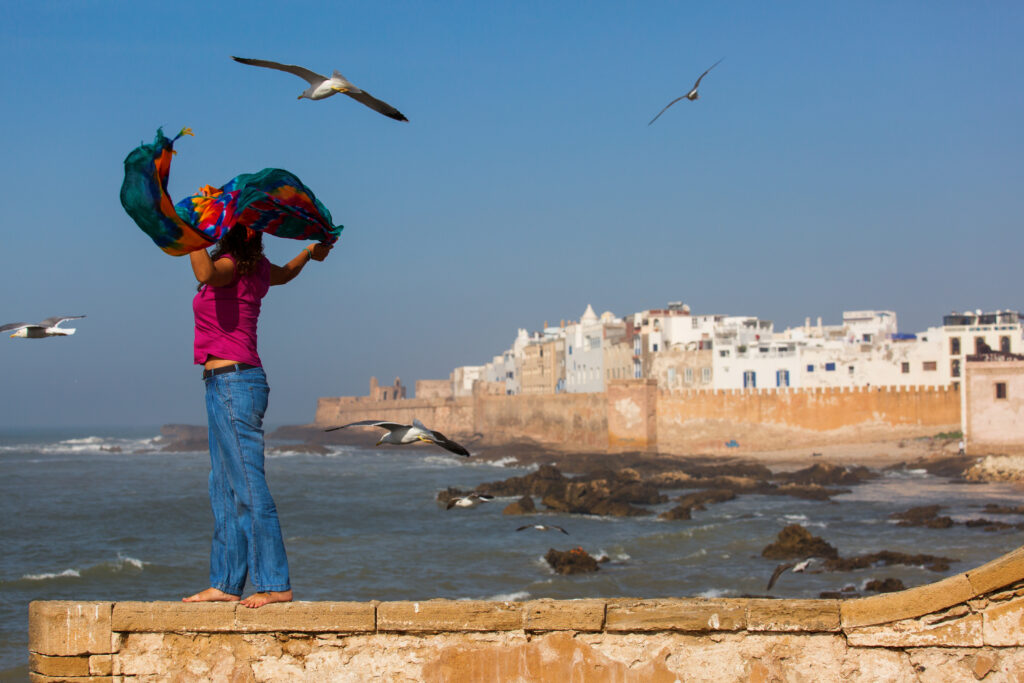
This transformation began twenty years ago, when Morocco depended heavily on imported oil and gas. Instead of waiting for outside aid, it chose to invest in self-reliance. The Noor solar complex uses molten salt to store heat after sunset, keeping lights on through the night. Along the coast, strong winds near Tangier and Essaouira turn turbines that power local industries and shipping hubs.
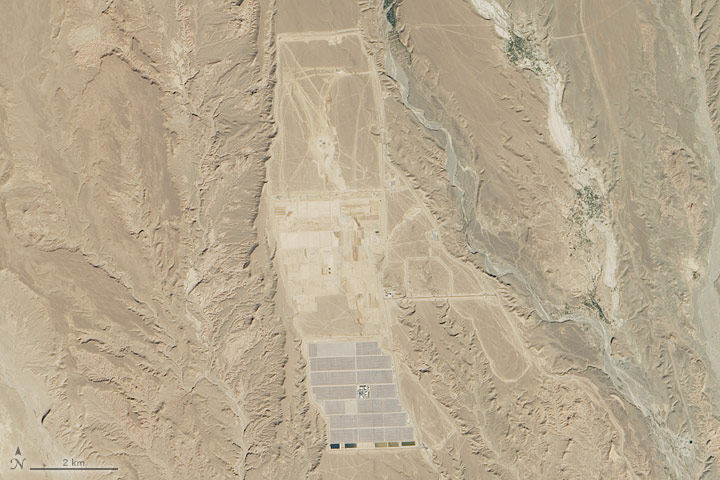
Photo credit: NASA Earth Observatory, Public domain, via Wikimedia Commons
Clean energy has changed more than Morocco’s skyline. It keeps food storage cold, powers irrigation in dry regions, and drives small factories that once struggled with unstable grids. Farmers can now move produce longer distances, and fewer harvests are lost to heat. Reliable power has become part of food security.
Morocco’s climate policy extends beyond its borders. It hosted the COP22 summit in Marrakesh, and now works with the African Development Bank to expand solar and wind projects in countries such as Senegal and Mauritania. These links are designed to strengthen Africa’s shared power network and reduce dependence on imported fuel.

The country’s next goal is global: a 3,800-kilometer undersea cable that will send solar and wind energy from Morocco to the United Kingdom. When complete, it could provide 8 percent of the UK’s total electricity needs. The project positions Morocco as the first African nation to export large-scale renewable energy to Europe. This turns the phrase “bridge between continents” into reality.
Challenges remain. Drought threatens water reserves, and growing cities strain infrastructure. Yet Morocco continues to expand its grid and add new storage systems. For comparison, only about 9 percent of Sub-Saharan Africa currently uses renewable energy at scale. Morocco’s lead shows what determined planning and patient investment can achieve.
Across the continent, countries are taking note. From Kenya’s geothermal plants to Senegal’s solar parks, Africa’s green map is filling in but Morocco remains its clearest example of what sustained action can look like. It proves that progress does not depend on size or wealth, but on decisions made early and kept over time.
Sources:
• Morocco’s 2030 target of ~52% renewable electricity capacity. PVKnowhow+3IEA+3Climate Action Tracker+3
• Renewable energy currently representing ~46% of installed electricity capacity. Morocco World News
• The Noor Ouarzazate Solar Complex cost and capacity (≈ US $9 billion, ~580 MW). World Economic Forum+2GitHub+2
• Morocco’s targets comparing African and European benchmarks in renewables.