




In parts of Africa, farmers no longer ask whether the climate is changing. They ask whether the rains will come at all.
Across the Sahel, planting calendars that once guided generations have become unreliable. Along coastlines from West to East Africa, villages are relocating as the sea advances inland. Yet while Africa remains responsible for less than four percent of global greenhouse gas emissions, it has become one of the world’s most active proving grounds for climate adaptation.
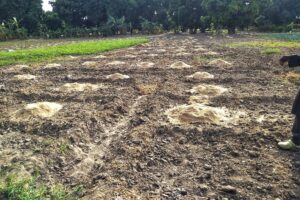
In Niger and Senegal, farmers have restored millions of hectares of degraded land using farmer managed natural regeneration, a low cost technique that allows native trees to regrow from existing root systems. The practice, supported by the African Union backed Great Green Wall initiative, has increased crop yields, reduced soil erosion, and improved household food security across the Sahel. According to the United Nations Convention to Combat Desertification, Niger alone has regenerated over five million hectares of farmland.
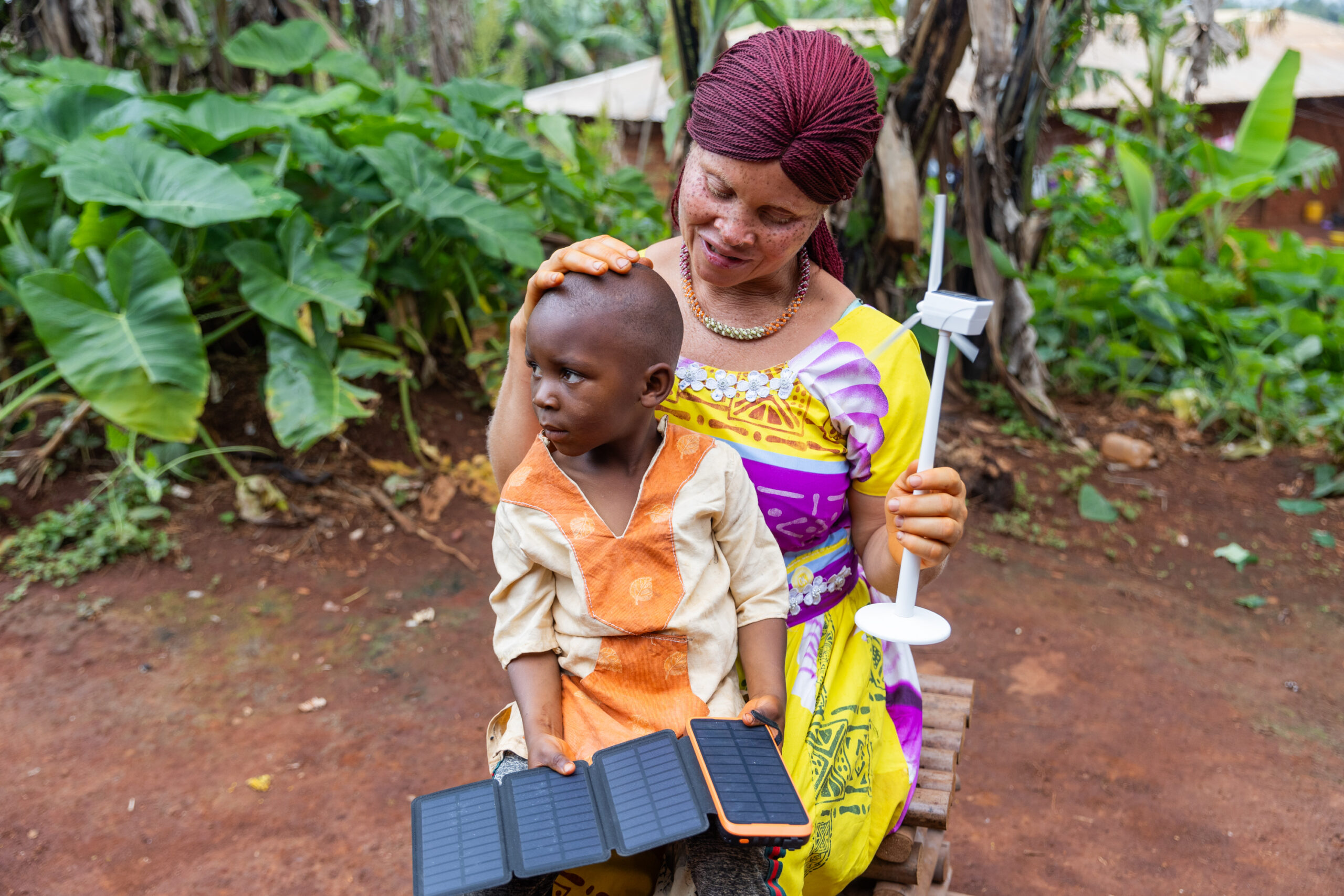
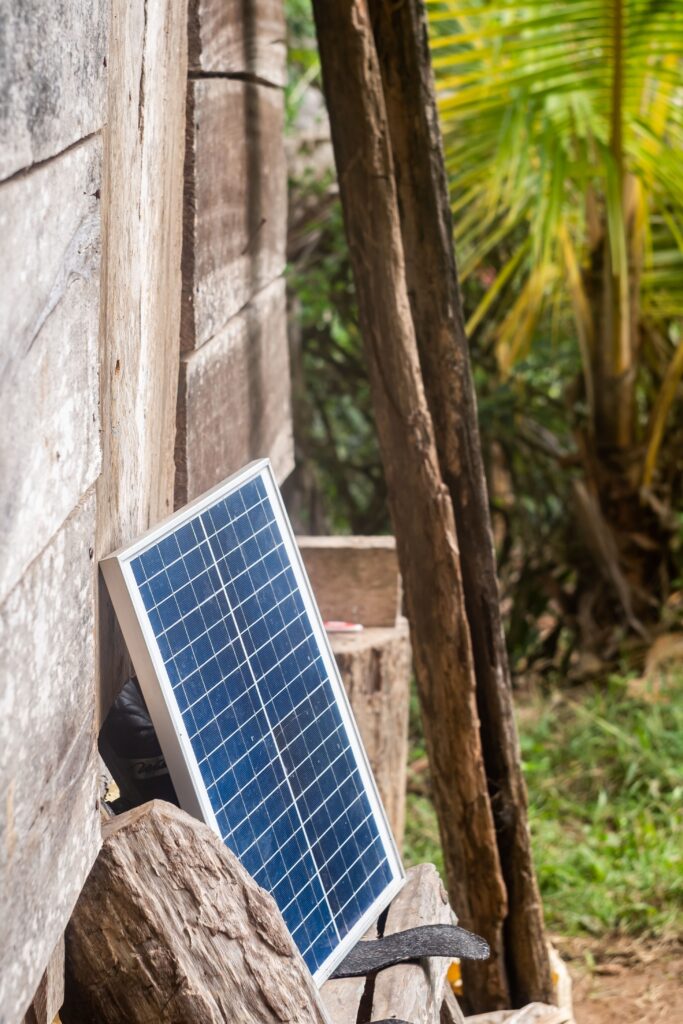
Energy access tells a similar story. Kenya has become a global leader in off grid solar adoption. Small scale solar home systems now provide electricity to millions of rural households, replacing kerosene and diesel while lowering household energy costs. The World Bank reports that Kenya’s off grid solar market is among the most mature in the world, with similar systems expanding rapidly in Ghana and Nigeria.
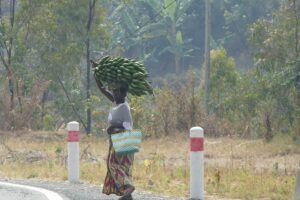
Agriculture is adapting as well. Across southern Africa, farmers are shifting toward drought tolerant crops such as sorghum and millet, combined with water efficient irrigation and diversified planting. Along coastlines from Mozambique to Senegal, mangrove restoration projects are reducing storm damage while protecting fisheries that support local economies.
Africa’s climate response is not theoretical. It is driven by necessity, local knowledge, and incremental change. Communities are adjusting in real time, often without waiting for international funding cycles or global agreements.
As climate impacts intensify worldwide, Africa’s experience offers a clear lesson. Adaptation does not always begin with expensive technology or distant policy pledges. Often, it begins with people responding to what is happening on the ground, restoring what they can, and building resilience where they live.
Sources
United Nations Convention to Combat Desertification. “The Great Green Wall Initiative.”
https://www.unccd.int/our-work/land-and-life/great-green-wall
World Bank. “Off-Grid Solar Market Trends Report.”
https://www.worldbank.org/en/topic/energy/publication/off-grid-solar-market-trends-report
African Development Bank Group. “Climate Change in Africa.”
https://www.afdb.org/en/topics-and-sectors/initiatives-partnerships/climate-change
Food and Agriculture Organization of the United Nations. “Climate-Smart Agriculture in Africa.”
https://www.fao.org/climate-smart-agriculture/africa/en