





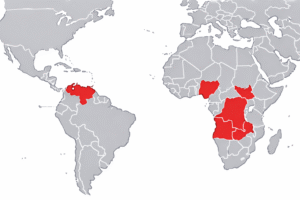



Across Africa, hunger figures still point upward. More than one billion Africans—close to two thirds of the continent—are now estimated to be unable to afford a healthy diet, according to FAO and UNICEF assessments. This remains far above global norms and continues to climb.
Even with hunger rising across much of the continent, a few countries have managed to keep some nutrition indicators down. None has ended hunger, and all still face economic pressure. But five countries, Tunisia, Morocco, Mauritius, Ghana and Rwanda, show lower stunting rates, stronger child growth or better diet affordability than Africa’s average. Each country has differing reasons.
Tunisia: Stunting in single digits
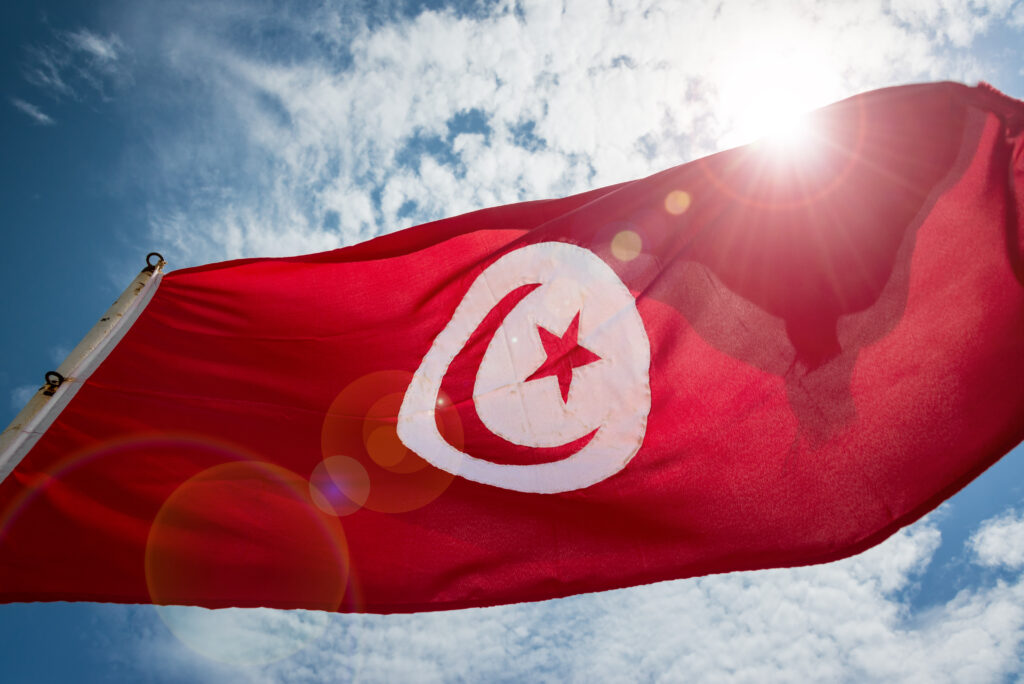
Tunisia reports some of the lowest child stunting levels in Africa. Joint UNICEF–WHO–World Bank data place stunting at around 8.4 percent for children under five. This compares with an African regional average of about 30.7 percent. A peer-reviewed study reports underweight at roughly 1.5 percent and wasting near 2.1 percent, far below typical continental levels.
Tunisia’s reduction has been gradual, beginning in the early 2000s as maternal health, immunisation and routine child-growth monitoring expanded. The concern now is rising food prices and the spread of processed foods, which may shift the country toward new nutrition problems even as stunting remains low.
Morocco: Fewer people priced out of a healthy diet
Morocco stands out for diet affordability. FAO estimates show the share of Moroccans unable to afford a healthy diet declined from 18.9 percent in 2017 to around 16.7 percent in 2020. This sits far below the Africa-wide estimate, where roughly two in three people cannot afford a balanced diet.
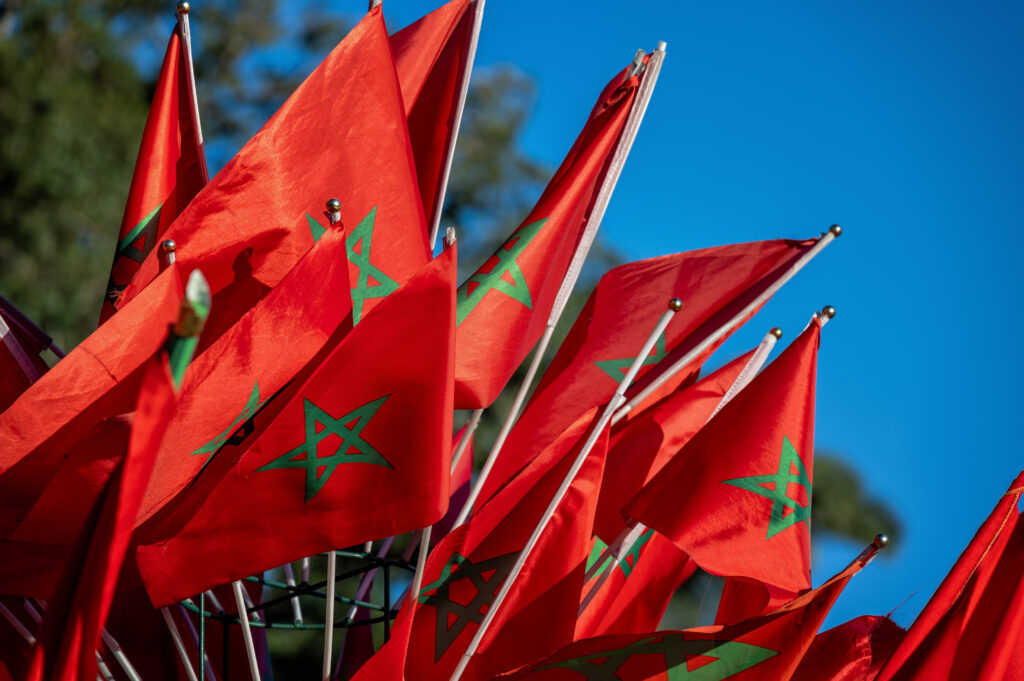
Child stunting in Morocco is around 15.1 percent, roughly half the continental average. Investments in rural roads, irrigation, cereal and fruit production, and social support during food-price shocks have helped stabilise household access to food. Challenges remain, including rural poverty and growing urban diet-related disease, but Morocco continues to record some of the continent’s lower hunger indicators.
Mauritius: Among the most stable child-growth figures in Africa

Mauritius remains one of the continent’s strongest performers on child growth. UNICEF’s country dataset places child stunting at around 9 percent. Independent modeled estimates from CEIC/World Bank track similar levels between 8–9 percent. Wasting and underweight rates are also low.
Flag photo attribution: Yang Hai, CC BY-SA 2.0 https://creativecommons.org/licenses/by-sa/2.0, via Wikimedia Commons
Despite heavy reliance on imported food, Mauritius maintains stable nutrition outcomes through steady food markets, widespread access to basic health services and long-running school meal programmes. Global price shocks still affect the country, but child-growth indicators have held relatively firm.
Ghana: Thirty Years of Decline in Child Stunting
Ghana has recorded one of the most sustained declines in stunting in West Africa. Between 1993 and 2022, the rate fell from about 32.7 percent to 17.3 percent, according to a published analysis of national Demographic and Health Surveys. The Global Nutrition Report lists Ghana’s current stunting prevalence at about 17.5 percent, placing it below the African average.

These gains reflect community health work, early-growth monitoring, vitamin supplementation and expansion of the national school feeding programme. But rising food prices now place strain on diets. Surveys suggest that more than half of adults say they cannot afford a healthy diet each day. Without relief in the cost of protein, fruits and vegetables, Ghana risks slowing the gains made over three decades.
Rwanda: Child growth gains, but high diet costs

Rwanda has reduced stunting from about 44 percent in 2010 to around 33 percent in 2020. Improvements in maternal health, sanitation and access to early-child services support this shift. Rwanda has also taken part in the continent-wide expansion of school feeding in recent years.
Diet affordability, however, remains a major pressure point. Recent research shows that up to 70 percent of wage-earning households in Rwanda cannot afford a recommended healthy diet. This places Rwanda among the higher unaffordability rates in Africa, despite clear gains in stunting.
Shared Patterns
Tunisia, Morocco and Mauritius record some of the lowest stunting or diet-unaffordability levels on the continent. Ghana and Rwanda show that long-term commitment to community health and school meals can lower stunting significantly over time. Their experiences differ, but the shared elements are plain: early investment in maternal and child services, wide access to basic health care, and reliable links between farmers, markets and school feeding programmes.
Despite progress, rising food prices, widening urban poverty and rapid growth of processed-food consumption remain the strongest threats to further improvement. Even so, these five countries illustrate that steady declines in malnutrition are possible in African settings with consistent public health and food-system planning.
Sources
Featured image: Kabukasteven, CC BY-SA 4.0 https://creativecommons.org/licenses/by-sa/4.0, via Wikimedia Commons
1. UNICEF–WHO–World Bank Joint Child Malnutrition Estimates Database (Tunisia stunting ~8.4%)
https://data.unicef.org/resources/jme/
2. Elmighrabi, N.F. et al. “Factors Associated with Childhood Stunting in Four North African Countries.” Nutrients, 2024 (Tunisia underweight 1.5%, wasting 2.1%).
https://pmc.ncbi.nlm.nih.gov/articles/PMC10892369/
3. Global Nutrition Report – Tunisia Profile (Regional comparison: Africa ~30.7% stunting)
https://globalnutritionreport.org/resources/nutrition-profiles/africa/northern-africa/tunisia/
4. FAO Cost & Affordability of a Healthy Diet (global and Africa diet unaffordability data; Morocco diet affordability trend)
https://www.fao.org/3/cc3017en/online/state-food-security-and-nutrition-2023/cost-affordability-healthy-diet.html
5. Morocco World News – Reporting FAO figures for healthy diet unaffordability decline (18.9% → 16.7%)
https://www.moroccoworldnews.com/2022/07/43925/un-report-5-6-of-moroccos-population-suffer-from-undernourishment/
6. Global Nutrition Report – Morocco Profile (Child stunting ~15.1%)
https://globalnutritionreport.org/resources/nutrition-profiles/africa/northern-africa/morocco/
7. UNICEF Country Database – Mauritius (Stunting ~9%)
https://data.unicef.org/sdgs/country/mus/
8. CEIC / World Bank Modeled Estimate for Mauritius Stunting (8–9%)
https://www.ceicdata.com/en/mauritius/social-health-statistics/mu-prevalence-of-stunting-height-for-age–of-children-under-5-modeled-estimate
9. Osborne, A. et al. “Trends and Inequalities in Stunting and Underweight Among Children Aged 0–59 Months in Ghana, 1993–2022.”
https://equityhealthj.biomedcentral.com/articles/10.1186/s12939-025-02519-x
10. Global Nutrition Report – Ghana Profile (Stunting ~17.5%)
https://globalnutritionreport.org/resources/nutrition-profiles/africa/western-africa/ghana/
11. Research on Ghana diet affordability / adult reports of inability to afford healthy diets
https://www.myjoyonline.com/65-of-adult-ghanaians-cannot-afford-healthy-diets/
12. Rwanda stunting reductions (peer-reviewed): “Determinants of Stunting in Children Under Five Years in Rwanda.”
https://bmcnutr.biomedcentral.com/articles/10.1186/s40795-023-00806-w
13. Rwanda diet-affordability data (~70%): CGIAR Food Systems Research Report
https://cgspace.cgiar.org/server/api/core/bitstreams/8c24b8da-1895-49af-b00c-071d8a7ea214/content
14. FAO/UNICEF/WHO SOFI dataset – Global cost and affordability (1 billion Africans unable to afford a healthy diet)
https://www.fao.org/3/cc3017en/online/state-food-security-and-nutrition-2023/snapshots.html