



Pain has a way of changing everything. Dr. Abdul Karim Williams treats patients whose joint disease quietly takes away their ability to work, earn, and care for their families, long before anyone calls it an illness.
“A typical example is when a patient is struggling to get off the bed, go down the stairs, or even put on their clothes. When that happens, they cannot be as effective at their job as they need to be.”
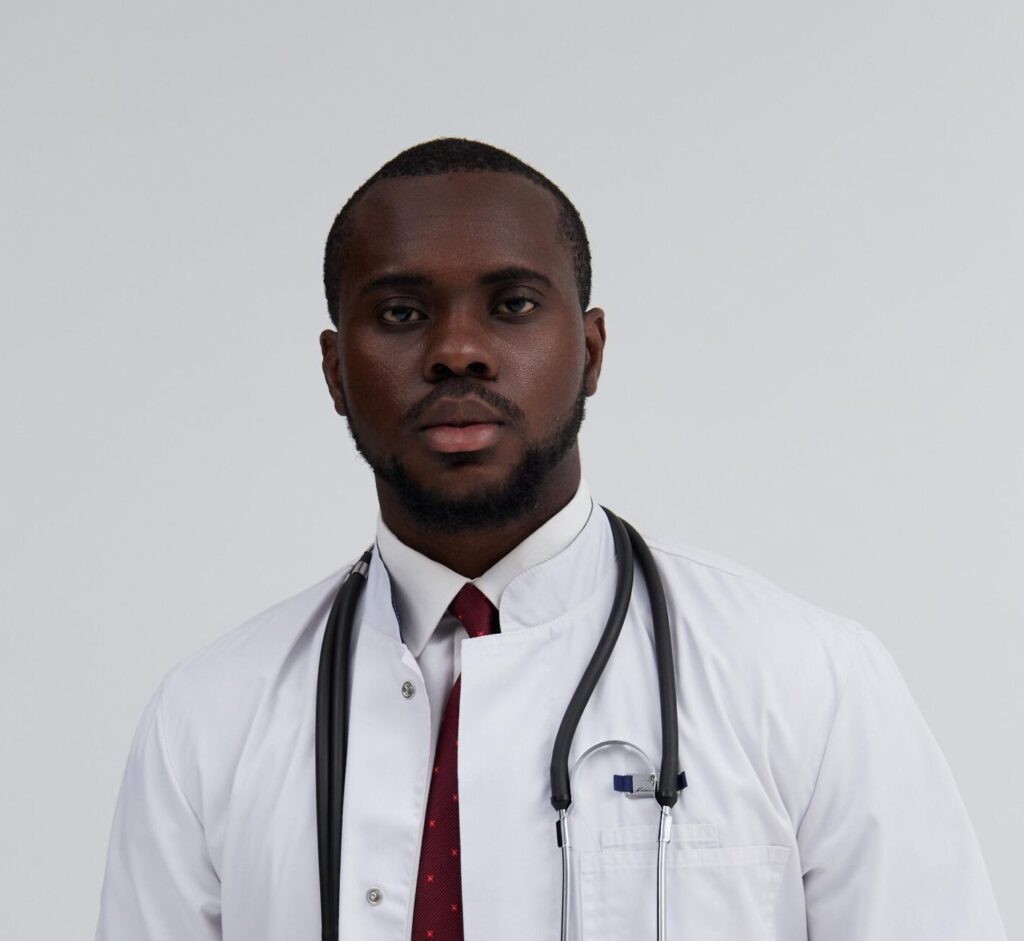
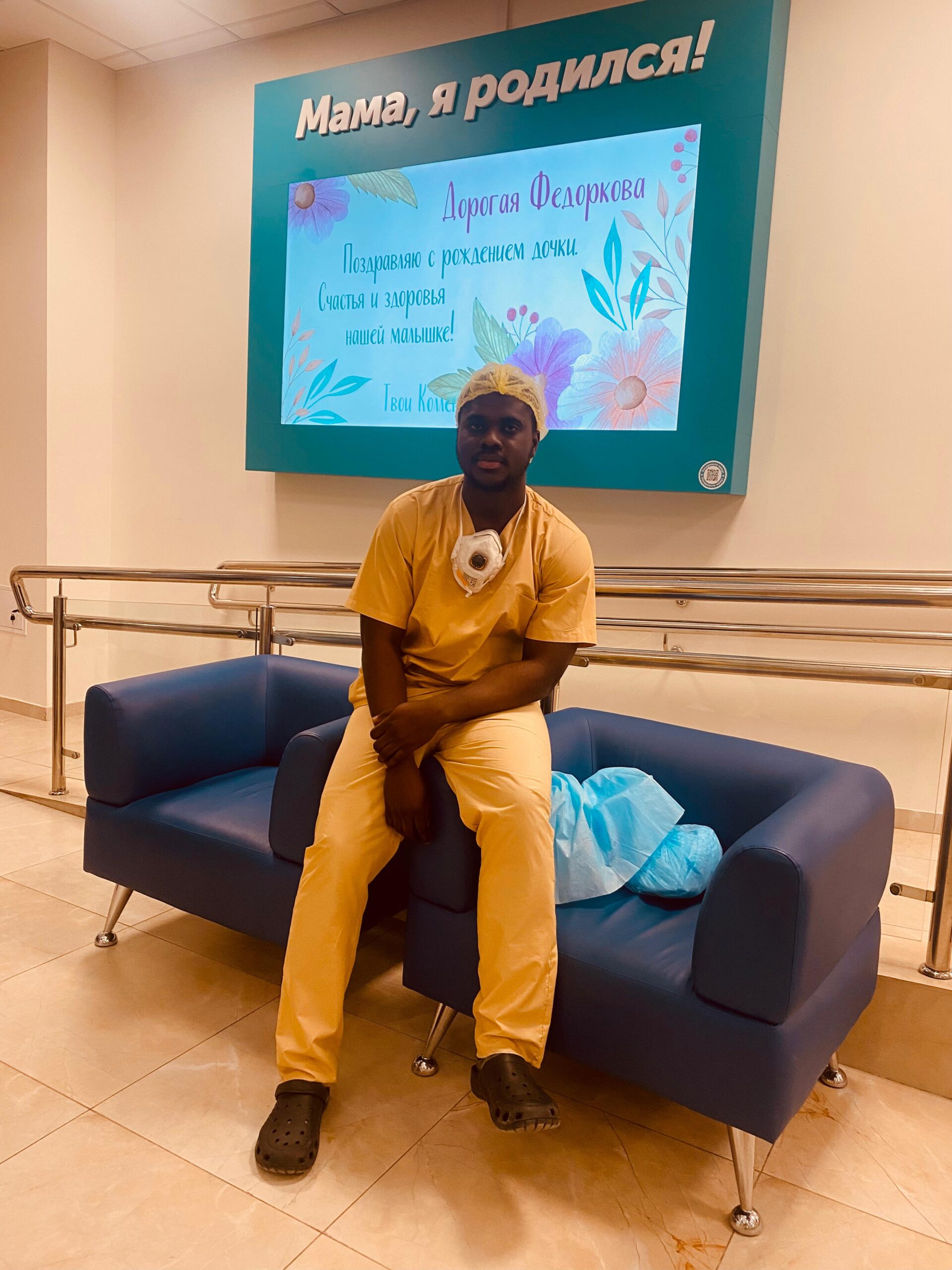
Dr. Williams is a physician training in rheumatology, a specialty that deals with autoimmune and inflammatory diseases affecting joints, muscles, bones, and internal organs. His work places him at the intersection of chronic illness and daily survival. Rheumatic diseases affect people across all age groups, including children and working adults. When chronic and progressive pain is left untreated or poorly managed, it can result in permanent disability and, in some cases, life threatening complications.
Yet these diseases are widely misunderstood.
“The biggest misunderstanding people have is assuming these conditions are simply ‘arthritis’ or just joint pain. In reality, rheumatic diseases are complex. They can affect not only the joints but also muscles, bones, skin, and most importantly internal organs.”
In Sierra Leone and across many low and middle income countries, access to rheumatology care remains extremely limited. Diagnostic tools are scarce and key medications are often unavailable.
“Rheumatologists are extremely scarce here, and because of that, many cases go undiagnosed or are diagnosed very late.”
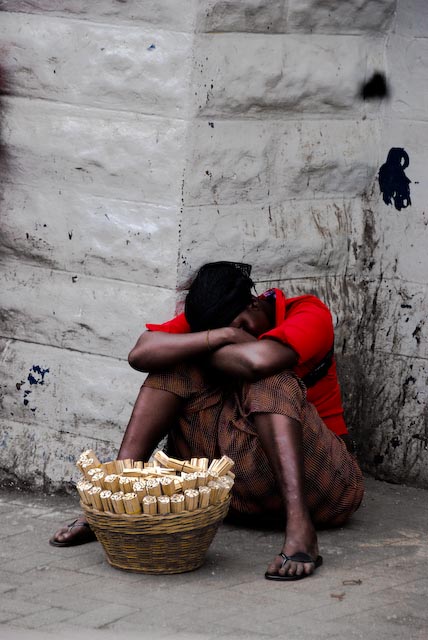
In many communities, people are raised to believe pain should be endured rather than treated. Seeking medical care early is often viewed as unnecessary or unacceptable. Going to the hospital when symptoms are still mild is commonly seen as a sign of weakness, or as a luxury that cannot be justified.
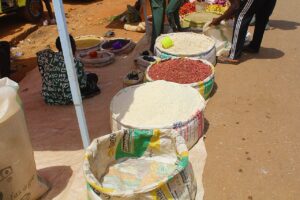
Often times, the economic reality enforces this mindset. “When families must choose, food usually comes first.”
As a result, people will ignore the symptoms and avoid seeking care. Many will try self medication.
“For rheumatic diseases, there is a period we call a therapeutic window. At that stage, treatment is very effective and outcomes are usually very good. Unfortunately, most patients seek specialist care much later, when irreversible damage has already been done.”
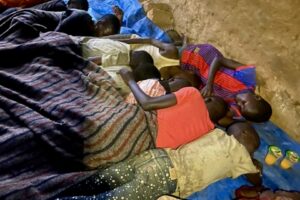
Households are forced into impossible trade offs. School fees, medical care, or meals. In many cases, treatment is postponed so families can eat. Children are particularly vulnerable.
“When a child is in constant pain, everything in the home changes. Education suffers. Parents have to miss work. The household economy is affected.”
Over time, rheumatic disease becomes not just a health issue, but a driver of long term poverty and food insecurity. Dr. Williams emphasizes that earlier awareness could prevent much of this damage.
“Education, awareness, and prevention are key. The earlier you start receiving effective care, the better your chances.”
Yet basic education about chronic pain and inflammatory disease is rarely taught. Pain is accepted as normal until it becomes disabling.
“This has to change. Education is the first line of treatment.” People often see the root cause of hunger as problems in supply chains or with agriculture. But, untreated illness also plays a role that is rarely acknowledged.
Dr. Williams represents a growing group of Africans choosing to train in highly specialized fields where the need is greatest. Across the continent, more doctors, researchers, and health professionals are pursuing advanced training not to leave, but to serve their communities more effectively.
Africa is also the youngest continent in the world. A majority of its population is under the age of 25. That youth brings both urgency and opportunity. With the right access to education and training, this generation has the potential to reshape health systems that are currently overstretched.
Specialists like Dr. Williams are urgently needed across Africa, particularly in fields that address chronic disease, disability, and long-term productivity. His path offers a practical example to younger students who want to make a difference in the lives of others.
Students interested in contributing can start locally. Universities, teaching hospitals, and medical training programs can provide information on pathways to higher education and specialization. Building skills in critical areas of medicine is one of the most direct ways to fight disease, reduce poverty, address malnutrition, and save lives.