




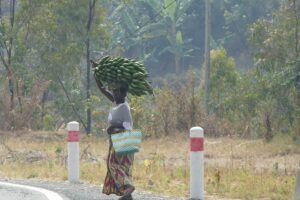


What the African Union is planning, what looks promising, what raises concern, and what it means for everyday people
As this year closes and the continent looks toward 2026, Africa is standing at the edge of another major attempt to reset how food, farming, and agriculture are managed across its nations. Quietly but decisively, the African Union has adopted a new long-term agriculture roadmap covering 2026 to 2035. It replaces previous strategies that many governments now privately admit failed to reach ordinary farmers or reduce hunger at scale. On paper, this new vision aims to rebuild Africa’s food system from the soil upward. In practice, its success will depend entirely on whether history finally breaks its familiar cycle of promises without delivery.
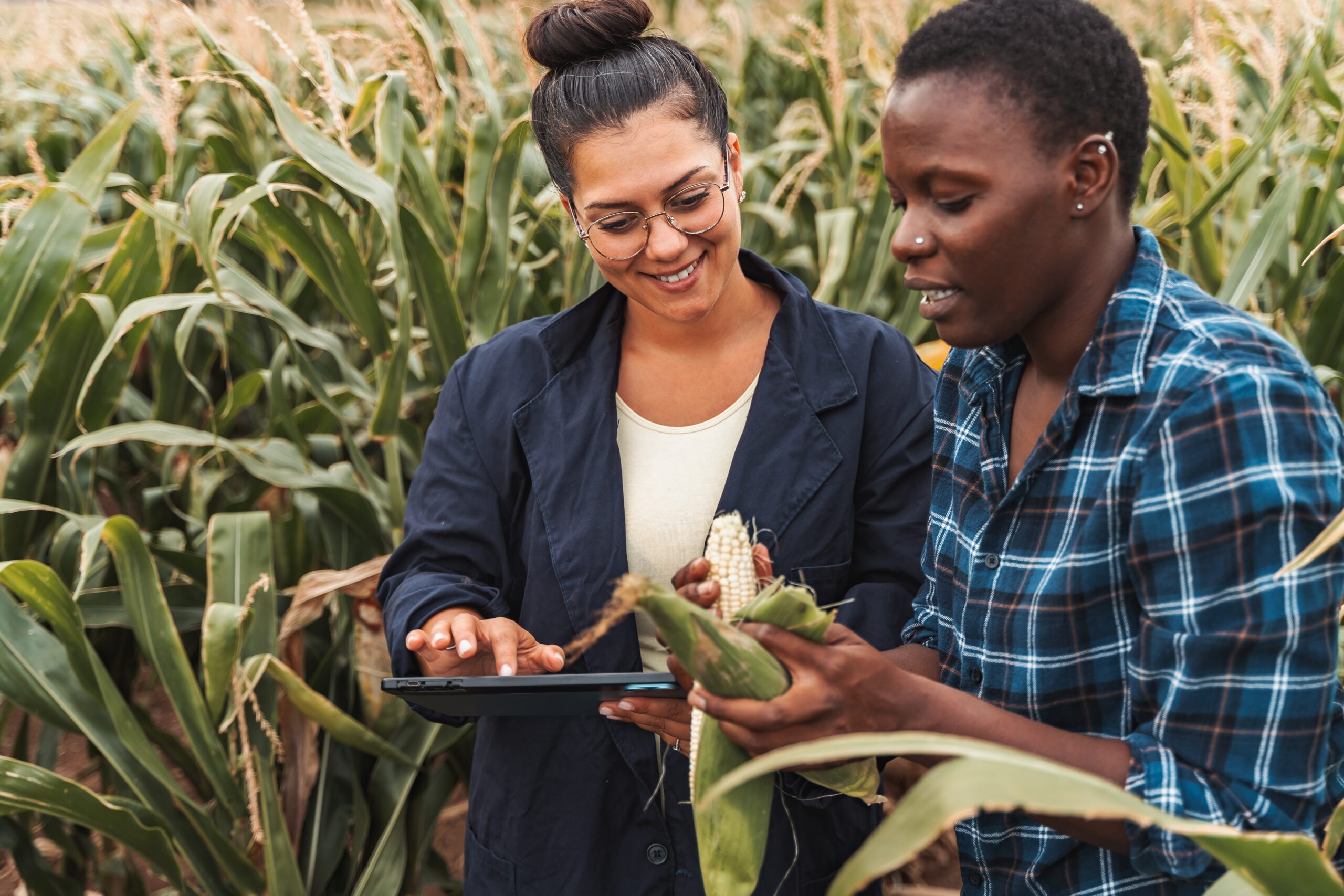
At its core, the new plan sends a blunt message to governments across the continent. Africa can no longer depend so heavily on imported food while fertile land lies idle. Farmers can no longer remain poor while feeding entire nations. Hunger can no longer expand alongside unused farmland. The central promise of the vision is simple: increase the amount of food grown within Africa, strengthen farmer support systems, reduce food prices for ordinary households, cut hunger and malnutrition, generate jobs through farming and food processing, and prepare agriculture to survive accelerating climate change. Alongside this, governments are being pushed toward modernization through improved irrigation, stronger storage systems, better transport routes, digital farmer platforms, and more resilient local food markets. On paper, this is the kind of national planning experts have long called overdue.
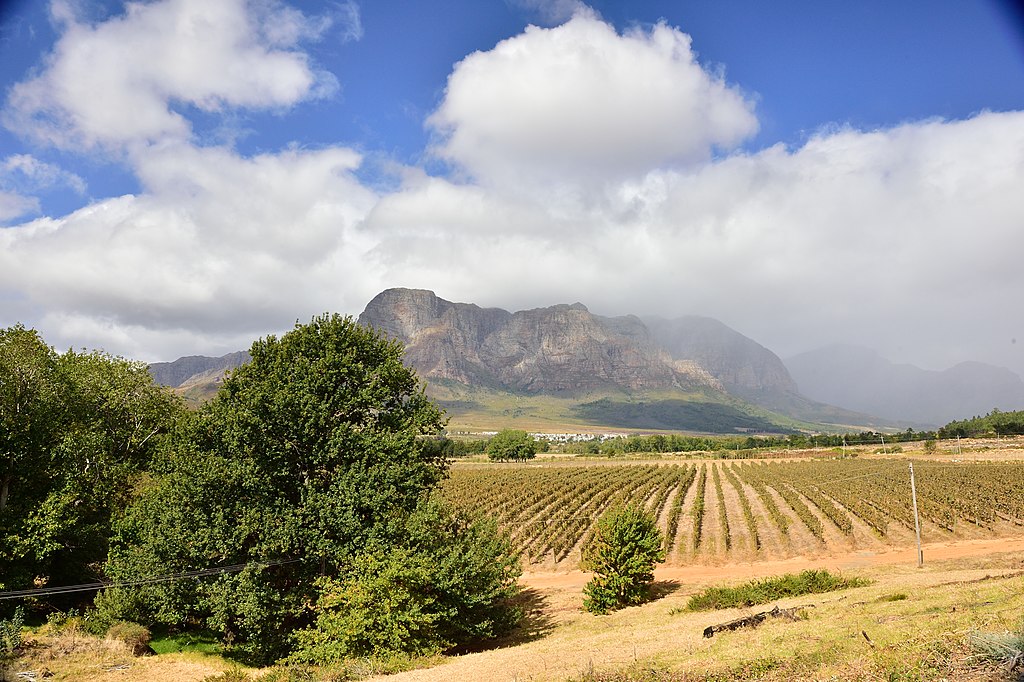
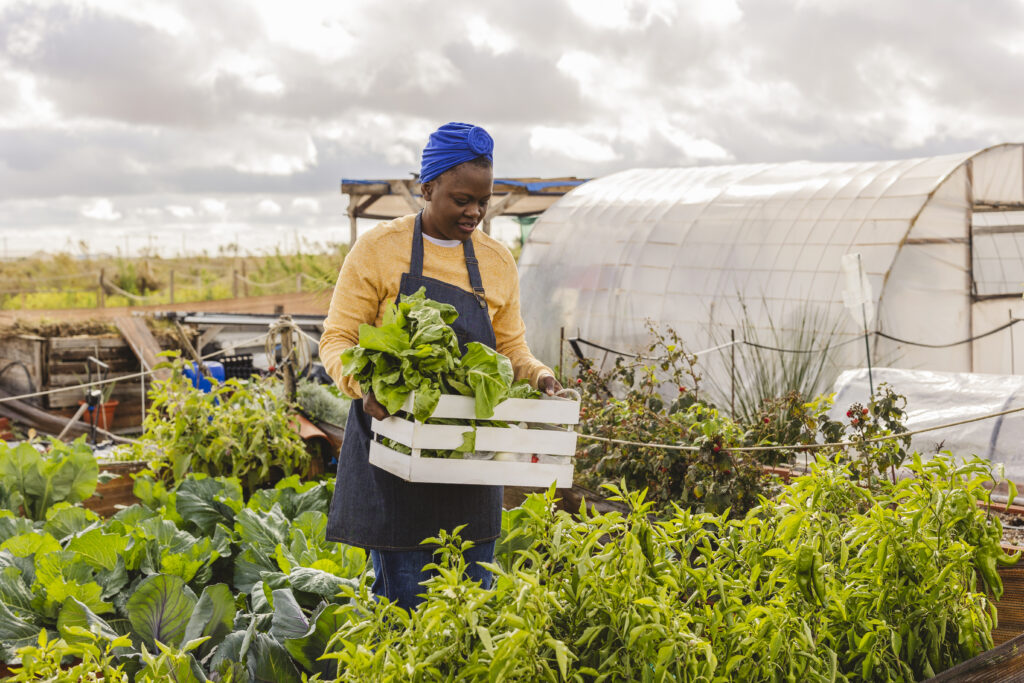
Photo: South African Tourism from South Africa, CC BY 2.0 https://creativecommons.org/licenses/by/2.0, via Wikimedia Commons
The strategy also marks a rare admission at continental level that the old approach failed. Across Africa, nations have spent billions importing rice, wheat, poultry, and processed foods despite having sufficient land, water, and labor to meet most of these needs locally. This dependency weakened food security instead of strengthening it. The new framework openly acknowledges that mistake. More importantly, it puts small farmers back at the center of the food system. These farmers already produce most of Africa’s food, yet they remain among the poorest citizens in many countries. The vision states plainly that they must be paid better, protected from exploitation, connected directly to fair markets, and given access to tools and financing. If these commitments move beyond policy documents and into villages and fields, rural poverty could finally begin to fall.
Food is also being pulled into national security discussions in a way that would have sounded extreme just a decade ago. Hunger is no longer treated as a purely social issue. Governments now openly link food shortages to unrest, migration, crime, and political instability. This shift has elevated agriculture to a higher level of political urgency than before. Climate change is being handled with the same blunt realism. Floods, droughts, and extreme heat are already destroying harvests across many regions. The new plan prioritizes climate-resilient seeds, water control systems, soil protection, and early warning weather systems. This shift is no longer optional. It is survival.
The optimism is real. The risks underneath it are just as real. Large agriculture budgets are often announced with political fanfare, but real money frequently becomes trapped inside ministries, diverted through politically connected companies, or lost in project mismanagement. Small farmers too often see no direct benefit. There is a real danger that this new plan could again enrich a narrow elite while leaving the people who actually grow the food behind.
The strategy also places heavy emphasis on digital agriculture, data platforms, and automated systems. While these tools may boost productivity in high-capacity regions, many farmers still lack stable electricity, internet access, smartphones, or even basic literacy support. If basic access is not addressed first, technology risks deepening inequality between large commercial farms and rural subsistence farmers. And hovering over every promise is the problem Africa knows too well. Corruption. In agriculture, massive budgets combined with weak oversight have historically produced big spending and small results. Without strong transparency and enforcement, this pattern will repeat.
For ordinary people, none of this will arrive all at once. Farmers may begin seeing new subsidy programs, seed distributions, training opportunities, irrigation projects, and loan offers. At the same time, they will need to exercise caution, read contracts carefully, verify payment terms, and question middlemen. Not every program will be free, fair, or transparent.
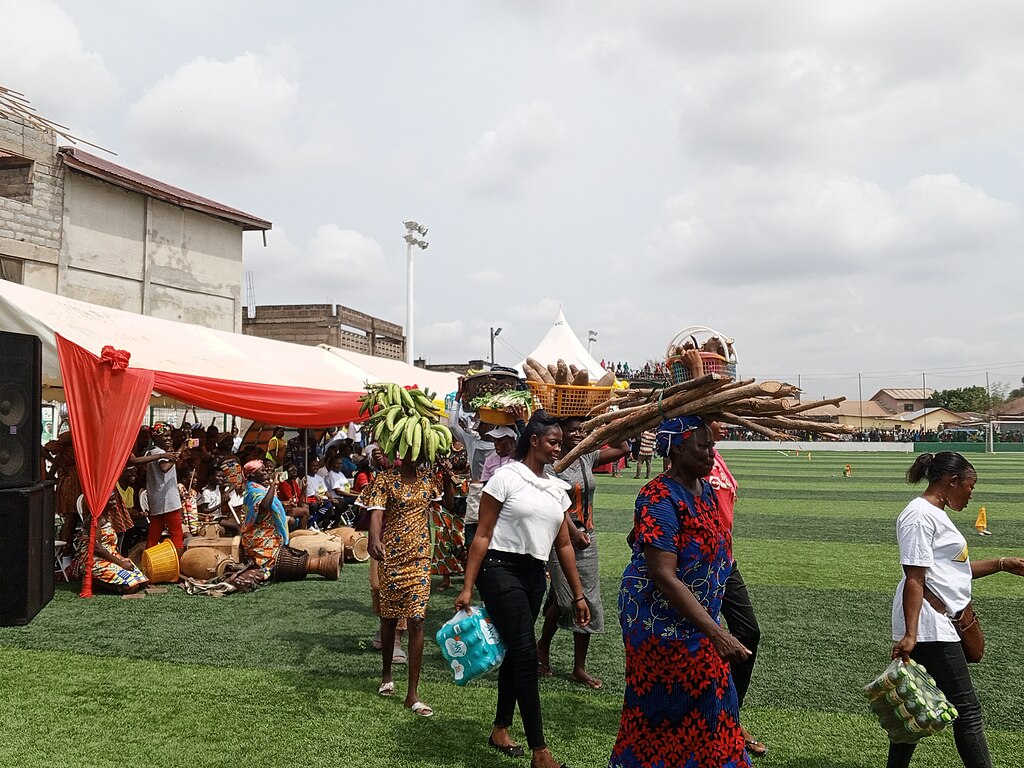
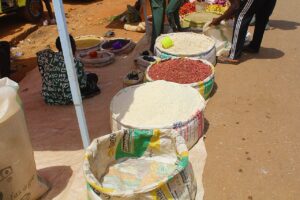
Photo: ladies in a market in Ghana, JayBrezzay, CC BY-SA 4.0 https://creativecommons.org/licenses/by-sa/4.0, via Wikimedia Commons
For those buying food in local markets, success could eventually mean more locally grown rice, vegetables, and poultry, alongside reduced dependence on imports. Prices may stabilize or even fall, but this will take years, not months. For food traders and business operators, new regulations, quality standards, local sourcing policies, and processing incentives may bring new opportunity alongside new costs of compliance.
For parents and households, the stakes are far more direct. School feeding programs, household nutrition, food affordability, and children’s health all rise or fall with the strength of agriculture. When agriculture improves, family stability improves. When it fails, hunger spreads faster than any disease.
In the end, Africa’s agriculture vision for 2026 to 2035 says all the right things. Grow food locally. Support farmers. Fight hunger. Prepare for climate change. The plan itself is not the problem. The real question is whether the money will finally reach the farms, or vanish once more into offices, contracts, and bureaucracy. That one outcome will decide whether Africa finally feeds itself in the next decade, or remains stuck buying what it already knows how to grow.
Sources
African Union Commission. CAADP Strategy and Action Plan 2026–2035. Addis Ababa: African Union, 2024.
https://au.int/sites/default/files/documents/44344-doc-3.EN_CAADP_Strategy_and_Action_Plan-_2026-2035_September_15_2024_Final.pdf
African Union. “Agricultural Development.” African Union Official Portal.
https://au.int/en/agricultural-development
African Union. “African Union Adopts Third CAADP Roadmap for Agriculture by 2035.”
https://au.int/ar/node/44368
World Organisation for Animal Health, Regional Representation for Africa. “African Union Adopts Third CAADP Roadmap for the Continent’s Agricultural Development by 2035.”
https://rr-africa.woah.org/en/news/african-union-adopts-third-caadp-roadmap-for-the-continents-agricultural-development-by-2035/
Food and Agriculture Organization of the United Nations. The State of Food Security and Nutrition in the World. Rome: FAO, latest edition.
https://www.fao.org/publications/fao-flagship-publications/the-state-of-food-security-and-nutrition-in-the-world/en