





The center of gravity is shifting here.
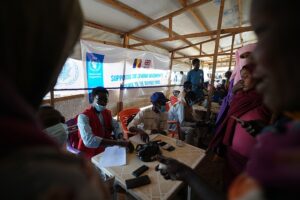
Something is changing across the continent, and it is visible in ordinary places. In the sound of construction along major roads. In the steady spread of mobile money agents at market gates. In new trade routes that stretch from Lagos to Abidjan, from Nairobi into northern Tanzania, from Kigali out toward Goma and Bukavu. The shift is not dramatic in the cinematic sense. It is gradual, layered, and already underway.
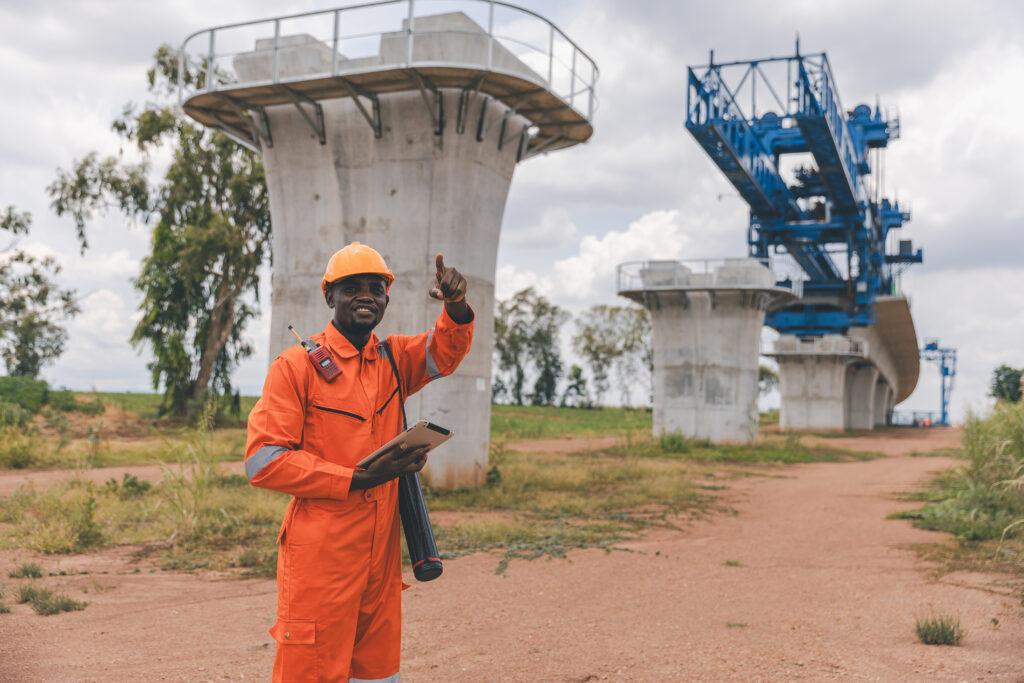
Africa has the youngest population of any region in the world. The median age is 19.7. In Europe it is 44, in the United States 38. East Asia is aging as well. In Japan, adult diaper sales have exceeded baby diaper sales for several years. South Korea now holds one of the lowest birth rates recorded anywhere. China’s working-age population has begun to contract. These are not side facts. They determine the global map of labor, industry, and growth for the next fifty years. A continent of young people represents future workers, future producers, and future consumers. A continent growing older must adapt to preserve what it has. Africa holds the one resource that cannot be borrowed or imported: TIME.

Technology reveals how that advantage is being used. Africa is the fastest growing mobile internet market in the world, with more than 650 million mobile users. That is more than the United States and the European Union combined. Where traditional banks did not reach, mobile payments did. In Kenya, roughly nine in ten adults use M-Pesa or similar systems. Digital tools became the default not because they were new, but because they were practical. There was no past system to dismantle.
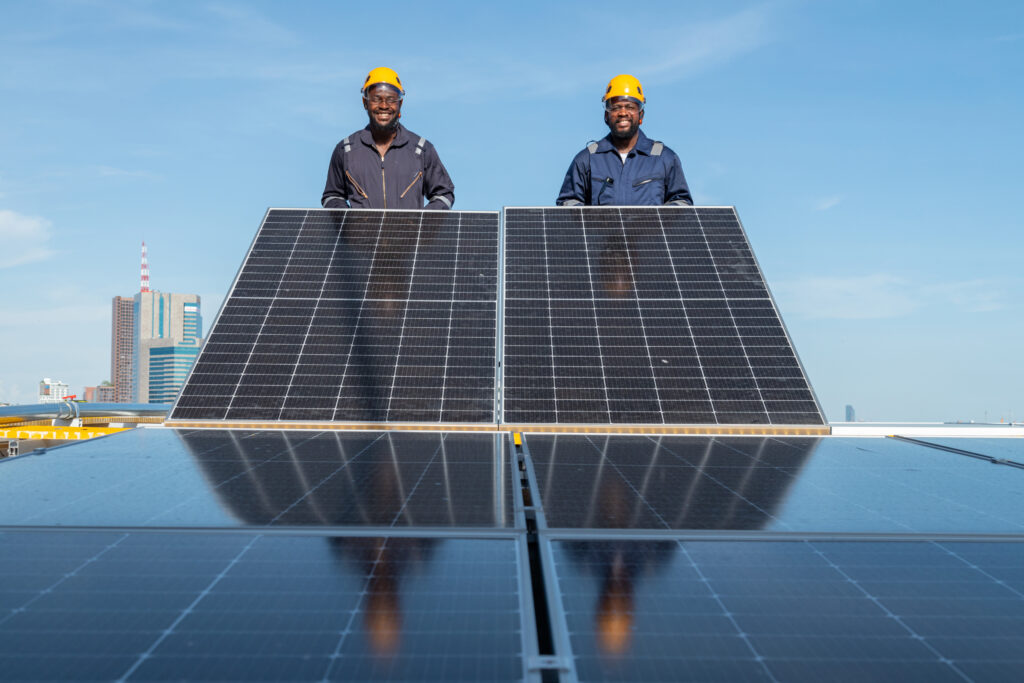
Energy development moves in the same direction. Africa holds around 60 percent of the world’s best solar potential. Less than 1 percent of that capacity is currently used. The room to expand is enormous. Morocco is already operating one of the largest solar complexes in the world. Kenya generates most of its electricity from renewable sources. Ethiopia continues to build hydropower and wind. These are not energy transitions away from established fossil dominance. These are foundations being laid for the first time.
Cities are carrying this change outward. Lagos grows faster than the census can track. Nairobi’s technology hubs anchor regional digital infrastructure. Dar es Salaam expands along the coast and inward at the same time. Accra’s cultural economy influences West Africa and beyond. Kigali reorganizes itself through planning and municipal reform. These cities do not resemble earlier urban models. They are improvisational, pressured, adaptive, and fast. They reshape identity as they grow.
Agriculture is where potential and vulnerability sit side by side. Africa holds about 60 percent of the world’s remaining uncultivated arable land. Production is increasing in cocoa processing in Ghana and Côte d’Ivoire, in horticulture from Kenya, in rice and cassava supply in Nigeria, and in grain corridors stretching through Zambia, Tanzania, and Mozambique.
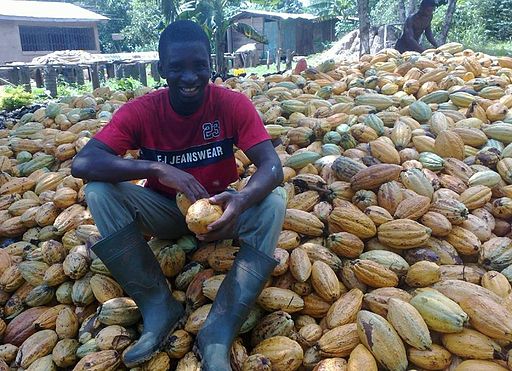
Photo: Ghana cocoa farmer by Rberchie, CC BY-SA 4.0 https://creativecommons.org/licenses/by-sa/4.0, via Wikimedia Commons
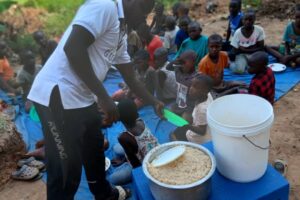
Yet hunger persists in regions where climate pressure, conflict, displacement, or weak storage and transport systems break the chain between field and household. In Somalia and Ethiopia’s Somali Region, drought undermines livestock survival. In northern Nigeria and South Sudan, conflict disrupts farming. In Madagascar’s south, rainfall patterns have shifted against communities that have few alternatives. These are not signs of failure. They are signs of systems still under construction.
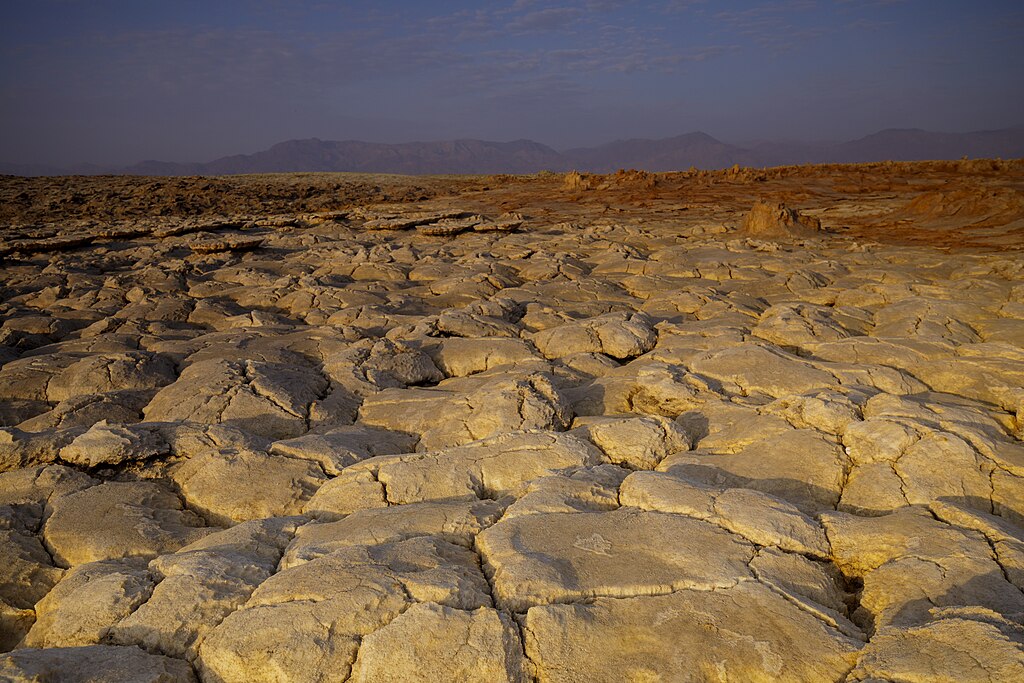
Photo: Thomas Fuhrmann, CC BY-SA 4.0 https://creativecommons.org/licenses/by-sa/4.0, via Wikimedia Commons, Dallol, colorful below sealevel – taken during an overlanding trip to Ethiopia in 2019 – taken by Thomas Fuhrmann, SnowmanStudios – see more pictures on www.snowmanstudios.de
Some governments are making gradual adjustments in the parts of the system they can realistically influence. In some places this shows up in better coordination between ministries. In others it is seen in more predictable budgeting, improvements in local planning offices, or efforts to digitize basic public records. Rwanda, Ghana, Kenya, Botswana, and Morocco each show different approaches, shaped by local pressures and institutional capacity. None of these paths are complete or without setbacks. They reflect what is possible at a given moment rather than a model to copy.
Money is beginning to move toward places where systems are improving, but not evenly or at the same pace across the continent. Some regions attract long-term capital that focuses on infrastructure or manufacturing. Others draw shorter investment cycles tied to technology or logistics. In certain corridors, local investment groups and community financing play a larger role than foreign backers.The overall trend shows capital moving toward places where coordination and stability are improving, even if unevenly. For example, Nairobi continues to draw investment into its technology and logistics networks because firms can operate there with relative predictability. In Ghana, stable contract enforcement and clearer business procedures have encouraged both regional and diaspora investors to expand commercial and agricultural ventures.
This rise does not eliminate hardship. Nor does not erase conflict or remove hunger. It does not make inequality disappear. But it changes the framework through which these issues are understood. Hunger is not the defining feature of Africa but it is a problem that must be addressed alongside progress, not instead of it.
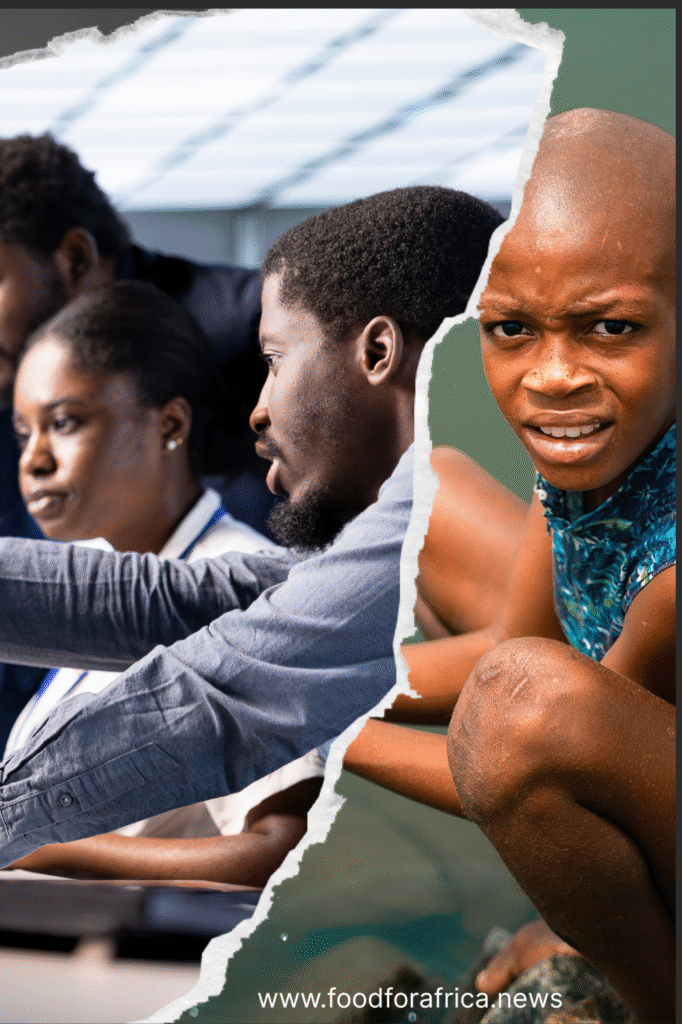
Food for Africa News reports on these issues directly. We cover hunger because it affects households now. We cover development because it is occurring and shaping daily life. We recognize that progress does not happen everywhere at the same pace or in the same form. In some regions change is visible, in others it is gradual, and in some it is interrupted by conflict or climate. The purpose is to understand how change moves, who it reaches, and who is still waiting.
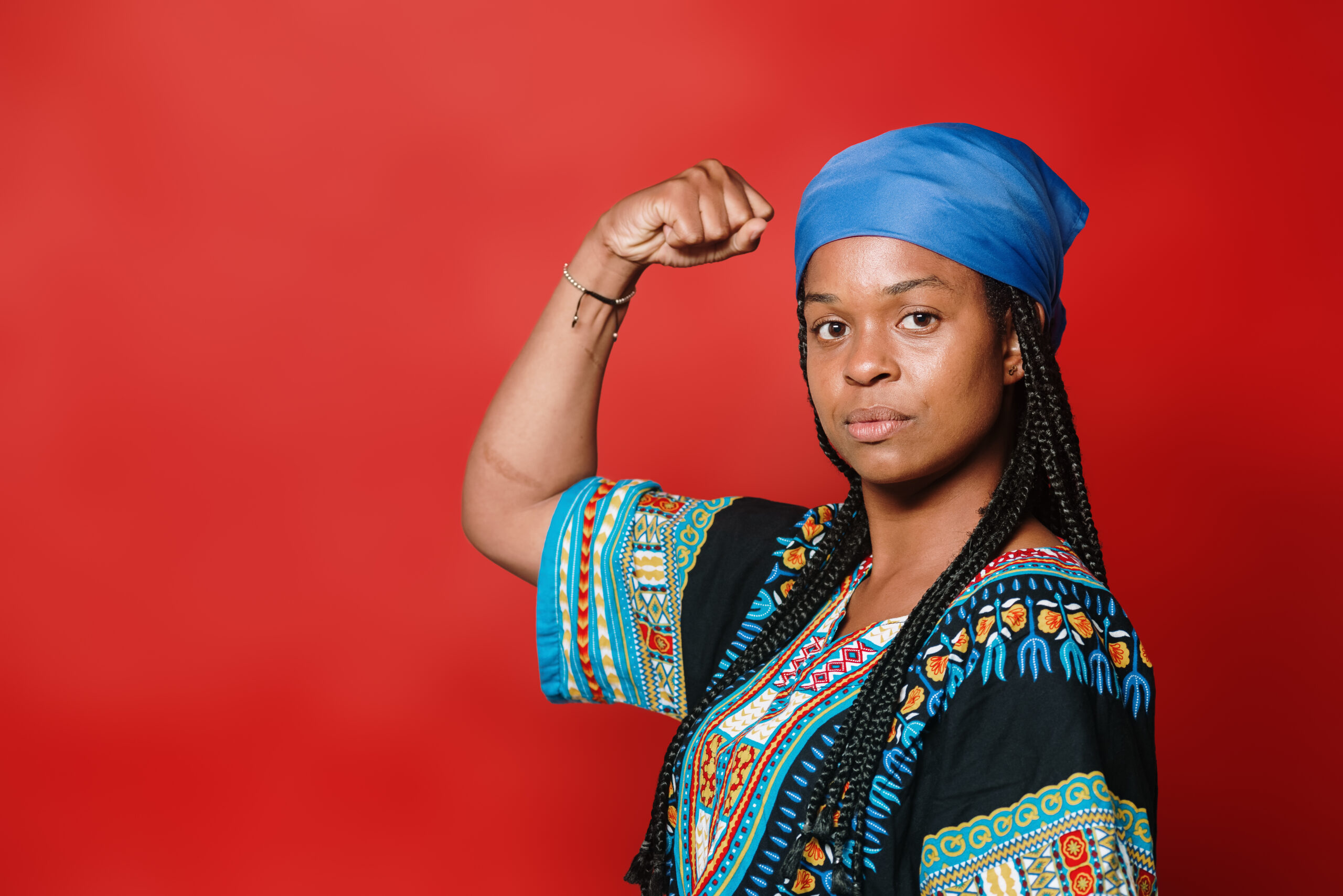
Africa is moving ahead on its own terms. The world is adjusting to that fact.

Sources:
- United Nations World Population Prospects 2022: https://population.un.org/wpp/
- GSMA Mobile Economy Sub-Saharan Africa Report: https://www.gsma.com/mobileeconomy/sub-saharan-africa/
- World Bank Global Findex Database: https://globalfindex.worldbank.org/
- Central Bank of Kenya Mobile Payments: https://www.centralbank.go.ke/national-payment-system/mobile-payments/
- IRENA Africa Renewable Energy Data: https://www.irena.org/Statistics/View-Data-by-Topic/Africa
- Moroccan Agency for Sustainable Energy Noor Solar Complex: https://masen.ma/en/projects/noor-ouarzazate
- Kenya Energy and Petroleum Regulatory Authority Statistics: https://epra.go.ke/statistics/
- UN-Habitat World Cities Report: https://unhabitat.org/world-cities-report
- FAOSTAT Land Use Database: https://www.fao.org/faostat/en/#data/RL
- FAO/WFP Hunger Hotspots Report: https://www.fao.org/documents/card/en/c/cc7906en
- UNICEF Madagascar Nutrition Crisis: https://www.unicef.org/appeals/madagascar
- Partech Africa Venture Capital Report: https://partechpartners.com/news/annual-partech-africa-report/