





By the time the sun came up, the line was already there.
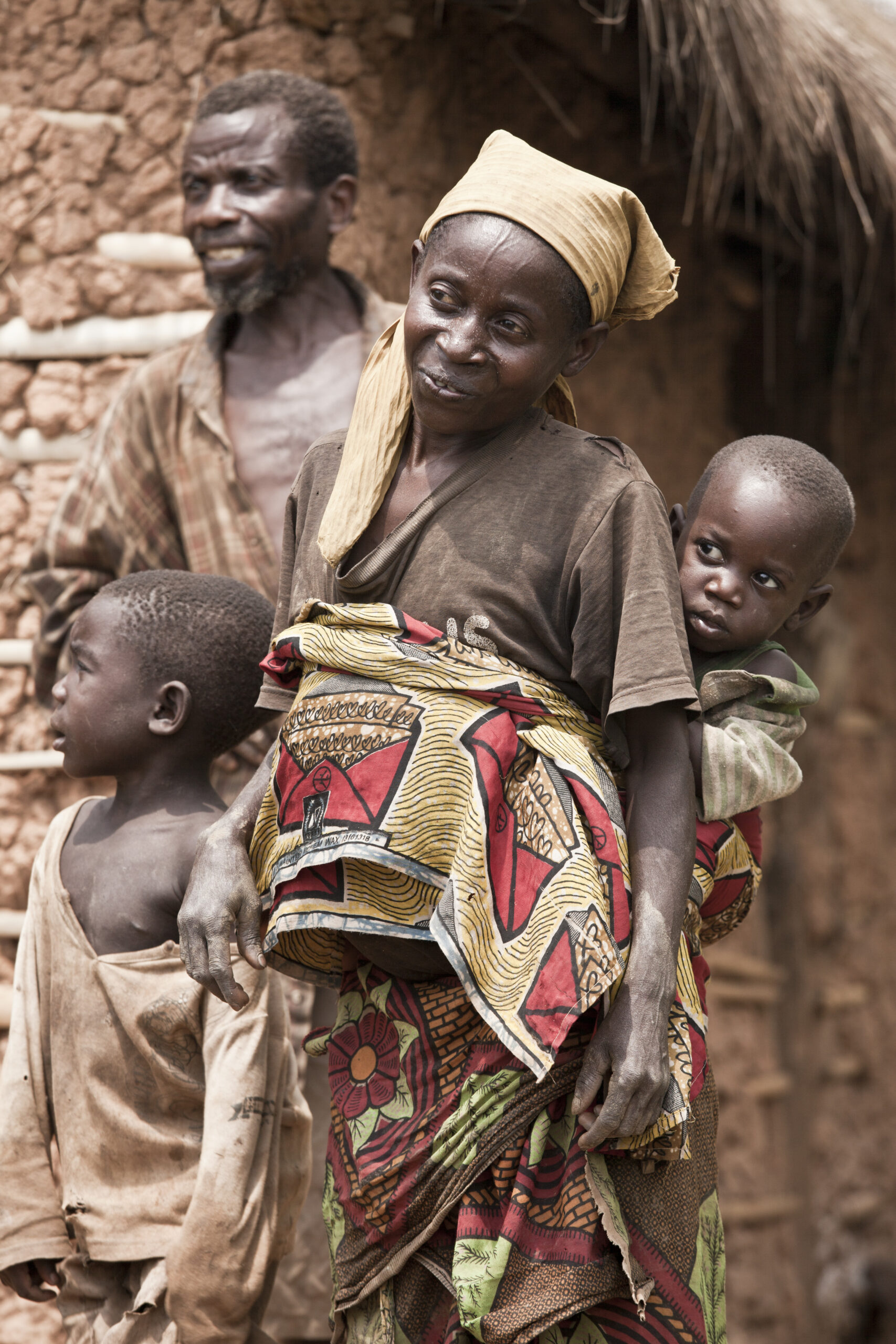
Men leaning on bicycles. Women holding plastic cans. A driver asleep behind the wheel, engine off to save what little fuel was left. Someone had a radio. The signal faded in and out, but one word kept coming through clearly: Iran.
No one in that line had seen a tunnel. But they all understood shortage.
A WAR BELOW GROUND
The conflict tied to Iran and Hamas has moved underground.
Airstrikes are no longer just hitting buildings. They are targeting tunnel networks used to move weapons, supplies, and fighters. On the surface, it looks quieter. Underneath, it is anything but.
At the same time, pressure is building around the Strait of Hormuz, where a large share of the world’s oil passes every day. Any disruption there travels fast.
THE COST TRAVELS
In Africa, the impact shows up quickly.
Fuel prices are rising. Transportation costs follow. Food prices follow transportation.
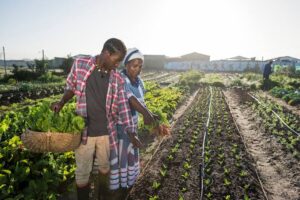
Fertilizer shipments are slowing down and getting more expensive. Farmers are already adjusting, buying less, planting less, waiting longer.
At ports, delays are growing. Shipping routes are shifting. What used to arrive in weeks now takes longer, and costs more when it does.
A FAMILIAR PATTERN
Older traders in the market compare it to another time. The oil shocks decades ago. The slow tightening. The quiet concern that spreads before the real damage shows.
Economies here feel these changes fast. A rise in fuel is not just a number. It moves through everything.
FAR AWAY, CLOSE TO HOME
There are no sirens in Kisumu. No visible signs of war.
But the line at the gas station keeps getting longer.
By mid-morning, the station runs dry. A man at the front of the line shakes his head, looks down at his empty container, and starts the walk home.