

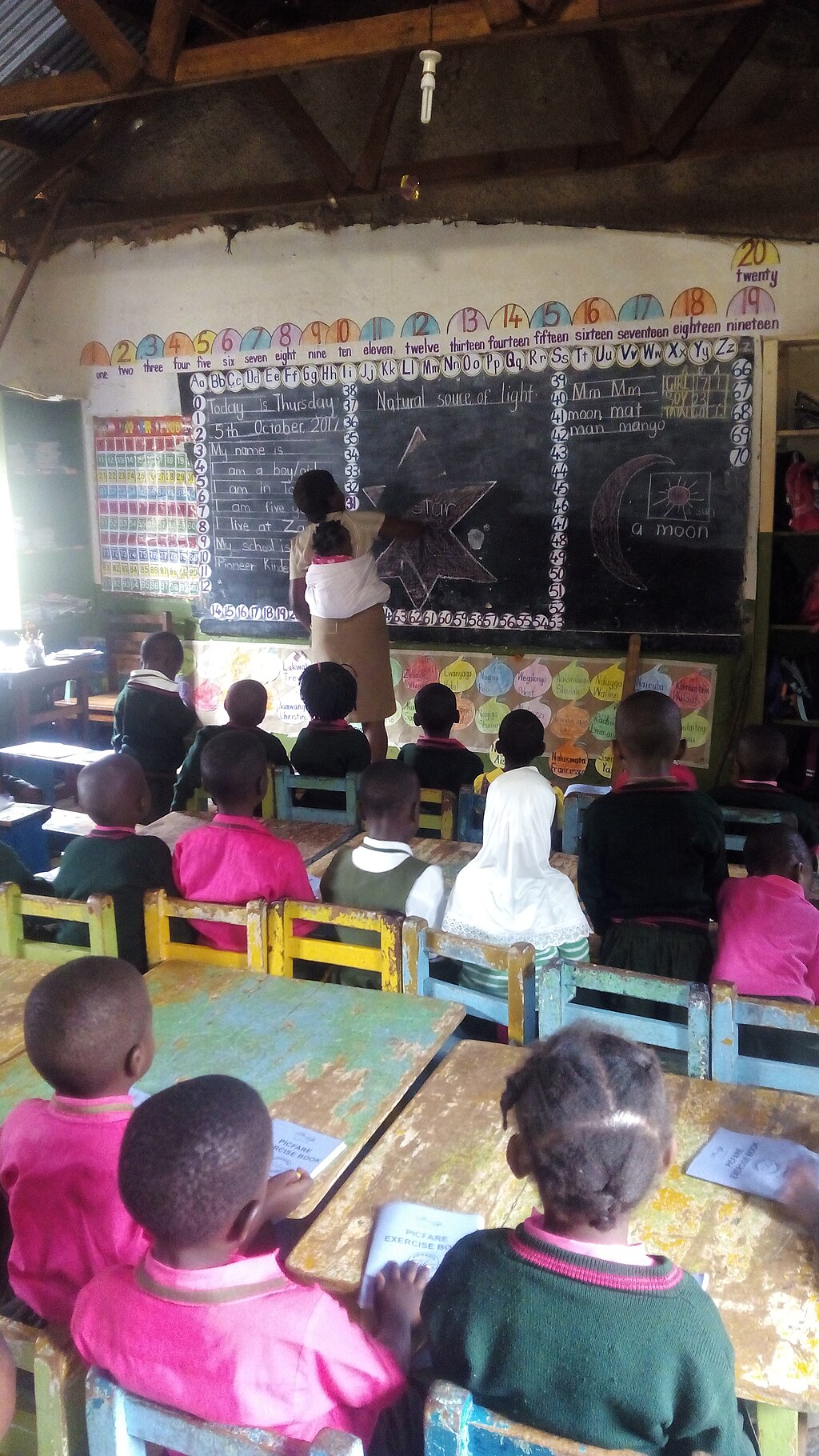
When Ghana announced the abolition of school fees for primary education under its Universal Primary Education (UPE) program in 1997, people celebrated this as a landmark step toward educational equity and access for all children. The policy expanded later to include Universal Secondary Education (USE) in 2007 which aimed at removing tuition barriers at lower and upper levels of basic schooling.
But now, nearly three decades later, families across the country are still struggling with the real costs of education. Unfortunately for many of the poorest, even “free” school remains out of reach.
Hidden Costs That Trap the Ultra Poor
Uganda’s free education policy covers tuition only. This. means that families are still required to pay for:
• School uniforms
• Shoes and physical education gear
• Books, pens, pencils and other learning materials
• Lunch / midday meals at public schools
• Parent-Teacher Association (PTA) dues and other charges which are disguised as development or “school dues”
Despite government directives prohibiting tuition fees in UPE and USE schools, many institutions still levy extra charges or demand materials that amount to thousands of shillings per term: enough to push already struggling households deeper into poverty. Uniforms alone can cost more than many families earn in a week’s wages.
These expenses are not optional for most parents. If a child lacks a uniform or required materials, they can be sent home or barred from sitting exams, effectively excluding them from the classroom despite the stated “free” policy.
No Government-Funded Kindergarten
Education costs start before primary school. Uganda currently does not provide government-funded pre-primary or kindergarten education (often referred to locally as nursery school) meaning families must pay full fees for early childhood learning. Research shows that fewer than one in ten children ages 3–5 attend formal pre-primary school, and over half have no access to early education at all because of these costs. Without this foundation, many children struggle to keep up once they enter primary school at age six.
Human Rights Watch says lack of free pre-primary education worsens inequality, with children from the poorest families far less likely to be prepared for school and more likely to repeat grades or drop out.
Orphans and Vulnerable Children Left Behind
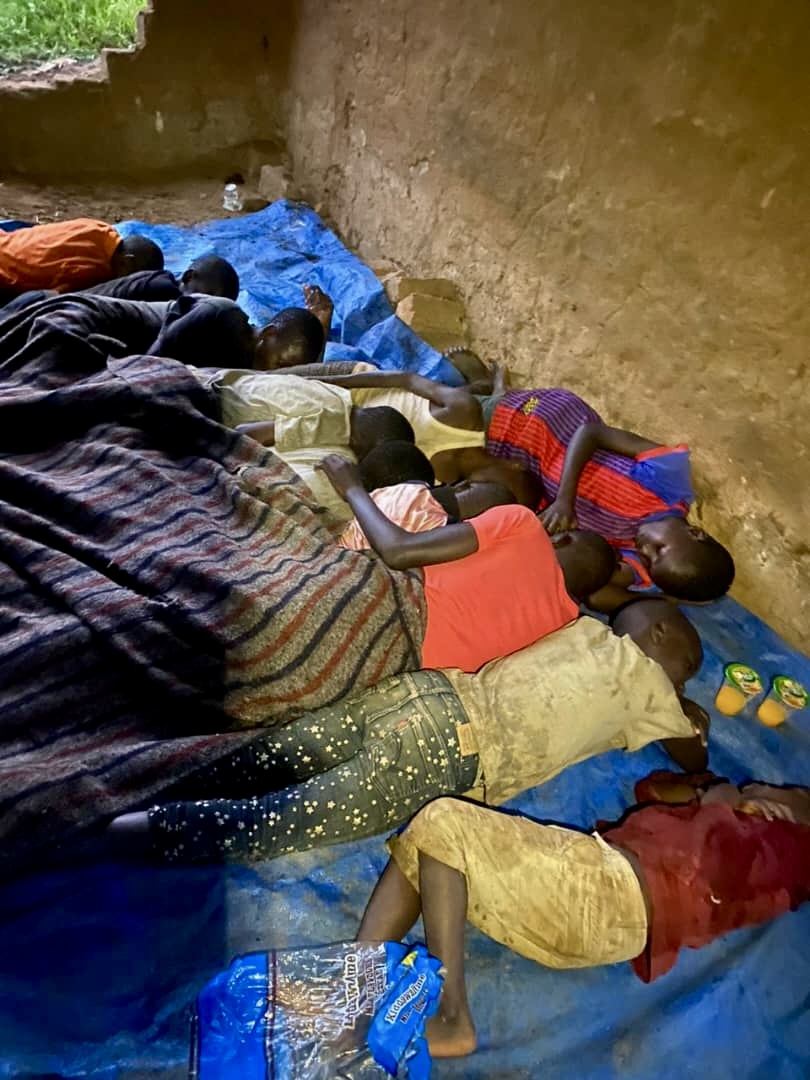
For orphans and children from the ultra poor, the barriers are stark. Many do not have caregivers who can absorb the cost of uniforms, shoes or scholastic materials. Some orphanages and community groups struggle to pay term fees and supplies, forcing children to miss school or drop out entirely. Reports from community support networks in places like Rakai and other rural districts describe children needing sponsors or donors simply to buy basic learning materials.
Many children who should be in school are instead left at home, caring for siblings, working to support their families, or lingering on the edge of poverty with no clear path forward. The cycle of exclusion bites hardest at those with the least resources.
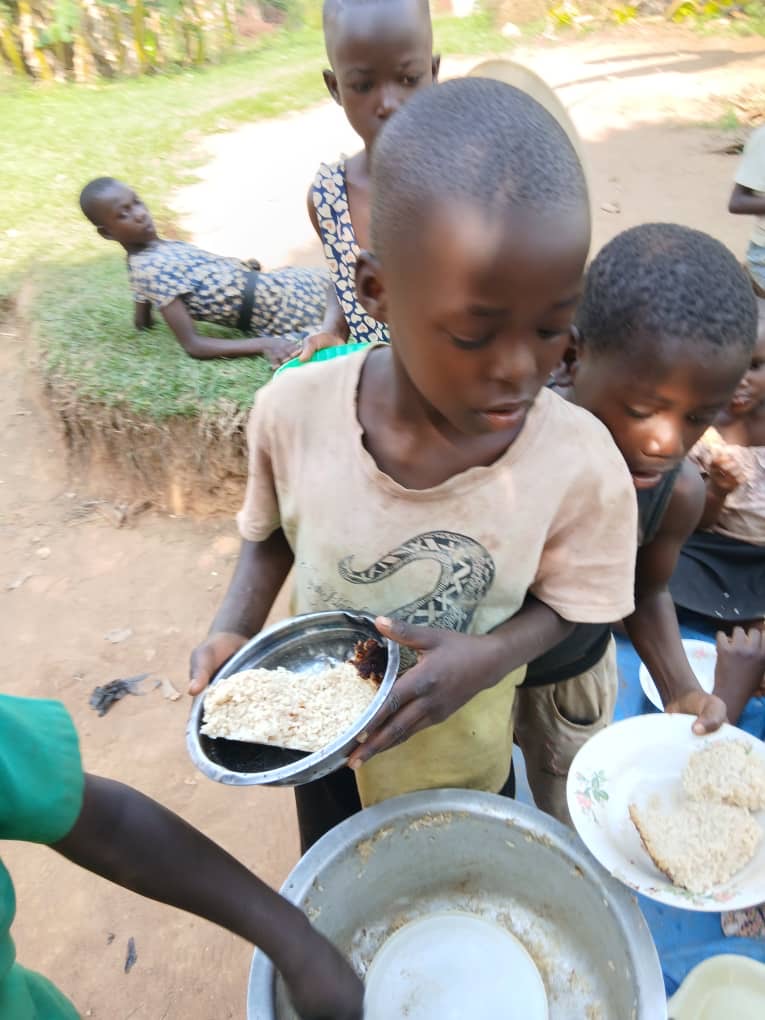
Photo: Luxita for Life Foundation, Uganda
The Limits of Free Education
Officials and education advocates acknowledge that UPE and USE have expanded enrollment and opened doors for millions of children, but the realities of underfunding and hidden costs continue to undermine the promise of truly free education. Schools often claim to follow the government policy yet require supplies or contributions that strain family budgets.
President Yoweri Museveni has reiterated the government’s commitment to free education and called for improved implementation, but critics say more must be done to enforce policies and alleviate the financial barriers that persist.
What’s Next?
Education experts and rights groups are urging the government to expand free education to include at least one year of government-funded pre-primary schooling and to fully eliminate hidden costs that continue to burden parents and guardians. They argue that without these steps, Uganda will continue to fall short of its own goals for equitable education and the broader Sustainable Development Goal of quality education for all.
For families on the brink, “free” remains a word, not a reality — and for many children, the classroom remains a distant dream.
Sources
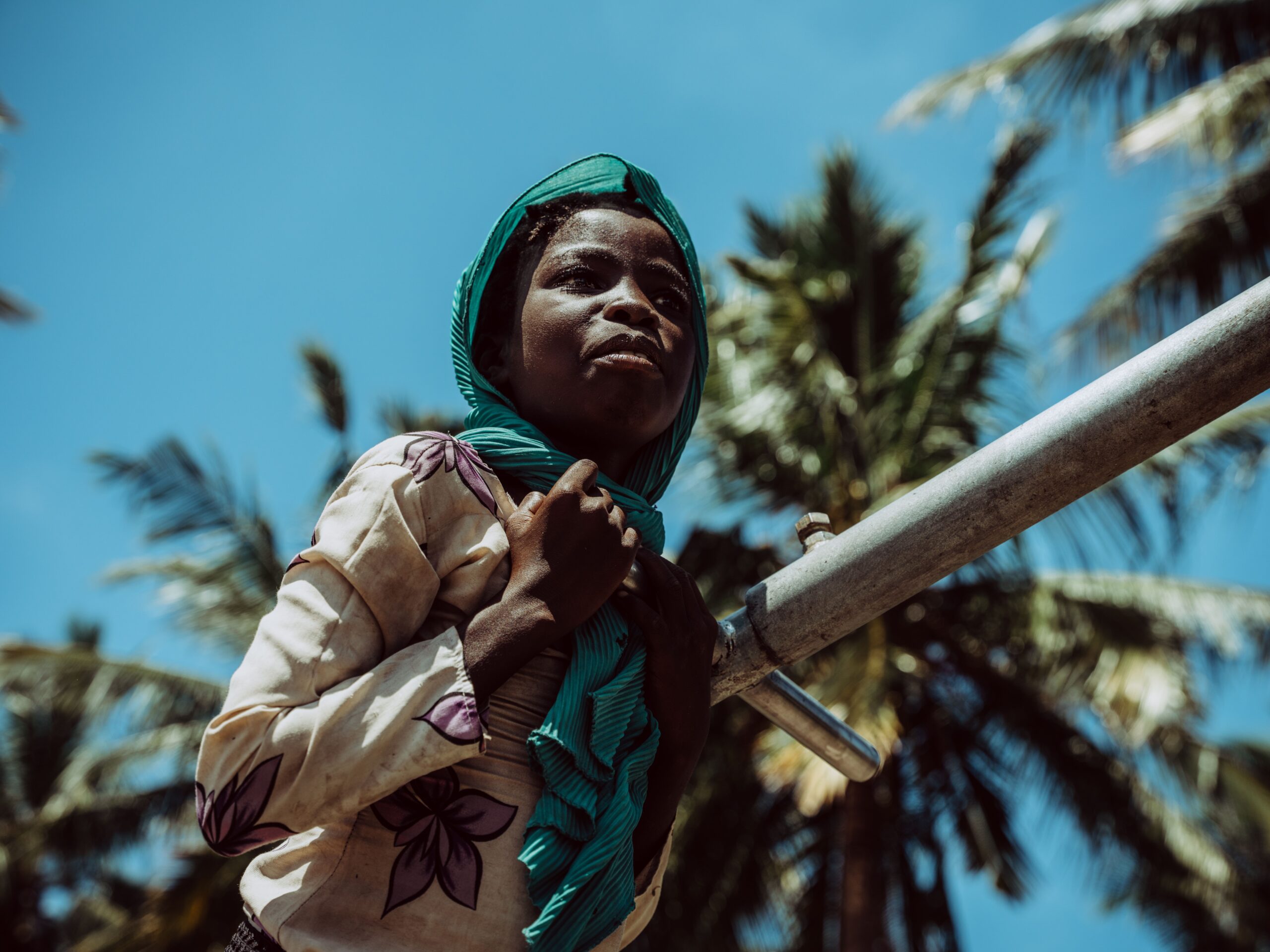
Featured photograph: Benaldinhomasaba, CC BY-SA 4.0 https://creativecommons.org/licenses/by-sa/4.0, via Wikimedia Commons
Human Rights Watch. (2024, June 12). “Lay a strong foundation for all children”: Fees as a discriminatory barrier to pre-primary education in Uganda [Report]. Human Rights Watch. https://www.hrw.org/report/2024/06/12/lay-strong-foundation-all-children/fees-discriminatory-barrier-pre-primary
Human Rights Watch. (2024, June 12). Uganda: Lack of free pre-primary education creates lifelong harm [News release]. Human Rights Watch. https://www.hrw.org/news/2024/06/12/uganda-lack-free-pre-primary-education-creates-lifelong-harm
Human Rights Watch & Initiative for Social and Economic Rights. (2024). Submission to the UN Committee on the Rights of the Child: Education and pre-primary access in Uganda. Human Rights Watch. https://www.hrw.org/news/2024/11/18/uganda-submission-un-committee-rights-child
Monitor. (2024, June 12). New report tags poor performance on paid kindergarten education [News article]. Daily Monitor. https://www.monitor.co.ug/uganda/news/national/new-report-tags-poor-performance-on-paid-kindergarten-education-4655744
Pulse Uganda. (2024, July 31). Government-funded schools to accept new “No Fees Policy” or lose funding [Online news]. Pulse Uganda. https://www.pulse.ug/articles/business/domestic/government-funded-schools-to-accept-new-no-fees-policy-or-lose-funding-2024073108493185386
Monitor. (2024, September 19). List: Illegal fees in govt schools widening education inequality [News article]. Daily Monitor. https://www.monitor.co.ug/uganda/news/national/list-illegal-fees-in-govt-schools-widening-education-inequality–4767520