





The recent “Noah’s Ark” controversy in Ghana did not spread because people were foolish. It spread because people were hungry.
Not only hungry for food, but hungry for certainty, safety, and meaning in a country where food prices have climbed, rainfall has become less predictable, and daily life already feels fragile for many households. When stability is missing, people search for answers wherever they appear.
In late December, videos circulated of people traveling across regions, some arriving with bags, plastic containers, and personal belongings. Others waited for days, praying near unfinished wooden structures said to be “arks.” People took time off for work, some quit jobs and families became divided between believers and non-believers.
This is how hunger for truth behaves when real systems feel unreliable.
Hunger and belief move together
Food insecurity rarely exists alone. It often travels alongside anxiety, uncertainty, and loss of control. When the future feels unstable, messages that promise divine certainty or insider knowledge can feel grounding, even when they contradict logic or scripture.
In Ghana’s case, the prophecy offered something powerful: a clear explanation for fear and a clear path to safety. Believe, prepare, and you will be spared. Doubt, and you risk everything.
This is not about faith. It is about how need creates openings.
Several followers later described confusion and embarrassment after the prophecy failed. Others defended the message, explaining that God had “changed his mind.” The explanation mattered less than the pattern. Once belief becomes identity, retreat becomes emotionally costly.
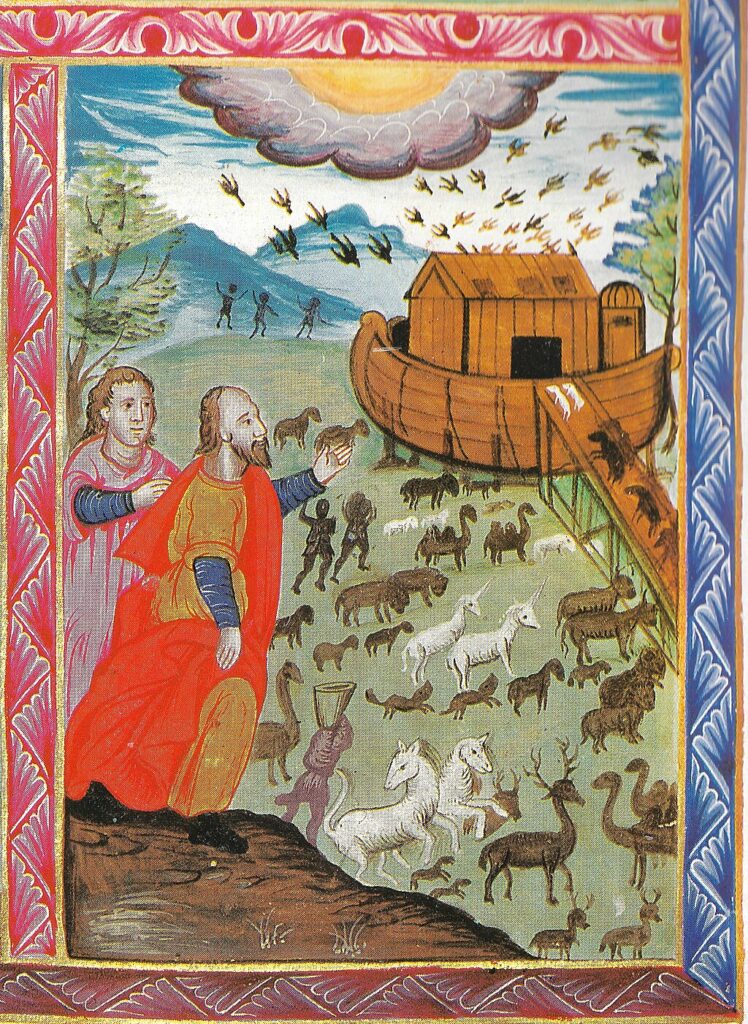
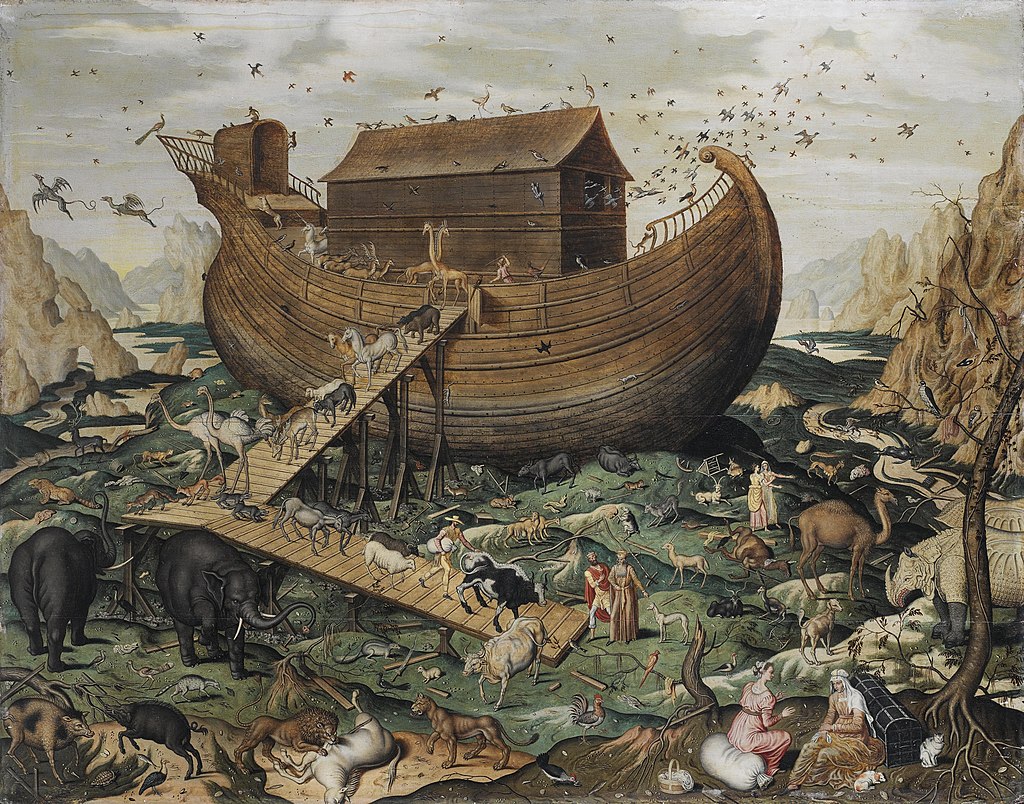
Photo: Armenian Patriarchate of Jerusalem, Public domain, via Wikimedia Commons
This has happened before
More than two decades ago in Uganda, followers of a religious movement were told the world would end on a specific date. They sold possessions, cut off relatives who questioned the message, and gathered to wait for salvation. When the prophecy failed, leaders revised timelines and tightened control.
What followed was one of the deadliest cases of religious manipulation in modern African history. Investigators later uncovered mass graves and evidence that many followers had been murdered after being financially and emotionally depleted.
The Ghana situation is not the same in outcome. But the structure is disturbingly familiar.
In both cases:
• A single figure claimed exclusive divine revelation
• Catastrophe was tied to a specific date
• Followers were urged to suspend normal life decisions
• Explanations shifted after predictions failed
• Doubt was reframed as spiritual weakness
History shows that when these dynamics go unchallenged, harm escalates.
When belief becomes leverage
The most dangerous aspect of such movements is not belief itself, but power imbalance. When one individual positions themselves as the sole interpreter of truth, vulnerability becomes currency.
People facing hunger, unemployment, illness, or displacement are especially at risk. They are not looking for entertainment. They are looking for stability. When someone promises protection without accountability, that promise can override reason.
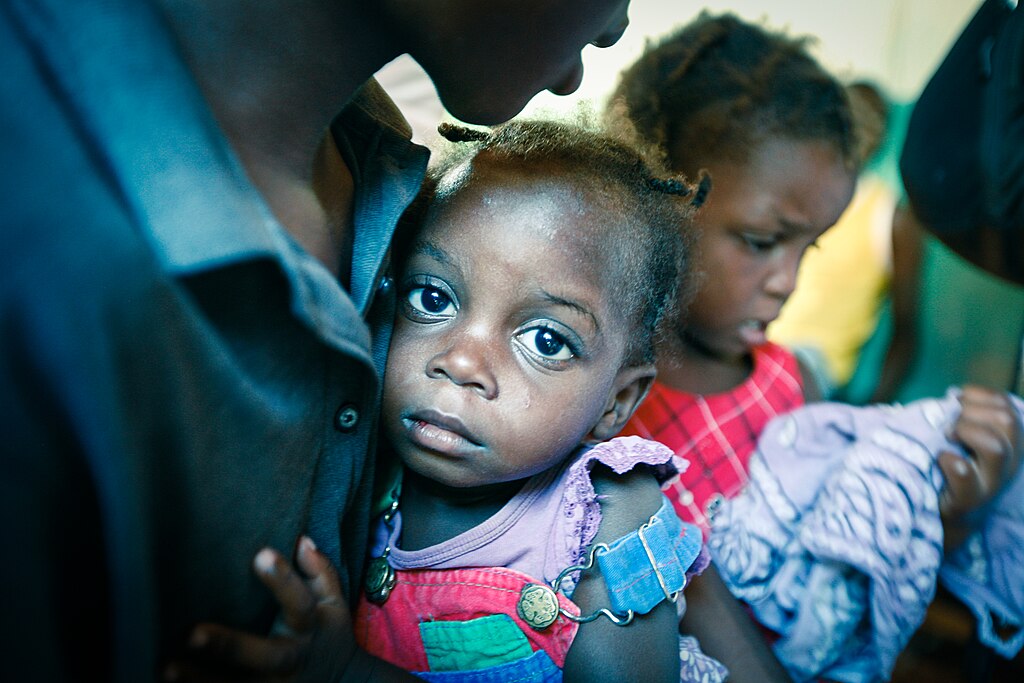
Photo: Alex Proimos from Sydney, Australia, CC BY 2.0 https://creativecommons.org/licenses/by/2.0, via Wikimedia Commons
Digital platforms accelerate this process. Messages that once spread by word of mouth now reach hundreds of thousands overnight. Fear moves faster than verification. Hope moves faster than aid.
Warning signs communities should not ignore
Across cases in Africa, Europe, and the Americas, the warning signs repeat:
• Prophecies tied to exact dates
• Claims of exclusive access to divine knowledge
• Pressure to abandon work, property, or family ties
• Revision of explanations when predictions fail
• Framing critics as enemies of faith
• Urgency driven by fear rather than compassion
• Lack of transparency or accountability
When these appear together, the issue is no longer spiritual. It is social.
When systems fail, people turn to false hopes
Hunger weakens more than bodies. It weakens judgment, trust, and resilience. That is why food security reporting must also examine truth hunger and hope scarcity.
When people are fed, informed, and supported, false prophets lose influence. When systems fail, they flourish.
The Ghana ark episode should not be dismissed as absurd. It should be read as a warning about what happens when desperation meets certainty.
Food security is not just about calories. It is about stability. And stability is what keeps people from boarding imaginary arks while real solutions go unfunded.
Sources
Featured image: Simon de Myle, Public domain, via Wikimedia Commons
Premium Times. “Ghanaian ‘Noah’ Builds Ark, Says World Will End with Three-Year Rain Starting December.” Premium Times Nigeria, August 27, 2025.
https://www.premiumtimesng.com/entertainment/naija-fashion/816959-ghanaian-noah-builds-ark-says-world-will-end-with-three-year-rain-starting-december.html
Premium Times. “God Changed His Mind, Ghanaian ‘Noah’ Says After Flopped Flood Prophecy.” Premium Times Nigeria, December 26, 2025.
https://www.premiumtimesng.com/entertainment/naija-fashion/845717-god-changed-his-mind-ghanaian-noah-says-after-flopped-flood-prophecy.html
Borzello, Anna. “Mass Graves Found in Sect House.” The Guardian, March 25, 2000.
https://www.theguardian.com/world/2000/mar/25/1
Wasswa, Henry. “Ugandan Probers Find Mass Graves; Police Investigating Cult Church Fire Discover 153 Hacked, Strangled Corpses.” The Washington Post, March 24, 2000.
https://www.washingtonpost.com/archive/politics/2000/03/25/ugandan-probers-find-mass-graves/1b461127-1546-4403-9df8-68de348bb630/
Borzello, Anna. “Uganda Inquiry into Cult Deaths.” The Guardian, March 24, 2000.
https://www.theguardian.com/world/2000/mar/24/1