








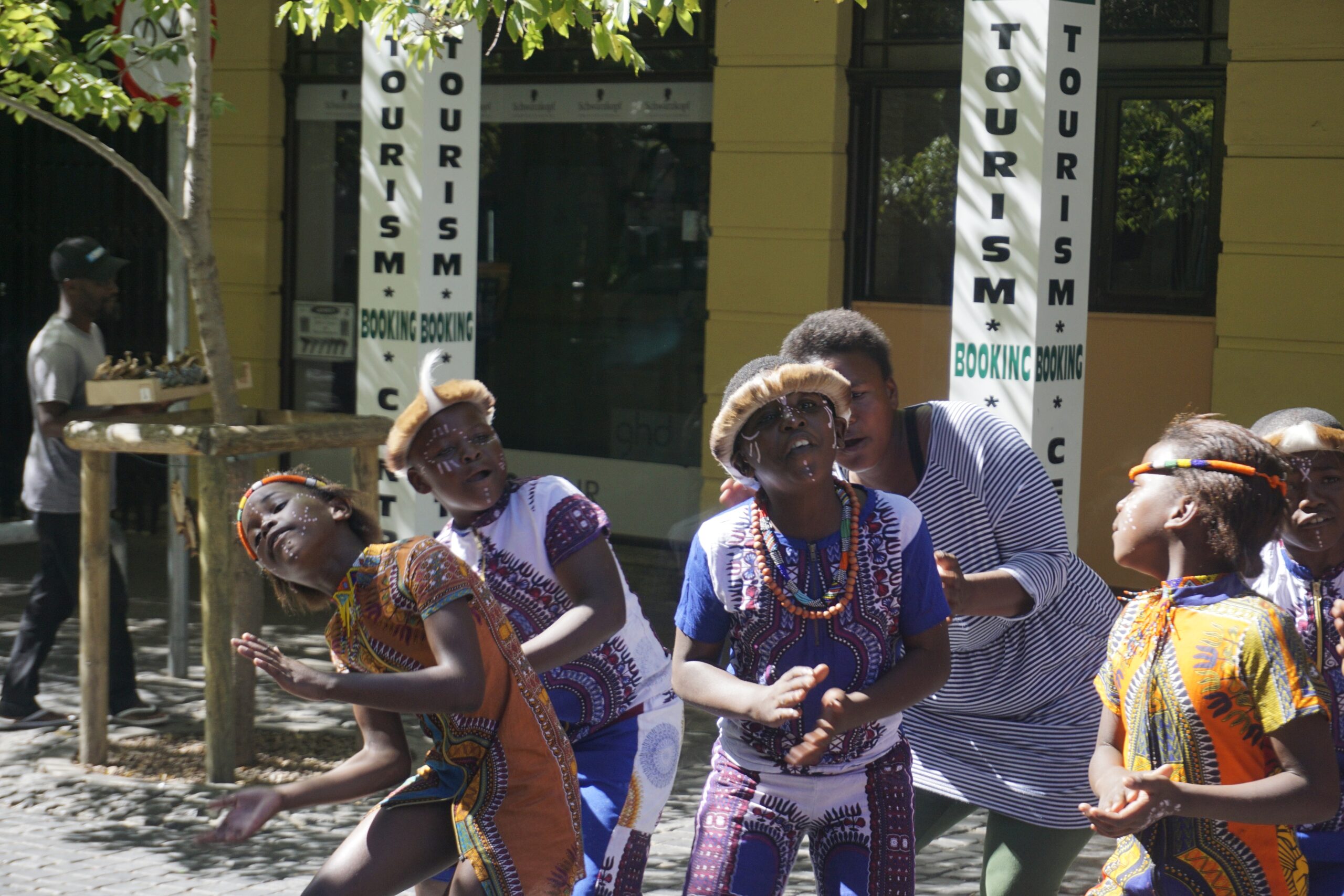
As the sky darkens, dust lifts into the air. Barefoot feet strike the ground in rhythm, sending dry dirt upward with each step. Some of the children did not eat dinner today. The drumming keeps them moving. For a moment, their bodies focus on something other than hunger.
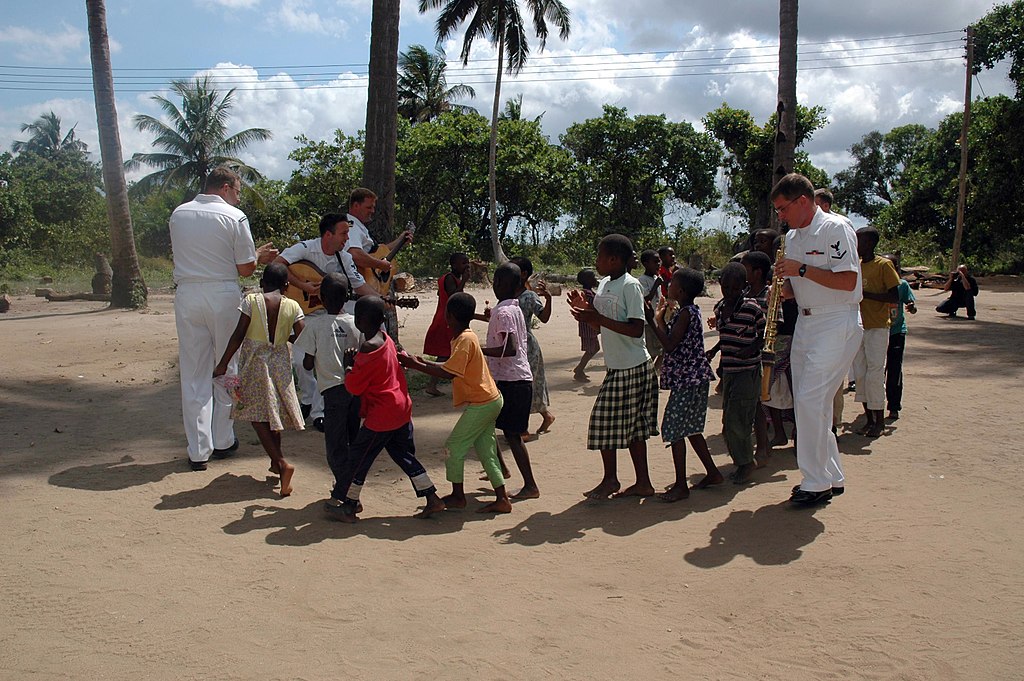
Scenes like this are ordinary across Africa. In Ghana. In Nigeria. In Sierra Leone. In Liberia. In Tanzania. In Senegal. In The Gambia. In Mali. In Burkina Faso. In Côte d’Ivoire.
This is not a scheduled performance. No one calls it therapy. It can be culture. But sometimes, it is simply what happens when emotion has nowhere else to go.
Movement does not wait for relief
In many Western countries, stress is something to address later. After work. After the appointment. Often alone. Sometimes with medication. Movement is planned. Exercise is structured. Dance is something you sign up for.
Across much of West Africa, movement happens in real time.
When money disappears and food runs short.
When the day has been long and worry creeps into the body.
People do not wait for life to improve before they move.
Hunger lives in the body before it shows on the body
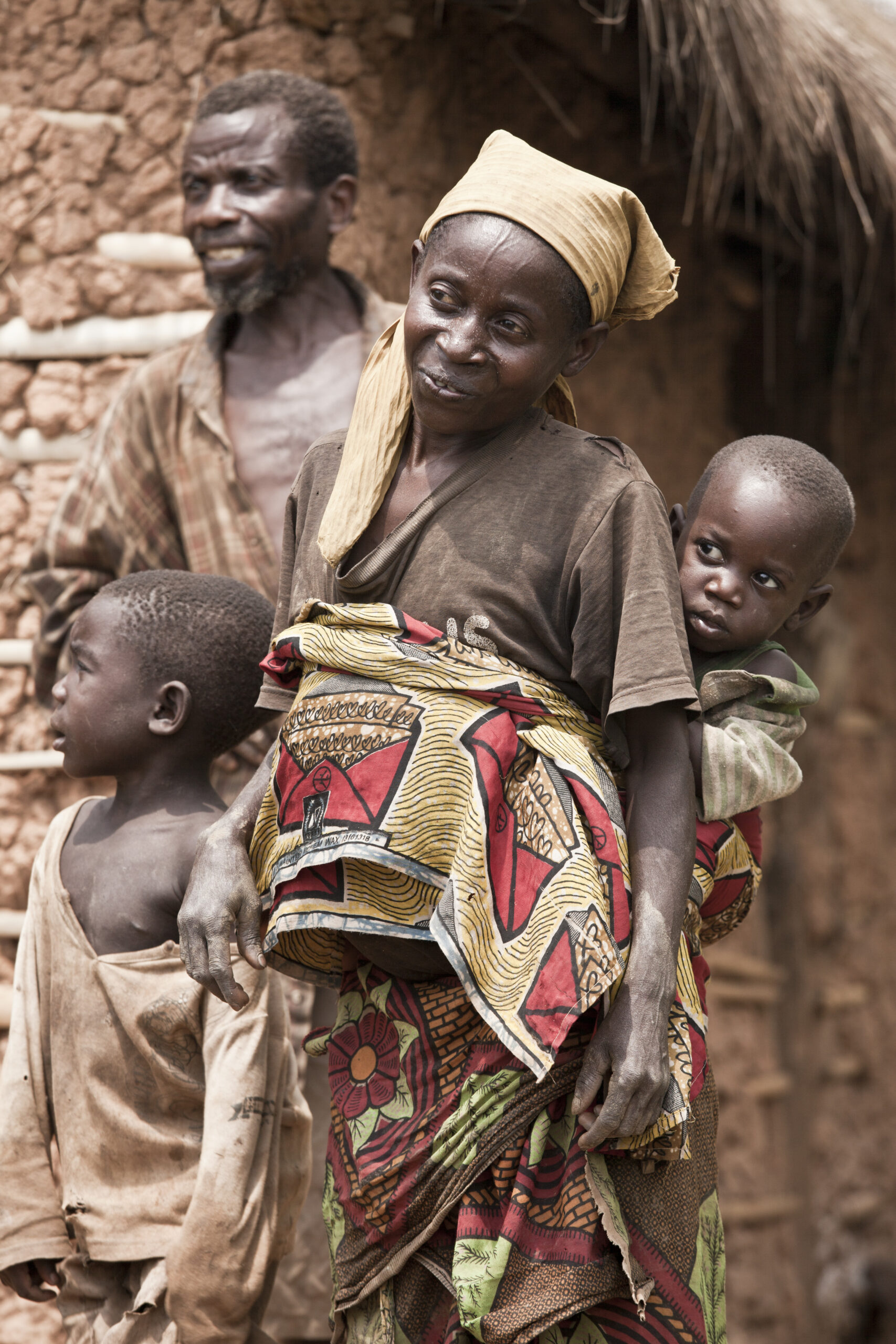
Food insecurity is often discussed as a lack of calories. On the ground, it shows up first as tension, irritability, fatigue and withdrawal.
Hunger changes how people carry themselves. It shortens patience, making everything heavier.
In communities where food insecurity is common, emotional stress has little privacy. Homes are crowded. Streets are shared. Silence is rare.
So stress moves outward.
Music plays in the evening. Someone starts clapping. Someone responds. Bodies join before words do.
This does not solve hunger.
It helps makes the feeling hunger survivable for a moment.
What movement does without explanation
No one here talks about nervous systems or stress hormones. They talk about feeling lighter. Feeling calmer. Feeling less alone.
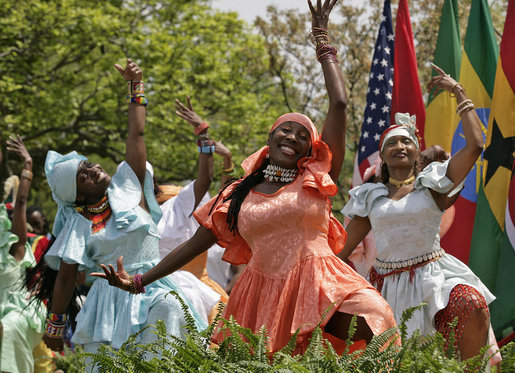
Researchers would say rhythm helps regulate the body. Group movement lowers stress. Shared motion strengthens social bonds.
People living it just say it helps them get through the day.
The Western answer is often medical
In the West, emotional distress is frequently treated first through medication. Anxiety. Depression. Trauma.
This approach has saved lives. But criticism has grown. Some argue that medication has become the default response even when isolation, disconnection, and stillness are part of the problem. Therapists recommend walking and going to the gym but dancing is rarely discussed. People cave inward when movement outward may be a natural prescription.
Instead, the body sits still while the mind struggles.
Africa is not immune, and tradition is not enough
None of this means Africa is protected from mental health crisis.
Mental health remains under studied across much of the continent. Access to care is limited. Stigma is strong. Conversations are often avoided.
Advocates warn that emotional distress is rising. Suicide rates in parts of Africa are increasing, even as public discussion remains rare.
Dance does not replace mental health care.
Movement does not cure despair.
What it does is delay collapse. It helps people cope long enough to keep going when other supports are missing.
Less silence, not fewer tools
Two debates are happening at the same time.
In the West, people question whether medication should always come first.
In Africa, people question whether silence around mental health is costing lives. The answer is not one or the other. Africa does not need less tradition.
It needs more mental health research, more access, and less stigma. The West does not need fewer doctors.
It may need more movement and less isolation.
What remains when systems fail
Across West Africa, people move not because life is easy, but because it is heavy. When words are expensive, the body speaks. When care is scarce, rhythm remains.Dance is not a solution to hunger.
It is one of the ways people survive it.