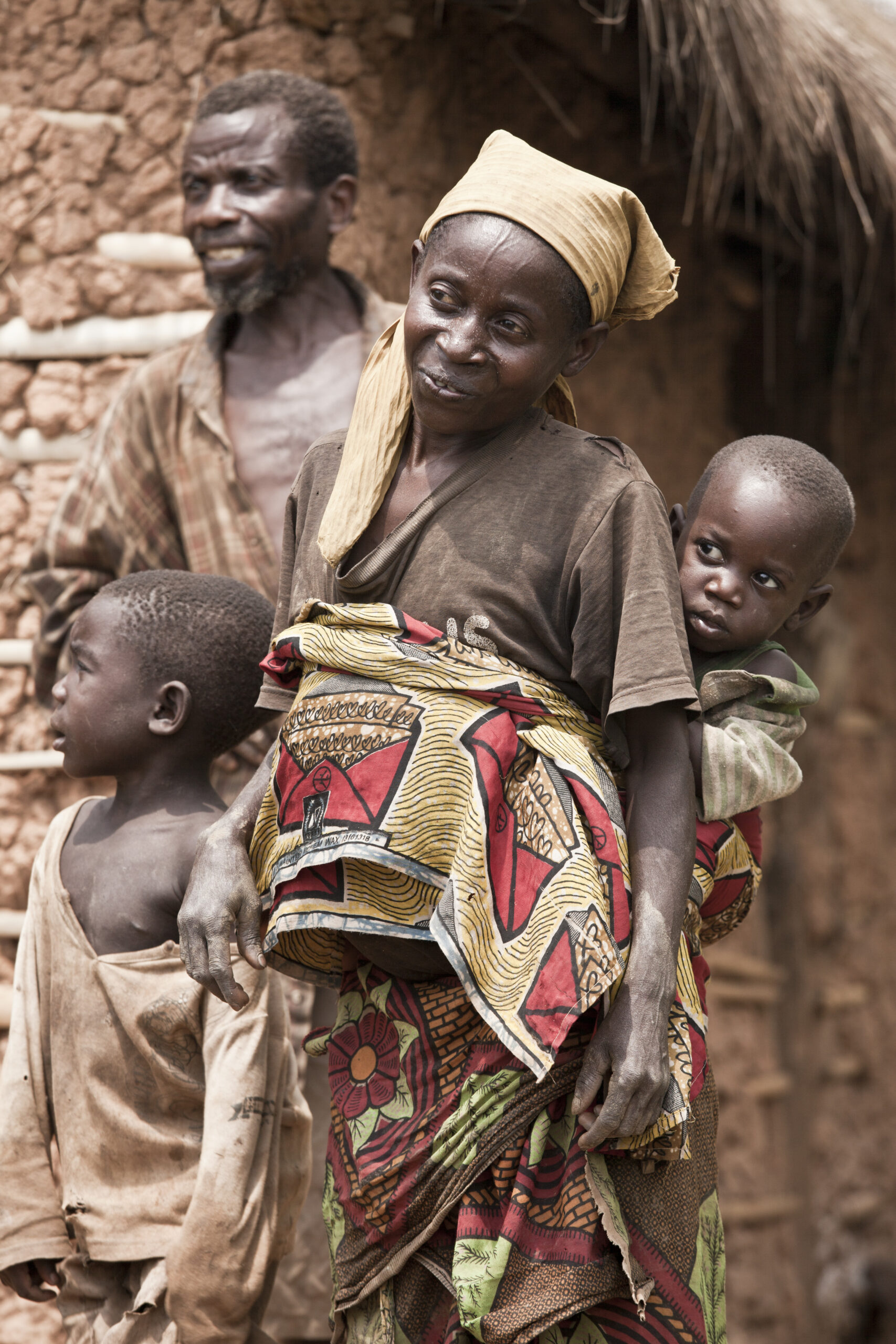










Is love a luxury in a hungry home? Or a necessity needing protection?
A relationship is often tested by betrayal, distance, or trust. But for millions of couples across Africa, the greatest strain enters quietly through the kitchen. An empty pot. Unpaid school fees. Medicine that cannot be bought. Rent due tomorrow. The argument is not about love. It is about survival.
Can you be hungry and still prioritize a relationship? And when poverty takes hold, is the collapse of families a private failure — or a public policy problem?

Divorce, separation, and the quiet breakups that statistics don’t count
Across much of Africa, formal divorce statistics tell only part of the story. While official divorce rates in many African countries remain lower than in many Western nations, informal separation is rising — especially in urban centers where living costs outpace wages. Many couples separate without legal filings because court fees are unaffordable, stigma remains high, or there is nothing left to divide.
For example, a recent report from one sub-Saharan country estimated that up to one-third of ever-married women have experienced divorce at some point in their lives. Meanwhile, in a more legally codified context such as South Africa, 2023 saw 22,230 finalized divorces — a 10.1% increase over the previous year.

Yet globally, many countries have higher official divorce rates. According to worldwide divorce data, some nations report crude divorce rates of 3 to 5 divorces per 1,000 people per year. These disparities reflect not only economic differences, but also cultural norms, legal access, and data-collection methods.
The gap between African data and global averages often reflects underreporting, social and legal barriers, and the prevalence of informal unions or separations that never enter official records.
Why financial becomes the most common breaking point, everywhere
Financial strain sits at the center of most relationship breakdowns, even when it shows up under different names. Unemployment, underemployment, food insecurity, overcrowded housing, debt pressures, and migration for work all funnel back to the same pressure point. Money reshapes power inside the home. When income disappears, authority shifts, resentment grows, and blame multiplies.
For many men, economic collapse becomes an identity crisis. For many women, economic dependence becomes a survival risk. When school fees go unpaid or food runs out, love alone cannot fill the gap.
Poverty does not only shrink wallets. It amplifies vulnerability. Everywhere — from rural Africa to industrialized cities abroad — financial desperation can strain relationships beyond repair.
When staying together under poverty can be healthy
For some couples, economic hardship strengthens cooperation rather than conflict. Staying together can be healthy when both partners communicate openly about finances, when neither partner uses money as a weapon, and when planning is shared instead of dominated by blame.
It is healthy when dignity is preserved, even when income is low. When violence, coercion, and humiliation are absent. When extended family, community, and faith structures provide reinforcement rather than judgment. In these situations, poverty becomes a shared battle rather than a personal accusation.
These resilient households challenge the narrative that financial hardship inevitably destroys love. Their unity emerges not from comfort, but from hardship — turning survival into shared loyalty.
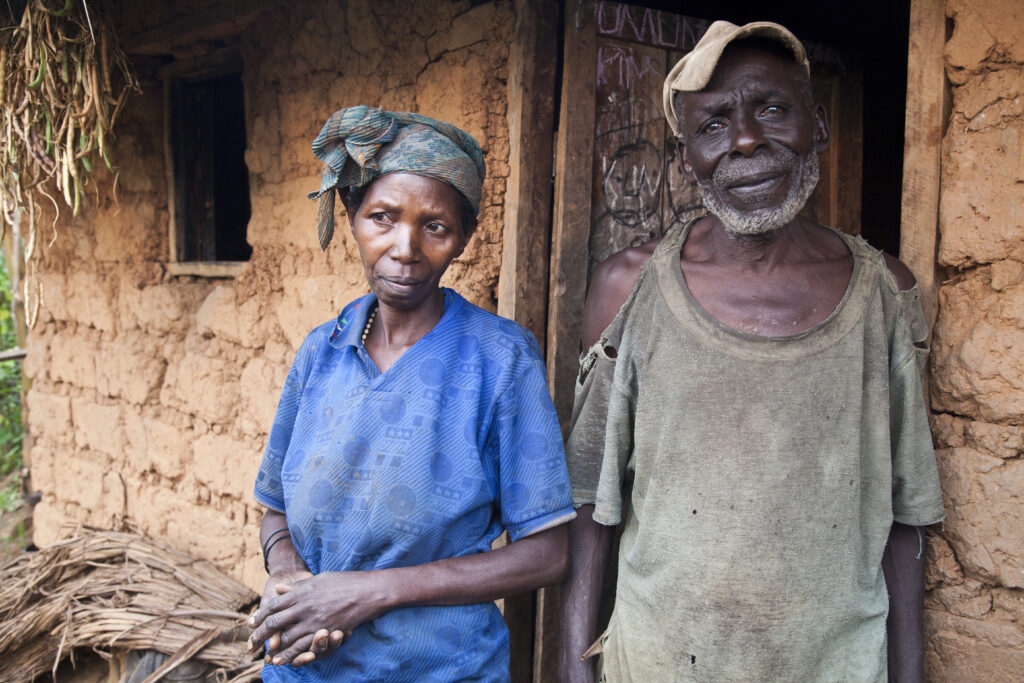
When poverty turns a relationship unsafe
Still, there are clear moments when staying becomes dangerous. Leaving may be the safer and healthier option when financial stress turns into routine verbal abuse, economic dependence becomes a tool of control, domestic violence escalates under fear, or when children become direct targets of neglect or coercion.
Poverty does not directly cause abuse. But it often magnifies preexisting vulnerabilities. When scarcity meets inequality and power imbalance, love is insufficient protection.

The hidden cost of staying too long… and leaving too soon
Staying inside destructive poverty-driven relationships often produces long-term damage that lasts far beyond the economic crisis. Chronic stress leads to physical illness, mental health degradation, and generational trauma. Children may normalize instability as standard relationships. Educational disruption becomes common. Intergenerational poverty deepens through emotional and financial scars.
Yet leaving also carries heavy costs — immediate plunge into deeper poverty for the lower-earning partner, legal invisibility for informal separations, failure of child-support systems in informal economies, social stigma, and increased vulnerability to exploitation. For many people, leaving is not a clean escape. It is often a shift from shared hardship into isolated hardship with fewer safeguards.
Those difficult trade-offs remind us that there is no universal answer. Staying or leaving must be decided safely, mindfully, and under conditions of respect, security, and support.
Why some couples survive while others do not
Poverty does not destroy every relationship. Some couples grow tighter under pressure. The difference often lies in structure rather than income. Survivors rely on transparent communication, extended family networks, joint income activities such as farming or trading, community accountability, and shared faith traditions. They lower consumption expectations together rather than measuring themselves against outside standards.
Poverty isolates couples who internalize shame. It bonds couples who externalize the problem and fight it together.
These dynamics occur globally. When hardship is addressed as a shared fight rather than a personal failure — relationships stand a chance.
When relationship breakdown becomes a public issue
When families fracture, the impact quickly spills into public systems. Single-parent households face higher poverty risks. School dropout rates climb and child-support enforcement collapses where economies are informal. Street-connected youth numbers increase, mental-health crises deepen, and emergency shelters fill. Public hospitals and social services absorb the physical and psychological outcomes of instability.
In regions with weak social safety nets, mass family breakdown becomes a public expense. Divorce and separation are too often treated as purely personal matters. But their consequences ripple outward, affecting children, communities, and national development.

Poverty, gender, and the blame economy
Poverty reshapes not only household income but also gender conflict. Men are blamed for failing as providers; women are blamed for leaving when survival collapses. Economic abuse becomes indistinguishable from economic exhaustion. Financial dependence becomes a tool of control rather than cooperation. Neither partner caused the poverty crisis. Both become targets inside it.
Why family stability should be viewed as economic policy EVERYWHERE
Governments often speak about growth in GDP and national welfare, but ignore household survival economics. Employment policy is family policy. Food and fuel price stability are domestic peace policy. Affordable housing is marriage policy. Reliable public transport and childcare access shape relationship stress. These social safety nets determine whether crisis becomes tragedy or survival.
When wages do not match cost of living, marriage becomes a high-risk institution supported by emotional labor instead of economic security.
Children caught in the middle
Children experience economic separation long before legal separation. They absorb food shortages, school disruption, emotional withdrawal, and loyalty conflicts between parents. Hunger reshapes childhood before adulthood ever begins.
The belief that children simply adapt to economic breakdown ignores the lifelong psychological, educational, and social scars left behind. This is not just a problem for poor households in Africa. It is a global issue when poverty and inequality exist anywhere.
Is love a luxury in a hungry home? Or a necessity needing protection?
Romance does not always disappear under poverty. It becomes more fragile, more conditional, more rationed. Affection competes with anxiety. Intimacy competes with exhaustion. Decision-making becomes transactional not because partners stop caring, but because survival demands it.
Poverty does not erase love. It changes its language. And love alone is rarely enough — when food, safety, and dignity are at stake.
Poverty does not just empty plates. It empties homes. It fractures trust. It reshapes power. It moves the burden of survival into the most intimate spaces of society. Relationship failure under poverty is rarely a failure of character. It is often a failure of systems.
Until governments treat economic stability as family stability, love will remain one of the quietest casualties of hunger and inequality.

Divorce statistics
Formal divorce statistics provide only one window into relationship breakdown. In Africa especially, many separations happen informally or outside legal systems. Social stigma, cultural norms, and prohibitive legal costs mean many couples never file — but the separation is real.
Global statistics show divorce rates of 2 to 5 per 1,000 people per year in many countries. Some African countries report much lower official rates — but researchers warn these numbers likely understate true family instability and do not count informal separation.
Therefore, while statistics help orient the discussion, the real picture is more complex — and far more human.
SOURCES
Statistics South Africa.
Marriages and Divorces, 2023.
https://www.statssa.gov.za/?p=18313
Business Insider Africa.
African Countries With the Highest Divorce Rates.
https://africa.businessinsider.com/local/lifestyle/african-countries-with-the-highest-divorce-rate/1kkjfbc
United Nations, Department of Economic and Social Affairs.
Demographic Yearbook – Marriage and Divorce Statistics.
https://unstats.un.org/unsd/demographic-social/products/dyb/
World Bank.
Poverty and Social Protection Overview.
https://www.worldbank.org/en/topic/socialprotectionandjobs/overview
World Health Organization.
Global Health Estimates and Social Determinants of Health.
https://www.who.int/data/gho
National Library of Medicine (PubMed).
Economic Stress, Family Breakdown, and Mental Health.
https://pubmed.ncbi.nlm.nih.gov/
UNICEF.
Child Well-Being in Economically Stressed Households.
https://www.unicef.org/reports