



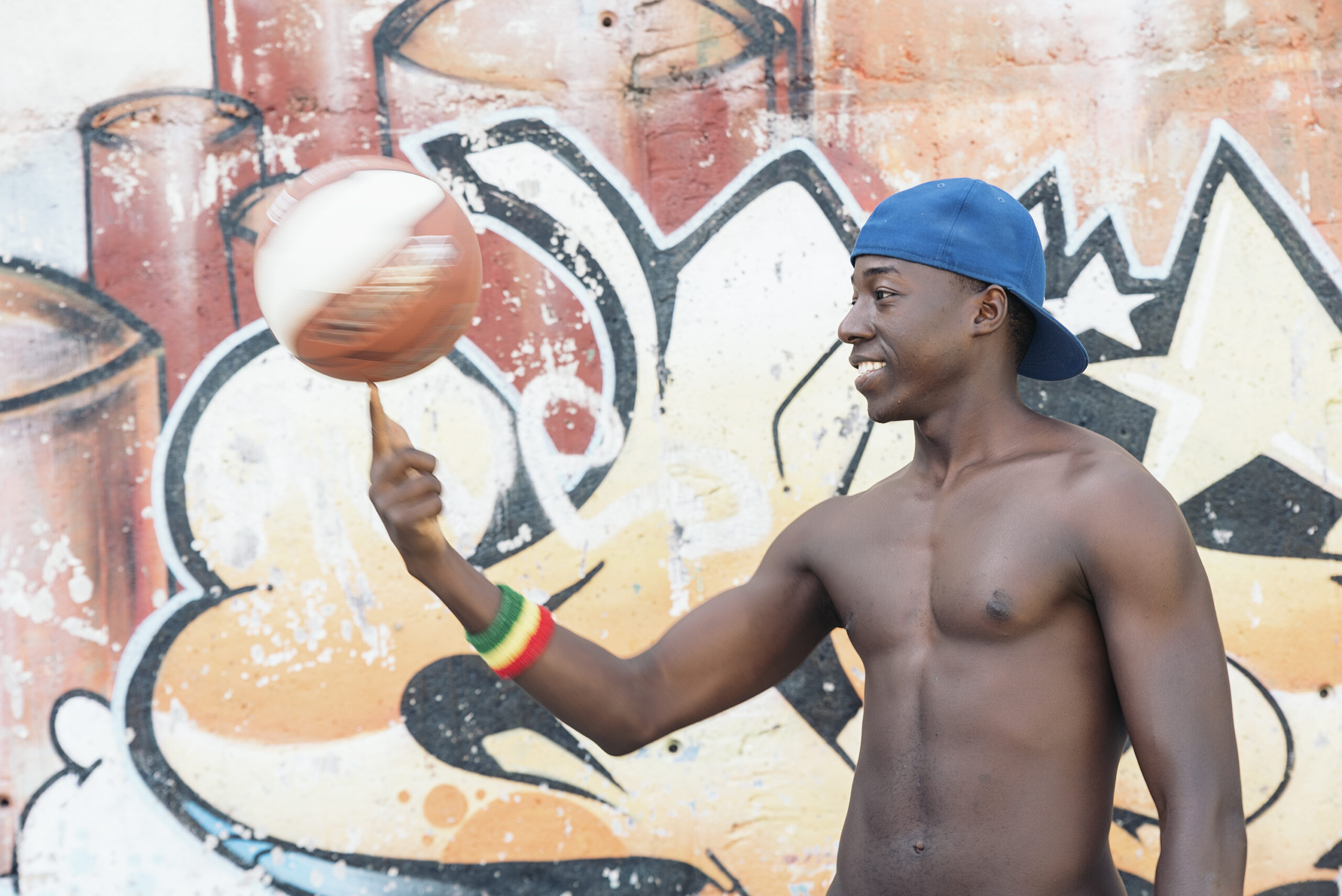
Africa’s Street Revival: How art, sound, and youth culture are rising in plain sight
“Africa is Rising.” What does this mean? It is often tied to growth in the workforce, agriculture, and technology. But there is another rise quietly reshaping cities across the continent. The growth of art, music, and youth-forward culture. Ghana is a clear example, where streets are turning into colorful canvases. This is not just fun-filled scenery. This is now a 1.5 billion dollar industry inside Africa, and people are taking it seriously.
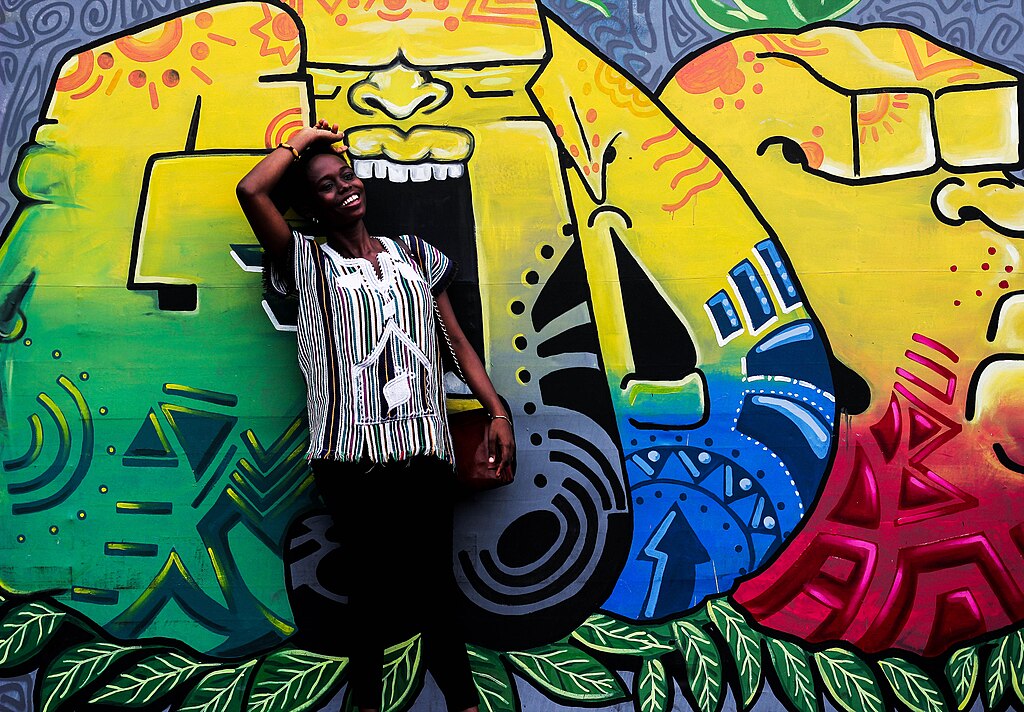
Photo: Fquasie, CC BY-SA 4.0 https://creativecommons.org/licenses/by-sa/4.0, via Wikimedia Commons
Contemporary art was once hidden in museums and galleries. Now, institutions and global collectors are pouring attention and money into African art. The art market is seen as a serious investment and cultural capital. This.Is.African.Art+2AfricaBusiness.com+2
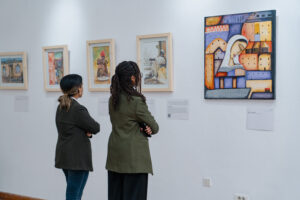
One example: Ghanaian artist Ibrahim Mahama is making headlines with his unique style of transforming recycled materials and trash into provocative large-scale installations. He recently became the first African to top the annual “Power List” of most influential contemporary art figures worldwide. The Guardian
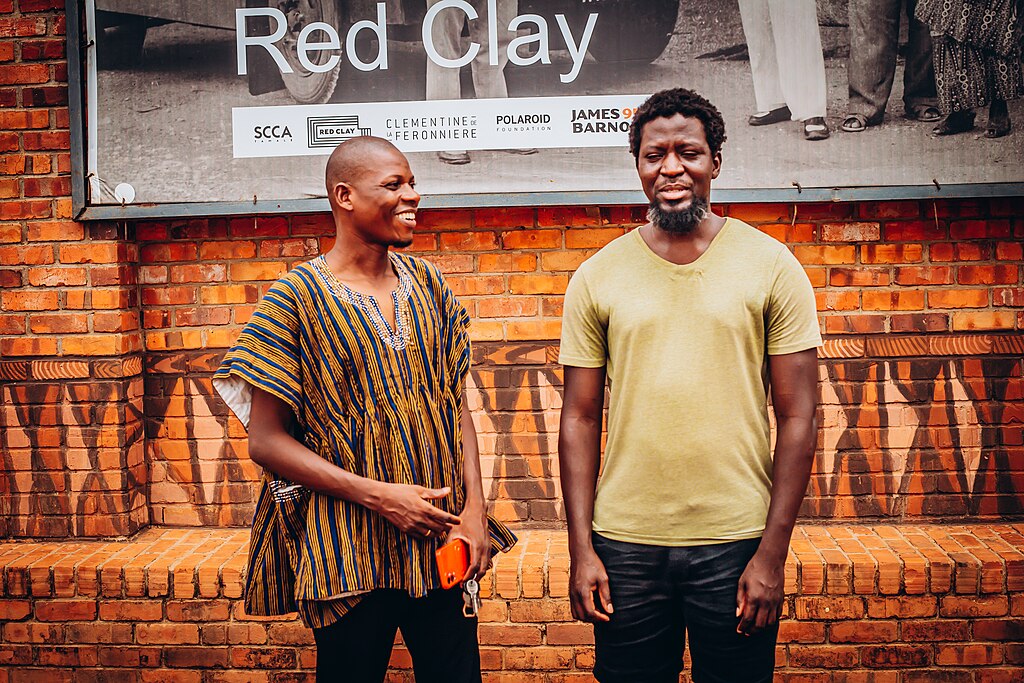
Photo: Ibrahim Mahama (right) is a Ghanaian Artist who founded the Red Clay studios in Tamale Ghana where several tangible artifacts are preserved, Alhassan Mohammed Awal, CC BY 4.0 https://creativecommons.org/licenses/by/4.0, via Wikimedia Commons
Back home, in neighborhoods like James-Town and Old Accra, art fills the air and streets. Artists paint walls overnight and old buildings are repurposed as open-air galleries. Music spills from pop-up performances. Street-art festivals like Chale Wote Street Art Festival have become the heartbeat of a growing creative economy — drawing thousands of young people, artists, designers, and musicians together to paint, dance, rap, DJ, and reclaim public space. Wikipedia+2ghanaweb.com+2
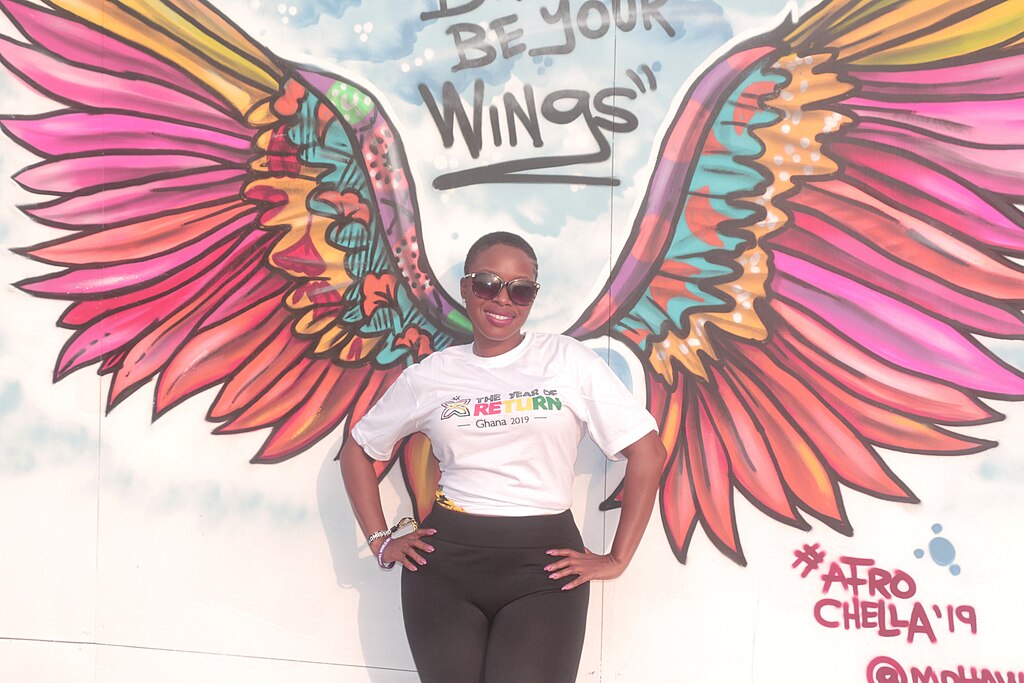
Photo: Fquasie, CC BY-SA 4.0 https://creativecommons.org/licenses/by-sa/4.0, via Wikimedia Commons
The spread of modern art is part of cultural identity, demonstrating memory, resistance and aspiration. It offers a platform for young Africans to tell their own stories. Artists can express themselves through through bold colors, soundwaves, and street-wise fashion. Not through foreign aid reports or food-security bulletins. For many, this is a form of reclaiming dignity and rewriting narratives.
But beyond identity, there is economic power too. As global demand for African contemporary art rises — from collectors, galleries, auctions, and even institutional acquisitions — creatives are finding that passion can pay. Works once derided as “urban graffiti” are now viewed as serious investments. STLPR+2AfricaBusiness.com+2 That shift opens a new path for entrepreneurship, local value-creation, and cultural export — without waiting for aid, loans, or foreign intervention.
Local festivals also drive community — and income. Chale Wote, held annually in Accra, offers open-air exhibitions, live music and dance, fashion shows, street performances, film screenings, graffiti murals, and interactive installations. Youth and artists from across Africa and beyond converge, bringing economic activity, tourism, collaboration, and a sense of shared identity. ghanaweb.com+2Gold Coast XP+2 For a generation, this has become a way to transform old colonial neighborhoods or neglected streets into vibrant, living, artistic spaces.
This kind of street-level revival also sends a signal: Africa’s future doesn’t have to be built on dependence. It can be built on creation, imagination, and youth power — across not only food systems and agriculture but also with culture.
“Africa is not just growing food right now. It is growing art, sound, color, and confidence.”
This is a movement.
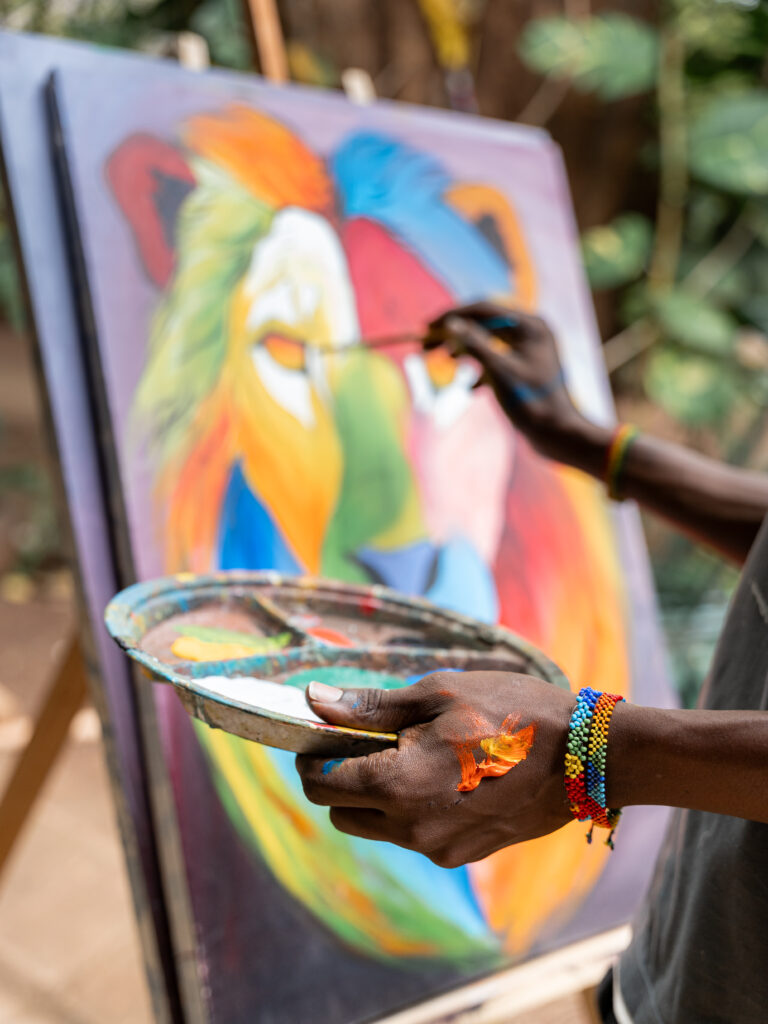
But this revival must fight for real space — physical, economic, social — to survive. As long as communities invest in creative spaces, support emerging artists, protect free expression, and nurture cultural industries, Africa’s next renaissance will rise above aid charts and food imports. Through murals, beats, and the rising swell of a creative generation, Africa now paints its own future in bright strokes.