







By FFA News Editorial Desk
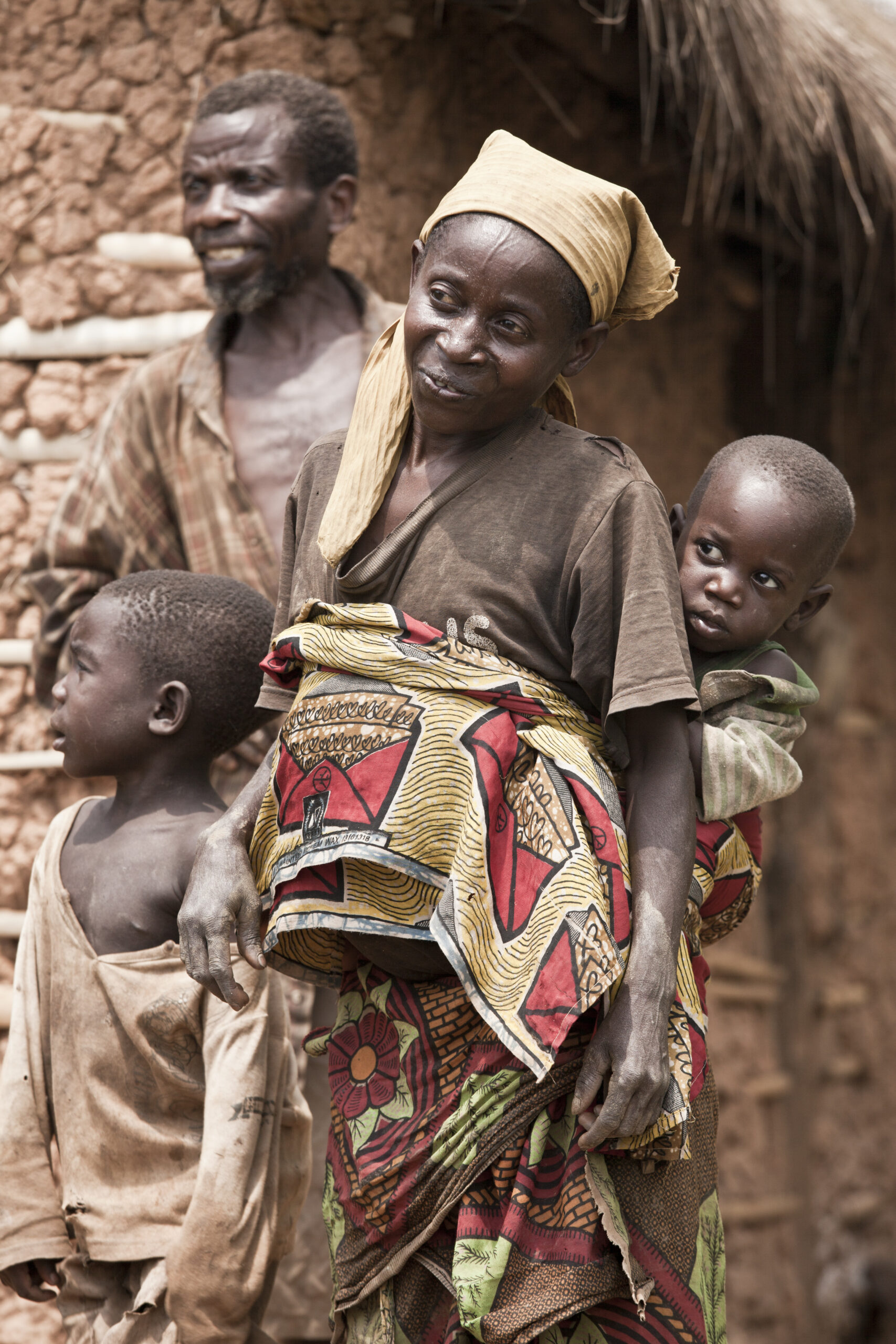
Recent cuts to foreign-aid funding — particularly the drawdown of USAID programs in 2025 — are already reshaping assistance across the African continent. According to modelling by ISS Africa, the United States supplied up to 26 % of all foreign aid to Africa. ISS Africa+1
If reductions proceed as currently planned, the report warns that as many as 5.7 million more Africans could fall below the extreme poverty threshold (US $2.15/day) within the next year — with a cumulative total of nearly 19 million additional people in extreme poverty by 2030. ISS Africa+1
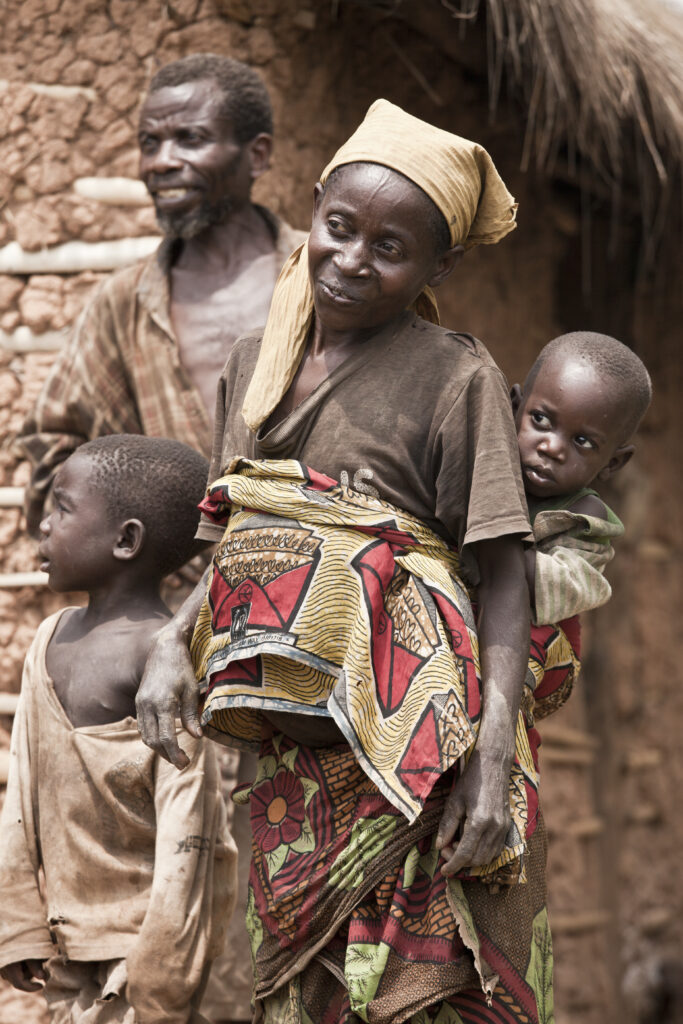
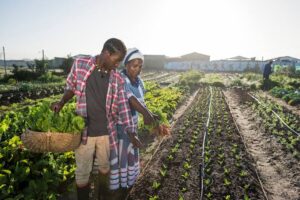
Across West, East, and Southern Africa, one trend stands out: local food production is rising even as foreign funding shrinks. Ghana, Sierra Leone, Rwanda, Tanzania, and Benin have all expanded domestic rice, cassava, and maize output over the last five years, according to the African Development Bank. Farmers’ cooperatives, small processors, and women-led trading networks are quietly carrying food systems that once depended heavily on imported support.
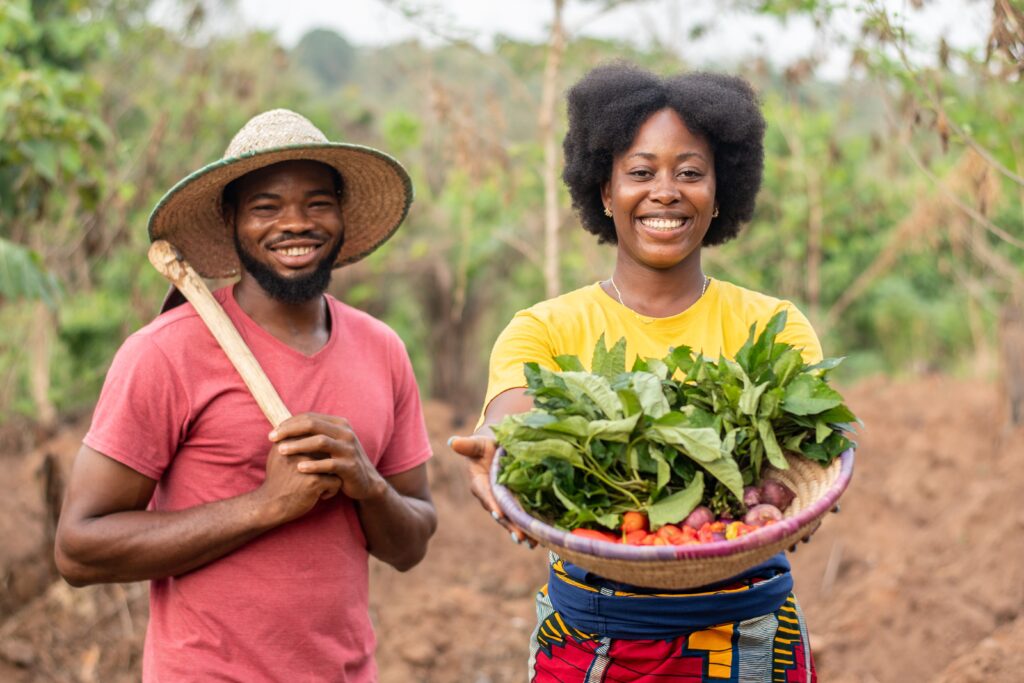
These local supply chains are not charity. They are disciplined, self-driven systems that continue to grow even when external funding falters. In many regions, the strength of local markets is doing more to stabilize communities than any aid pipeline ever did.

Throughout rural Africa, cooperatives have become the quiet stabilizers of daily life. Village savings groups, seed banks, farmer associations, and community-run water committees are filling the gaps left when outside funding drops. These locally governed structures keep food moving, maintain boreholes, and create basic financial safety nets.
This shift toward community management reflects a long-term pattern: when external systems weaken, local governance becomes stronger. Cooperatives often remain functional long after donor projects shut down, giving communities a foundation that cannot be cut by foreign budgets.
While formal aid faces cuts, cross-border trade is booming. Small traders — especially women — move food, textiles, fuel, and household goods across ECOWAS and East African corridors every day. These informal networks often move more essential goods than large donor-funded programs during periods of crisis.
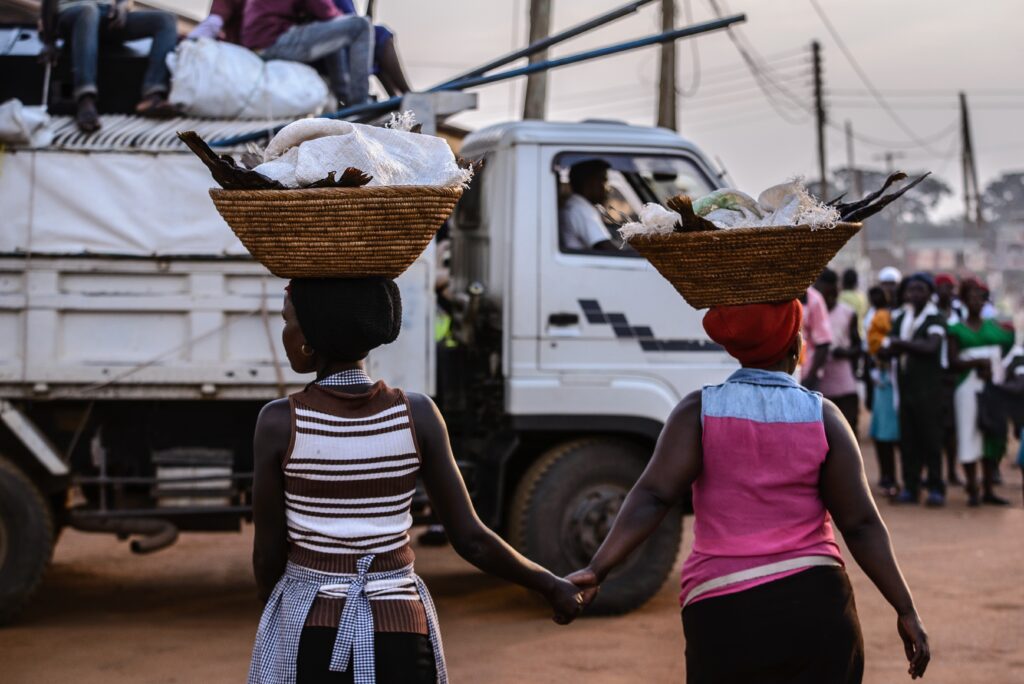
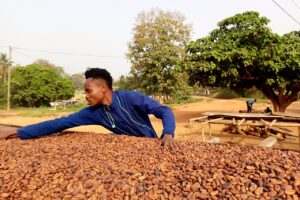
Photo: “We have no choice but to hustle” (Envato)
Their strength lies in speed and trust. When aid stalls, trade continues. Border markets in places like Kano, Tamale, Goma, and Arua keep feeding entire regions through community-level supply chains that operate with or without outside funding.
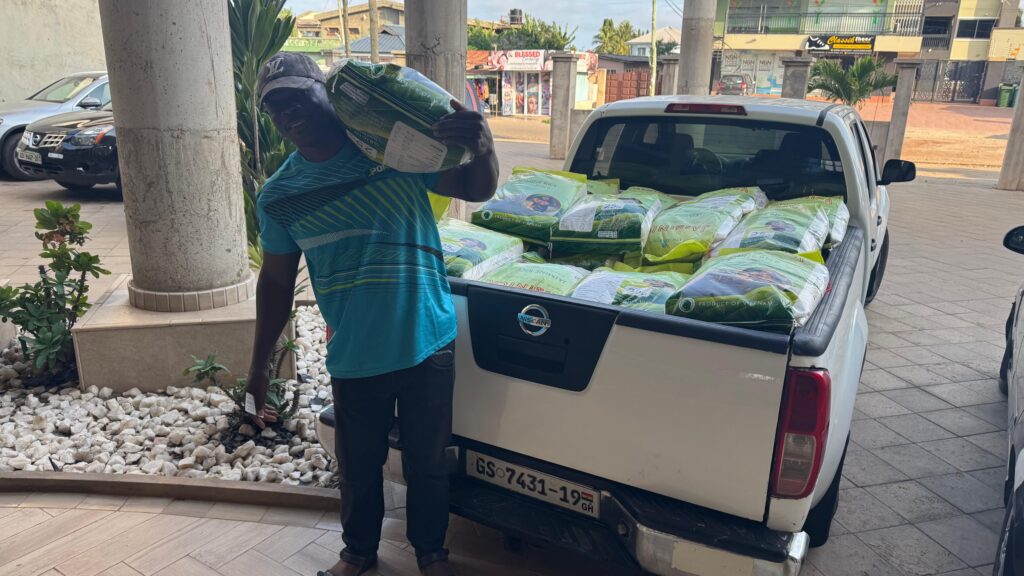
Photo: Jasminica rice delivery
Aid has helped save lives, build health clinics, and support education. But it has never been the engine of Africa’s survival. People are.
When one funding pipeline closes, others flow in: through diaspora, local entrepreneurship, informal economy, remittances, and renewed self-reliance.
The cuts are real. The pressure is real. But so is the momentum.
No rescue is coming.
So communities are building their own solutions.

Sources & Further Reading
- African Development Bank (AfDB) — “Food production” overview page, discussing the role of boosting local cereal and grain production as a resilience strategy. African Development Bank
- AfDB — “Feed Africa: Strategy for Agricultural Transformation in Africa 2016-2025” — a strategic document outlining how increased domestic production and investment in agriculture can transform food security across Africa. African Development Bank
- Food and Agriculture Organization (FAO) — “A review of cassava in Africa” — describing cassava’s role as a staple crop and its rising importance in African food systems. Open Knowledge FAO+1
- International Food Policy Research Institute (IFPRI) / ReSAKSS — “Africa Agriculture Trade Monitor 2023”— provides data and analysis on agricultural trends, trade, and African food systems. Resakss
- World Bank — “Unlocking Africa’s Agricultural Potential” — a report emphasizing that agriculture remains a cornerstone of African economies, responsible for large shares of GDP and employment, and highlighting the potential of expanding production and agribusiness. World Bank+1
- Peer-reviewed study: “Cassava for Food Security, Poverty Reduction and Climate Resilience: A Review” — illustrates cassava’s resilience, its suitability for marginal soils, and its importance for livelihood and food security in sub-Saharan Africa. ResearchGate