




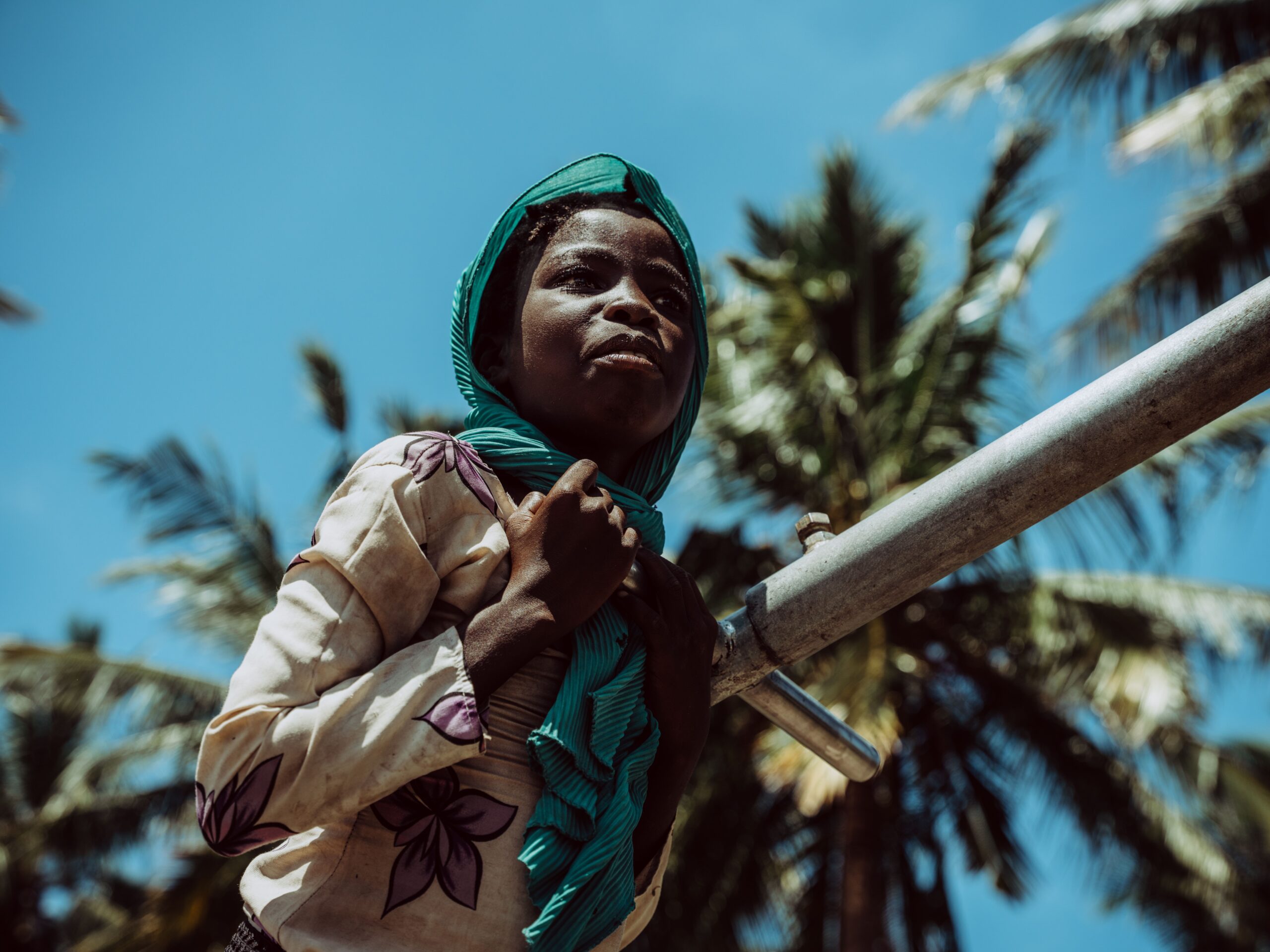
How aid cuts exposed the economic foundations Africa never fully built, and what must rise in their place now.
We all depend on systems more than we like to admit. Food arriving when we need it. Clinics opening when we fall sick. Schools running even when families struggle. These systems feel permanent, until they’re not. They show their true shape when they stop.
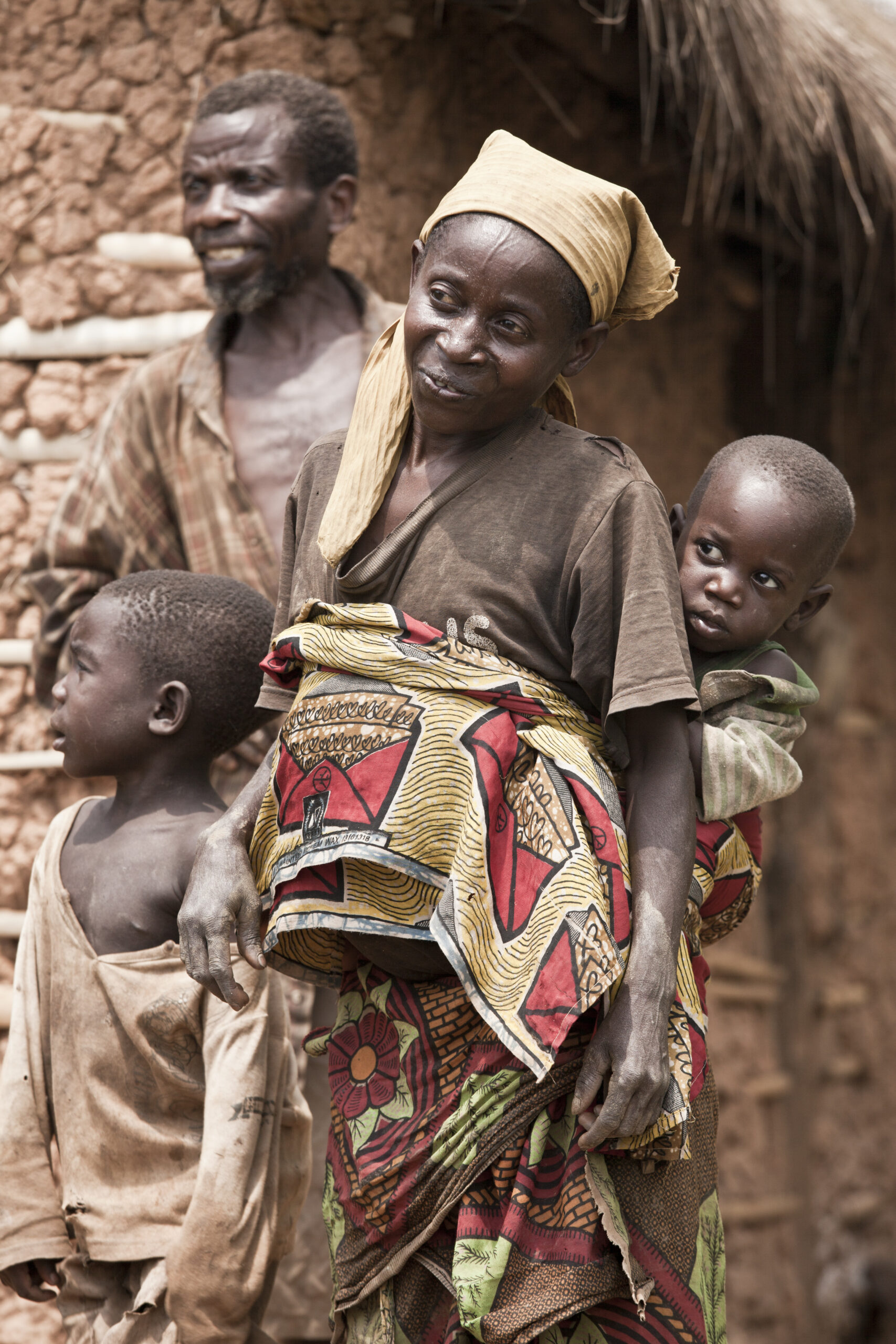
Over the past few years, many of those systems across Africa have slowed, fractured, or disappeared almost overnight as foreign aid budgets have tightened, froze, or were abruptly redirected. Much of the public anger has been aimed at the United States and at Donald Trump, whose funding decisions rippled quickly through humanitarian and development programs. The harm is real. When something people rely on is halted without warning, the effects are immediate. Meals disappear, health services thin out, educational support vanishes. And families feel it first.
But beneath that shock sits a deeper question that is harder to confront. What does long-term dependence really do to an economy? And what has this disruption revealed about foundations that were never fully built in the first place?
Africa was once forced into dependence through colonization and slavery. In modern times, aid became another layer of structural reliance. Not because help was wrong, but because production, industry, and public infrastructure never fully replaced it. What if Africa faces this painful time with eyes wide open? What if this becomes the turning point where the continent begins to stand on systems it controls itself?
Now, with stable aid no longer an option for many organizations, people ask, “What next?” But the real question should be, “What will Africa build from here?” This moment can trigger absolute chaos or it can push real investment into jobs, food production, regional trade, and legal labor access: as systems.
Africa has survived far worse than funding cuts. Colonization, extraction and enslavement and structural poverty. Yet it is still here. This moment, painful as it is, can become a turning point if it is met with courage instead of collapse. Not because harm was right. But because endurance and adaptability have always been Africa’s strength.
Self-reliance begins when help disappears. It takes root when people decide they are done waiting for permission to build.
Across Africa today, development is encouraged and investment is welcomed. Self reliance is everyone’s goal but how can this be achieved without a sufficient base in place?
When foreign funding slowed, the disruption did exposed fragility.
Food support was among the first things to go. In Uganda, more than one million people lost regular food assistance in 2025 following donor shortfalls. In Kenya, food rations for vulnerable groups were reduced by up to sixty percent. In Ethiopia, the suspension of major U.S.-linked humanitarian funding triggered food-ration cuts of roughly forty percent across several nutrition and emergency feeding programs.
Health systems felt the shock next. Clinics dependent on donor-funded nutrition, vaccination, and maternal health programs reported staffing losses and medicine shortages in parts of Ethiopia, South Sudan, and Uganda. Education followed a similar path. Hundreds of foreign-supported education and school-feeding programs across dozens of African countries were canceled as aid budgets tightened.
Food disappeared. Cash assistance vanished. Clinics closed. School meals stopped.
But there were no systems to work as a back-up plan.
No country is obligated to carry Africa’s development burden alone
No donor was meant to permanently bankroll food systems, health care, education, and public welfare across an entire continent. The vulnerability came over time. Aid did not only relieve emergencies: it became woven into daily life. It replaced agricultural investment in some regions. It substituted for wage growth in others. It filled gaps where public health and education systems should have stood.
Aid created a structure that enabled dependency. And when the structure disappeared without a transition plan, what followed was not resilience. It was shock.
Aid saved lives. It also delayed hard construction
None of this erases what aid achieved. Millions are alive because of it. Hunger was reduced. Disease was treated. Children stayed in school. Lives stabilized. But aid is meant to be a bridge. Over time, this bridge quietly became a road.
Dependency continued without production catching up. Manufacturing stayed thin. Agriculture lagged behind potential. Youth labor outpaced job creation. Informal economies grew faster than formal ones.
And so when funding contracted, what was exposed was not only suffering.
It was how much had never been built.
What was actually cut:
In Uganda, the World Food Programme confirmed in 2025 that more than 1 million people lost regular food assistance entirely after donor funding collapsed. Monthly rations for others were reduced to as low as 40 percent of basic nutritional needs.
In Kenya, food assistance for the most vulnerable populations was cut by up to 60 percent, sharply increasing hunger levels in already fragile counties.
In Ethiopia, the suspension of major U.S.-linked humanitarian funding in 2025 led to food-ration reductions of roughly 40 percent across multiple nutrition and emergency feeding programs, affecting hundreds of thousands of householdstied to health, maternal nutrition, and child feeding systems.
These cuts did not stop with food. Education support programs were cancelled across dozens of African countries after foreign-aid budgets were withdrawn. Health facilities dependent on U.S.-supported nutrition and disease-prevention programs reported staff losses, medicine shortages, and service shutdowns in parts of Ethiopia, South Sudan, and Uganda. Clinics closed. School feeding programs stopped. Cash assistance disappeared.
But no parallel job surge followed. Local production was not yet strong enough to absorb the shock.
What this moment actually demands
Now the question is no longer only where help should come from. The question is what Africa chooses to build next.
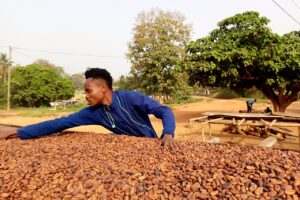
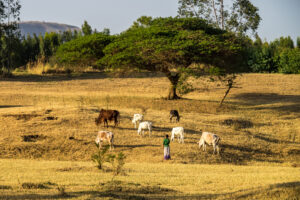
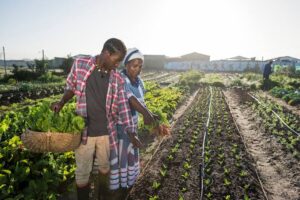
This moment can either deepen hardship or it can redirect it into production. Real rebuilding begins with infrastructure: with food grown at scale instead of imported in bulk. With factories that absorb labor instead of exporting it.
With trade corridors that move goods regionally instead of relief convoys that move aid externally. With public health financed through national budgets instead of emergency grants. All of it is structural and it will take time.
The long view Africa carries quietly
Africa has endured collapses far larger than funding cuts. Colonization. Extraction. Forced labor. Structural poverty. Debt cycles. Conflict. Yet societies persisted. Markets adapted, families reorganized and trade routes shifted.
Africans survived. And now Africa is the fastest growing continent in the world. The continent’s real strength has always been endurance and adaptability.

There are no assurances or guarantees to what comes next.
Self-reliance does not suddenly come when help disappears. The first stage is chaos and pressure. Next, follows as improvisation. And finally, if guided well, as structure.
Self-reliance can begin when help disappears. It takes root when people decide they are done waiting for permission to build. There are no assurances or guarantees to what comes next. History shows that systems typically fail before new ones take their place. The danger is staying suspended between the two.
Dependency without design created this exposure. Design without dependency will decide what follows.
SOURCES & DATA REFERENCES
OECD. “Cuts in Official Development Assistance.” June 26, 2025. OECD
World Food Programme. “WFP cuts refugees’ food rations in Uganda as funding declines.” Dec. 22, 2020. wfp.org
World Food Programme. “WFP at a Glance – 2025 Hunger Crisis.” Nov. 20, 2025. wfp.org
World Food Programme. “New FAO-WFP report warns shrinking window to prevent millions facing acute food insecurity.” Nov. 12, 2025. wfp.org
The Guardian. “‘The impact has been devastating’: how USAID freeze sent shockwaves through Ethiopia.” Feb. 21, 2025. The Guardian
ReliefWeb. “Humanitarian aid: the most vulnerable already severely impacted by budget cuts.” Sep. 1, 2025. unric.org
Reuters. “Global hunger crisis deepens as major nations skimp on aid.” Dec. 24, 2024. Reuters
WFP / Global data. “Food security and nutrition report 2025 (SOFI 2025).” Jul. 28, 2025.