






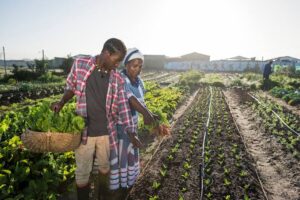


Startups only Africans can build
Walk through any market in Accra, Freetown, Makeni, or Kumasi and you will see the real economy as it is. Heat rising off the pavement. Traders calling out prices. A line of plastic cans waiting at a water point. Lorries inching through traffic while sellers argue over a few cedis of fuel. Youth moving from stall to stall hoping to find work that pays. None of this is theory. It is the pressure people wake up to every day.
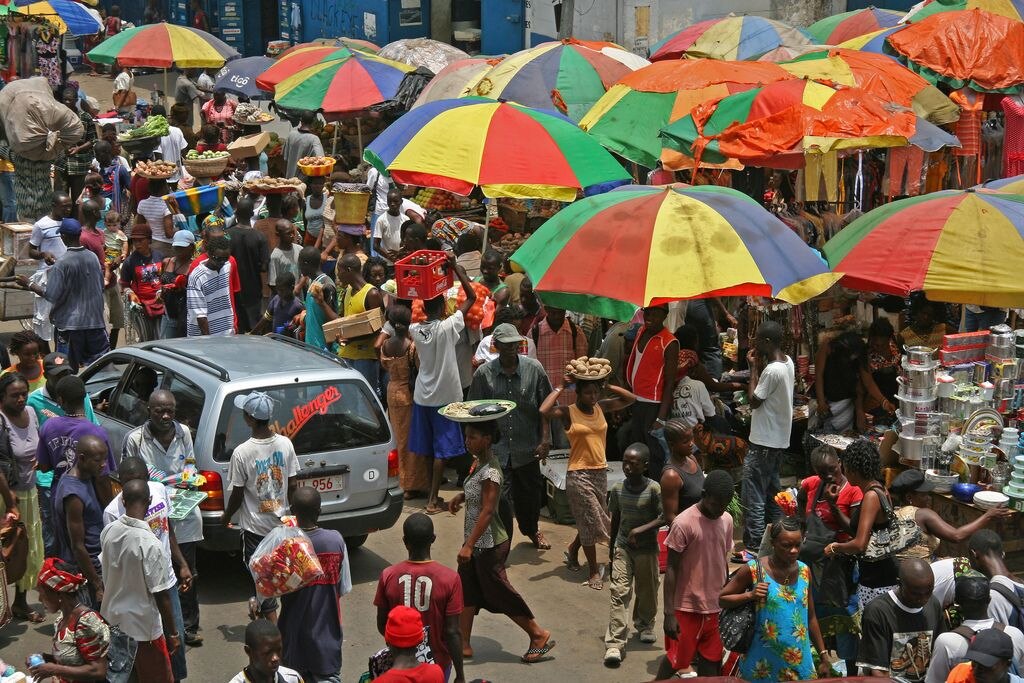
Photo: Freetown market, Sierra Leone John Sesay07, CC BY-SA 4.0 https://creativecommons.org/licenses/by-sa/4.0, via Wikimedia Commons
Inside these same pressures sits a quiet truth. Some of the strongest business ideas in West Africa were born from these routines. They are small, practical ideas pulled from lived experience, not textbooks. Outsiders who visit for a week rarely see them. They cannot copy what they do not understand. These ideas work because Africans built them for their own communities and for problems they have carried for years.
But nothing comes easy. Every idea needs careful research, steady costing, and a clear look at demand before anyone risks their savings. A good concept can grow fast, but only when a founder tests it properly and understands how their own market behaves from week to week.
A market outsiders struggle to read
About seven out of ten workers in West Africa earn their income through informal trade, according to the World Bank. Prices rise and fall fast. Transport days are long. Food spoils before it reaches the city. Water is not always clean. Yet this same environment drives new ideas and low-cost inventions that are built at ground level.
Africa’s youth population keeps rising. More than half of Africans will be under 25 by 2050, the United Nations says. This is not just a statistic. It means ambition, pressure, movement, and demand for work. Many young people cannot wait for government jobs. They build their own.

Below are ten business ideas that grow naturally from the region’s challenges. They are built from problems that people face daily. They are businesses that make sense here because the need is real.
1. Turning waste into cooking fuel
Cities fill with organic waste. Young builders are pressing this waste into charcoal briquettes. It burns longer than wood and cuts pressure on forests. It is already working in Kenya and Rwanda. The same demand exists in Ghana where charcoal prices keep climbing.
BrightGreen Renewable Energy in Kenya shows how quickly this can scale. The company was founded by young engineers who turn sugarcane bagasse and rice husks into clean-burning briquettes sold under the MOTO brand. Their product is up to half the price of firewood and standard charcoal, and by 2019 the business had already moved into profit. Rwanda’s feasibility studies show similar results with margins above forty percent. These models prove the idea is commercially viable in any city where organic waste piles up and charcoal prices keep pushing families to the limit.
2. Cassava-based packaging
Cassava grows in nearly every village. Scientists have shown it can be used to make simple bioplastics. This is not a luxury idea. It solves two local issues. Less plastic waste and more value for farmers.
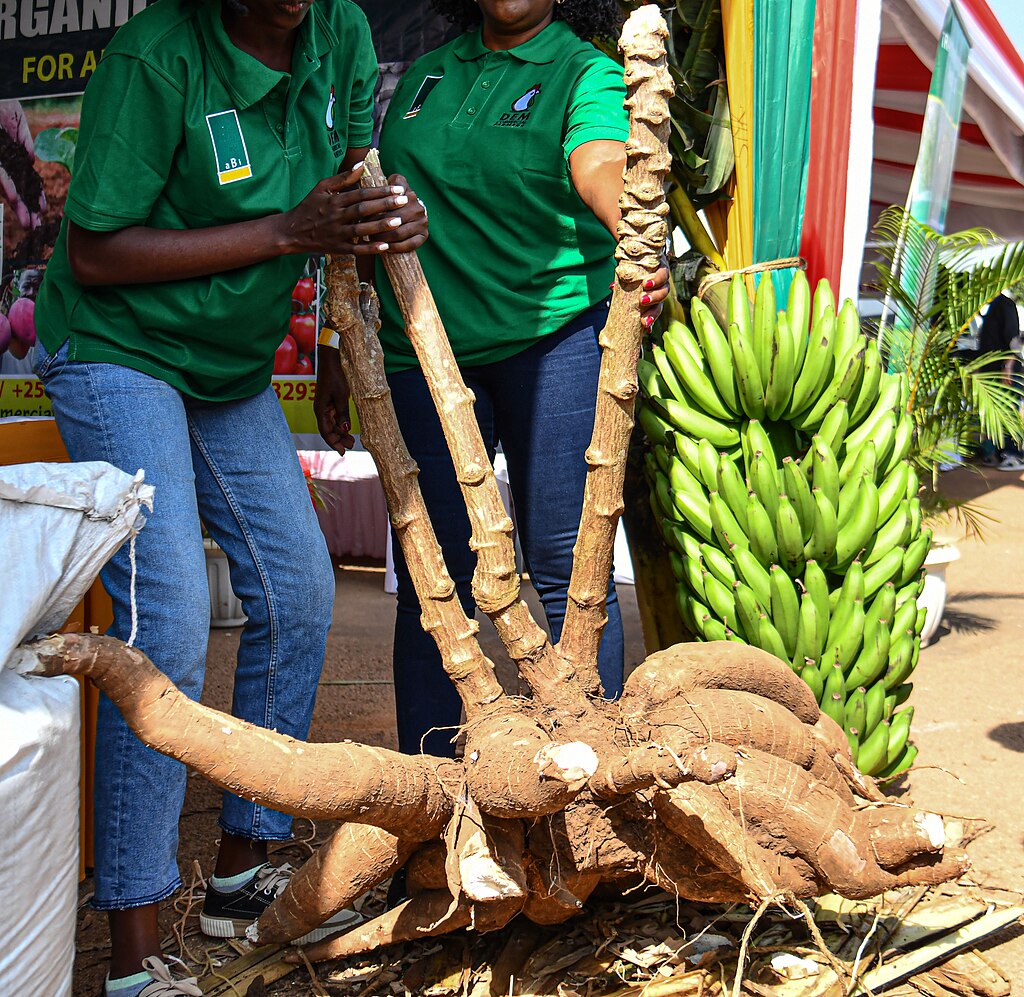
Photo: Ssemmanda will, CC BY-SA 4.0 https://creativecommons.org/licenses/by-sa/4.0, via Wikimedia Commons
3. Cold transport on motorbikes
Fresh fish and vegetables spoil fast in the heat. Small insulated boxes on motorcycles cut waste and deliver food at the right temperature. Coastal towns in Ghana and Sierra Leone are well suited for this. It does not need big trucks or big loans.
4. Water testing and micro-filtration
Many families trust sachet water but still worry about safety. Low-cost field kits can test water in minutes. Some young entrepreneurs pair testing with small filters they sell in communities. Schools and clinics are steady customers.
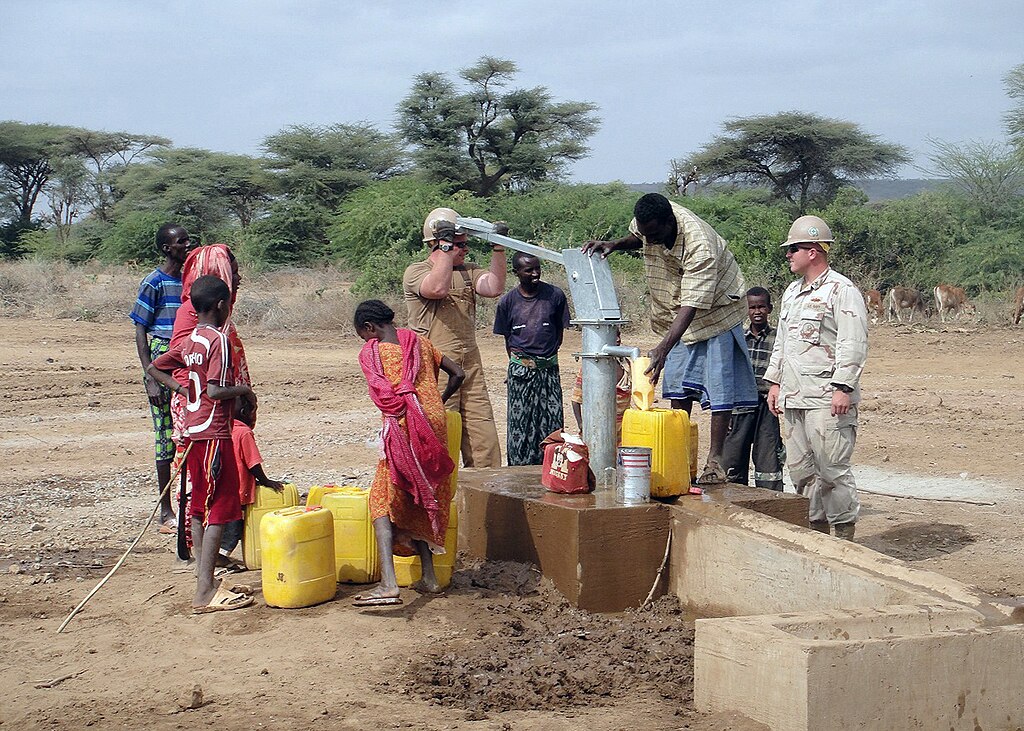
Photo: Horn of Africa water testing, left, Public domain, via Wikimedia Commons
5. Solar charging points
Power is not reliable. A simple solar kiosk can charge phones, run a fan, or cool drinks. Some kiosks in East Africa already make a steady income. West Africa has the same need, especially in rural areas.
6. Local language learning tools
Twi, Krio, Ga, Ewe, Yoruba, Hausa. Millions speak them, yet global apps offer very little. Parents want cheap learning tools. Teachers want better resources. A small team with a microphone and basic software can build something that spreads fast.

7. Microgreens for hotels and cafes
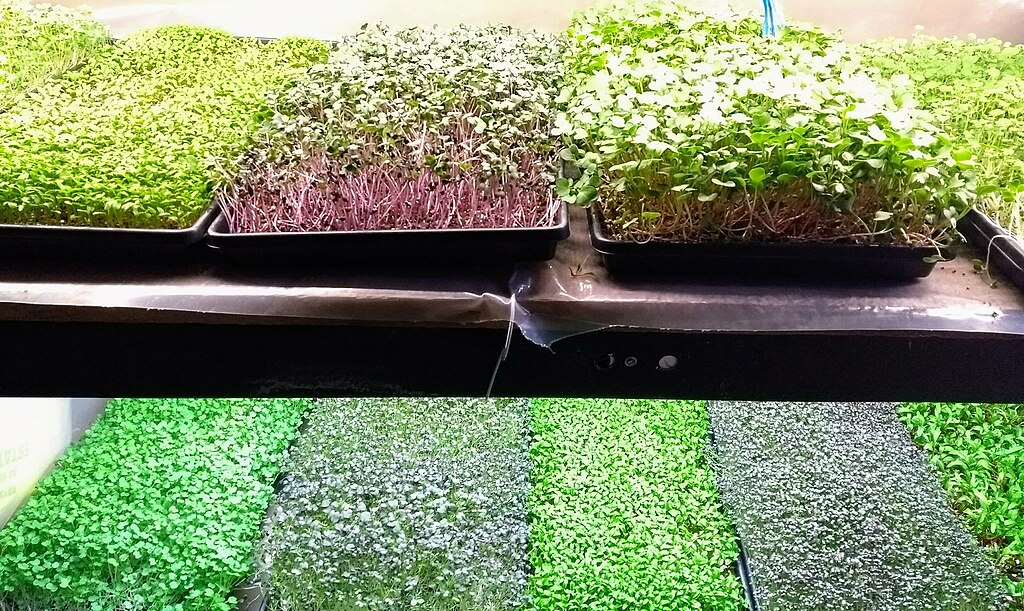
Photo: Idéalités, CC BY-SA 4.0 https://creativecommons.org/licenses/by-sa/4.0, via Wikimedia Commons
High-end restaurants in Accra and Lagos still import specialty greens. Yet microgreens grow in trays and need little space. A small corner of a room can supply a steady weekly order. This idea already works in Nairobi. West Africa has the same market.
8. Connecting villages to cities
Farmers lose money because they cannot reach buyers. A simple system that links rural transporters to city traders can cut waste. Today many traders rely on WhatsApp groups. A more organized version can grow fast without heavy investment.
9. Gari and millet snack lines
Gari, millet, cassava, and sorghum are everyday foods. When packaged properly, they become snacks that appeal to both locals and the diaspora. Nigerian and Ghanaian brands have begun this shift. Demand is strong in overseas African shops.
10. Market price tracking
Food moves through informal markets where prices change by the hour. Traders often work with old information. A basic daily data service can help farmers, restaurants, and shoppers. The World Bank notes that poor price information is a major reason traders lose money.
Why outsiders miss these openings
Foreign investors often look for large platforms and clean data. They struggle to understand a market built on trust, language, and relationships. In West Africa, a phone call can be more powerful than software. A founder who knows the local culture has an advantage that money cannot replace.
How youth can start small
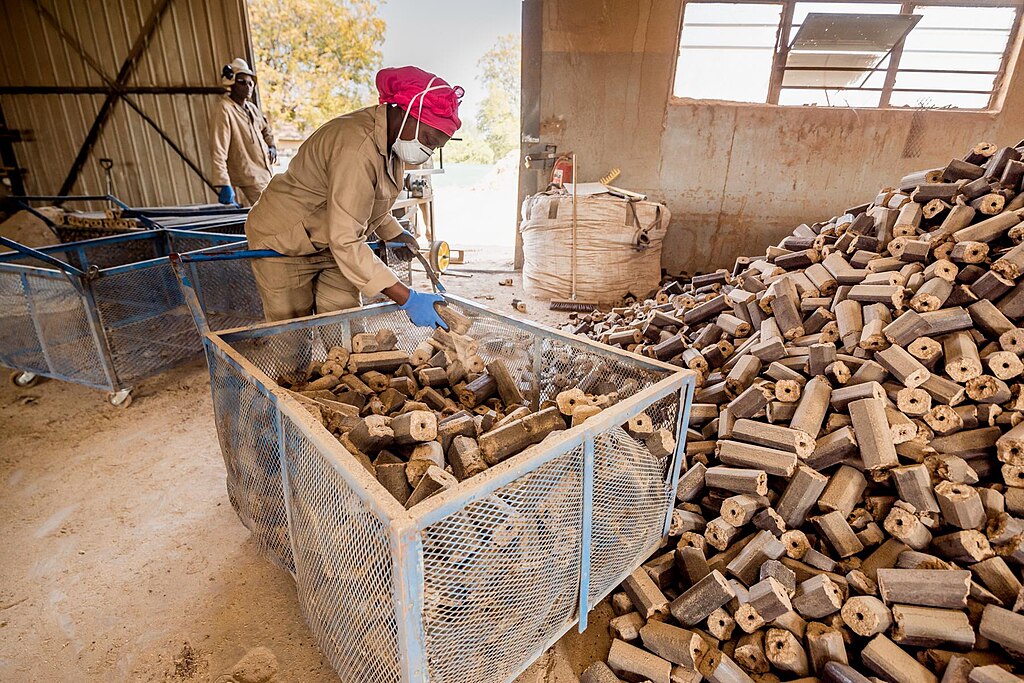
Photo: Workers in a factory for woody biomass briquettes marketed regionally as sustainable fuel (heating, barbecuing) Tim Brunauer on behalf of Deutsche Gesellschaft für Internationale Zusammenarbeit (GIZ), CC BY-SA 4.0 https://creativecommons.org/licenses/by-sa/4.0, via Wikimedia Commons
Most of these ideas do not need large capital. Briquettes need simple molds. Microgreens need trays and seeds. Language apps can begin with recorded lessons. Water testers can work with local teachers. Logistics networks can start on a phone. Many young people already work like this. They start small and expand only when the idea proves itself.
Africa’s strongest ideas do not begin in offices. They begin in places where daily life forces people to solve problems quickly. These are the businesses that last because they came from experience, not theory.
This is the kind of entrepreneurship the world cannot copy. It has to be built here.
Sources
- UN youth population projections
https://www.un.org/en/global-issues/young-people - World Bank on informal employment
https://www.worldbank.org/en/topic/jobsanddevelopment/brief/informal-economy - FAO cassava data
https://www.fao.org/faostat/en/#data/QCL - UNEP on charcoal and deforestation
https://www.unep.org/news-and-stories/story/charcoal-threatens-africas-forests - GSMA mobile access in Africa
https://www.gsma.com/r/wp-content/uploads/2024/03/The-Mobile-Economy-Sub-Saharan-Africa-2023.pdf - WHO and UNICEF water safety reports
https://washdata.org/ - World Bank on food price information challenges
https://documents.worldbank.org/en/publication/documents-reports/documentdetail/487611617564702801/africa-regional-overview-of-food-security-and-nutrition-2021 - “Nelly Murungi, ‘Kenyan company provides an alternative to firewood using agricultural waste’, MIT D-Lab News & Blog (Sept 16 2020).” https://d-lab.mit.edu/news-blog/news/kenyan-company-provides-alternative-firewood-using-agricultural-waste